Article re-cap
- Cockroaches move indoors to seek warmth in kitchens and bathrooms when temperatures drop during the colder months.
- The coastal humidity and mild climate of the West Coast create ideal breeding grounds for various pests.
- Termites thrive in the moisture found in the coastal climate, often causing hidden damage to wood and foundations.
- To prevent rodents from entering your attic, you should trim back trees and bushes so they do not touch your roof.
- All entry points larger than 6mm should be sealed tightly to prevent pests from entering your home.
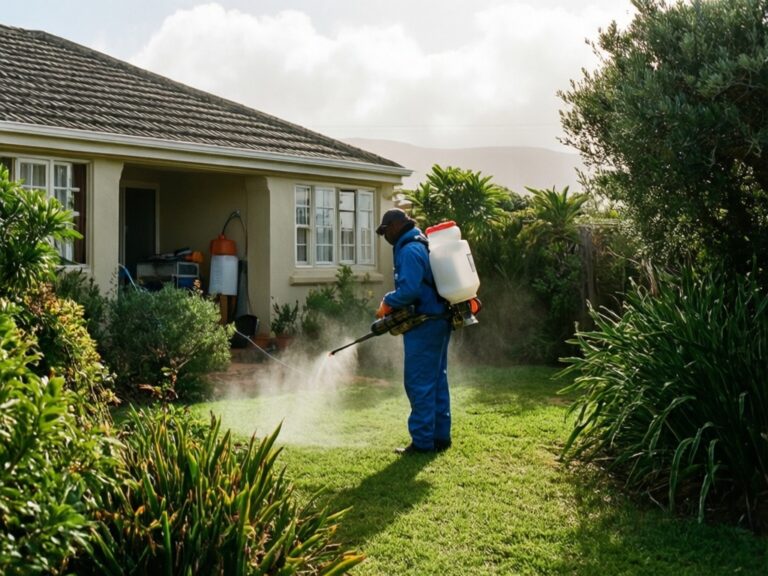
When the South-Easter howls through Bloubergstrand and the coastal humidity settles in, pests do not merely visit but settle in. On the West Coast, mild winters and warm summers create conditions where managing a home requires watching the seasons, not just cleaning.
Why the West Coast climate brings pests indoors
The weather here does not just change the light; it changes what moves through our homes. Cape Town's unique climate, defined by mild winters, warm summers, and that heavy coastal humidity, creates an ideal breeding ground for various pests .
When the temperature drops in the colder months, the cockroaches begin to seek the warmth of your kitchens and bathrooms, moving indoors to escape the chill . They find refuge in the heat of our pipes and the dark corners of our pantries. As the summer sun settles over Table View or Sea Point, you will see a different shift as ants and mosquitoes become much more active in the gardens and around the eaves .
The dampness of our coast also holds its own particular risks. The coastal climate is particularly kind to termites, which can cause damage that is both deep and expensive to repair . It is a quiet work they do, hidden away in the wood and the foundations, thriving where the moisture lingers.
How to seal entry points and manage the perimeter
Prevention is about closing the gaps before the season changes. You must look at every entry point larger than 6mm and seal it tight . This means checking the seals on windows and doors in places like Sea Point or Camps Bay, where the salt air can wear down even good rubber.
It also means managing what sits around your home. Trimming back trees and bushes so they do not touch your roof prevents rodents from finding a bridge into your attic . Even your firewood needs a place; keep it at least six metres away from the house, elevated on a rack to keep the moisture and the critters at bay .
What to control inside the home
Inside the house, the work is about a certain kind of discipline. Food must stay in sealed containers to ensure nothing is left tempting a wandering visitor . It is often the small things we overlook that invite trouble into our kitchens.
Even your recycling area requires careful management. Keeping beer bottles and food scraps away from the kitchen can stop American cockroaches from finding a feast in your waste . If you leave these remnants in an open bin near where you prepare meals, you are essentially setting a table for them.
Water sources must also be dealt with. You must eliminate any place where water might sit stagnant so that nothing has the chance to breed .
When to call a professional pest control service
There is a balance to be struck between doing it yourself and calling for help. For routine maintenance, having a professional service visit once or twice a year can catch things you might miss in the heat of summer . It is often easier to manage the small things ourselves, but some problems require a deeper look that only trained eyes can provide.
However, when choosing a provider, you must ensure they are legitimate. Any person providing pest control for business or reward must be a registered Pest Control Operator under Act 36 of 1947 . You can learn more about the right way to do this in our guide on How to choose a pest control service in Cape Town. The difficulty is often finding someone who understands the specific coastal pressures of areas like Milnerton or Sandown, rather than just applying a general spray.
Pest pressure in Cape Town shifts with every season, from cockroaches moving indoors in winter to ants and mosquitoes surging in summer. Keeping to a seasonal rhythm of sealing entry points, managing the perimeter, and scheduling a professional inspection once or twice a year gives Cape Town homeowners the best chance of staying ahead of the problem.
Frequently asked questions
How does the West Coast climate affect pest activity?
The Cape Town climate, characterized by mild winters, warm summers, and heavy coastal humidity, creates ideal breeding grounds for pests. For example, cockroaches seek warmth indoors during cold months, while ants and mosquitoes become more active in gardens during the summer heat.
What are the best ways to prevent pests from entering my home?
You should seal any entry points larger than 6mm and check window and door seals, which can be worn down by salt air. Additionally, keep firewood at least 20 feet away from your house on an elevated rack and trim back vegetation touching your roof.
How can I manage food and waste to avoid attracting cockroaches?
To prevent American cockroaches, keep all food in sealed containers and manage recycling carefully. Ensure beer bottles and food scraps are kept away from the kitchen, as leaving these remnants in open bins near meal preparation areas can attract pests.
How do I know if a pest control provider is legitimate in Cape Town?
Any person providing pest control for business or reward must be a registered Pest Control Operator under Act 36 of 1947. It is important to find a professional who understands the specific coastal pressures found in areas like Milnerton or Sandown.
Source: pestmanagers.co.za, hygieneandbugs.co.za, verm-tech.co.za, solidpestmanagement.co.za, rentokil.co.za, nda.agric.za, dgosa.org.za