Article re-cap
- A monthly oiling of all exposed metal parts is the most effective way to create a barrier against oxidation and extend hardware life.
- Metal toolboxes are preferable to plastic versions because they do not sweat condensation in humid garages.
- To prevent permanent capacity loss, lithium ion batteries should be brought inside if garage temperatures drop below 10 degrees Celsius.
- Using desiccants to keep relative humidity levels below 40 percent inside toolkits helps prevent internal rot and corrosion.
You pull your drill from the garage drawer to hang a picture frame and find orange rust crusting the metal bit. On the West Coast, salt air reclaims hardware before your first project ends. Here's how to build a toolkit that survives the coast.
What to buy versus what to hire
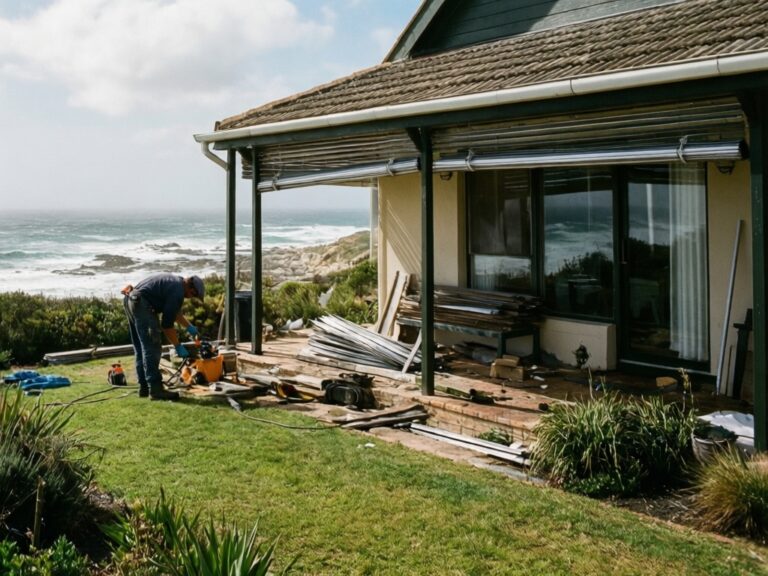
Managing a toolkit on the West Coast requires a split strategy between buying and hiring. You should not attempt to own every specialised machine that comes your way because the capital investment is too high and the maintenance burden in a coastal environment is too heavy. Instead, build a foundation of high-frequency hand tools like hammers, screwdrivers, and pliers. The caulk gun is non-negotiable for maintaining watertight seals around windows and doors to prevent moisture ingress.
For power, your first purchase should be a versatile cordless drill. Beyond these basics, use tool hire for heavy-duty or infrequent tasks like a circular saw or specialised masonry equipment. Tool hire in South Africa provides you with the specialised tools you need, for as long as you need them, without the same capital investment required to purchase outright. This keeps your garage from becoming a graveyard of expensive, rusting machinery.
When hiring is genuinely better than buying
There are clear situations where owning a tool makes no sense in a coastal setting. If you are unlikely to use a piece of equipment more than once or twice a year, the cost of purchase combined with the maintenance burden of keeping it corrosion-free will almost always exceed the hire fee. Specialised items such as angle grinders, tile cutters, and masonry drills fall into this category for most homeowners.
The calculation shifts further toward hiring when the tool in question is large, difficult to store, and vulnerable to salt air. A machine left idle in a humid garage for months between uses will accumulate surface rust and may fail precisely when you need it. Hiring on demand transfers that storage and maintenance responsibility to the hire company, and you receive a serviced, ready-to-use item each time.
As a practical rule: if you cannot justify using a tool at least once a month over the coming year, hire it rather than buy it. Reserve ownership for the core hand tools and your cordless drill, which earn their keep on a weekly basis.
A practical starter checklist
If you are assembling your first coastal toolkit from scratch, the following core items cover the majority of everyday home maintenance tasks:
- Claw hammer
- Set of flathead and Phillips screwdrivers in multiple sizes
- Combination pliers and needle-nose pliers
- Adjustable spanner
- Tape measure (at least five metres)
- Spirit level
- Utility knife with spare blades
- Caulk gun with marine-grade silicone cartridges
- Cordless drill with a basic bit set
- Metal toolbox with a tight-fitting lid
- Desiccant sachets for storage
This list keeps the entry cost manageable while covering the hand-tool and power-tool needs that arise most often for homeowners in suburbs like Bloubergstrand, Table View, Parklands, and Sunset Beach. Add to it progressively as specific projects demand, and hire anything beyond this foundation rather than stockpiling tools that will sit idle in salty air.
Where to source tools locally and what to prioritise
Prioritising durability and storage
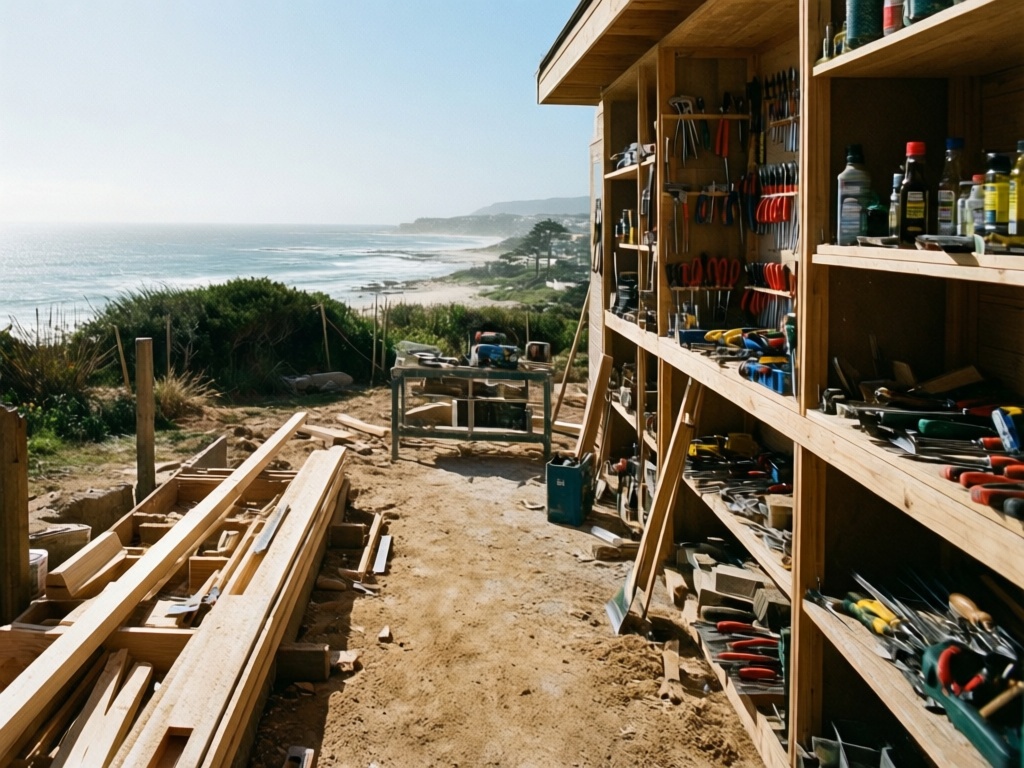
When you decide to buy, focus on long-term durability and the environment where your gear will sit. Opt for metal toolboxes over plastic versions whenever possible, because metal does not sweat condensation in humid garages. A solid box with a tight lid keeps dust out, but it is not enough on its own if the air inside is already damp.
You must actively manage the microclimate within your storage containers to prevent internal rot. Use desiccants to absorb ambient moisture and keep relative humidity levels below 40% inside your kits. This small step prevents the very corrosion you are trying to avoid.
The corridor running from Plattekloof through Durbanville to Parklands has a good spread of local hardware and power suppliers to choose from. Rather than relying on a single outlet, compare what is available across the directory. Brights Hardware in Plattekloof is a well-stocked general hardware option. The Rusty Hinge in Durbanville serves the hardware needs of residents across the northern suburbs. Apex Tool and Hardware in Plattekloof carries brands including Makita, Hikoki, Bosch, and DeWalt. Assos Power in Durbanville covers power equipment requirements. For plumbing-adjacent supplies, Plumblink Parklands and Sunningdale Sanitary and Plumbing Supplies round out the field. Buying quality from local suppliers reduces the frequency of replacements caused by salt-induced failure, and spreading your sourcing across several outlets gives you better access to stock and competitive pricing.
Why monthly maintenance prevents corrosion
Preventing degradation in the workshop
Neglecting your metal surfaces allows salt air to settle into every microscopic pit and scratch on your drill bits and pliers. A monthly oil-down of all exposed metal parts is the single most effective way to create a barrier against oxidation, extending the life of your hardware from five years to twenty. This routine should not be treated as an optional task for when you have spare time, but as a fixed part of your workshop management.
Temperature fluctuations also demand specific care for your cordless equipment. If your garage temperature drops below 10 degrees Celsius overnight, you must bring your lithium-ion batteries inside to avoid permanent capacity loss. When storing them, aim for roughly a 50% charge level, as keeping them neither completely flat nor fully topped up is the safest way to maintain battery health.
If you are currently navigating the complexities of setting up your new property, ensure you have consulted our Guide to buying building supplies on the West Coast to avoid common procurement errors. Once your basic kit is secured and your storage routine is set, you can move on to more complex maintenance tasks like waterproofing or flooring installation. A monthly oiling of all metal surfaces is the single biggest way to stop salt air from destroying your investment.
For the full picture, read Guide to buying building supplies on the West Coast.
Frequently asked questions
How can I prevent tools from rusting in the West Coast salt air?
The most effective method is a monthly oil down of all exposed metal parts to create a barrier against oxidation. Additionally, you should use desiccants inside your toolboxes to keep relative humidity levels below 40 percent, which prevents moisture from settling on your hardware.
Should I buy or hire power tools for my home in Bloubergstrand?
You should build a foundation of high frequency hand tools like hammers and screwdrivers, but use tool hire for heavy duty or infrequent tasks. This strategy avoids the high capital investment and the heavy maintenance burden that specialized machinery faces in a coastal environment.
Where can I buy quality hardware and power tools near Table View?
For those living in the West Coast area, Apex Tool and Hardware in Plattekloof carries brands like Bosch and DeWalt. Additionally, Assos Power in Durbanville is a reliable local source for power needs, offering quality brands that can better handle the coastal workload.
How should I store lithium ion batteries in a garage?
If your garage temperature drops below 10 degrees Celsius overnight, you must bring your batteries inside to avoid permanent capacity loss. For long term health, aim to store them at roughly a 50 percent charge level, rather than keeping them completely flat or fully topped up.
Source: painthardwarehyper.co.za, ahm.co.za, immoafrica.net, blog.builders.co.za, sta-dri.com, coastalhire.co.za