Article re-cap
- Indigenous fynbos plants are adapted to the Cape's nutrient-poor soils, winter rainfall, and dry summers, making them naturally low-maintenance and waterwise.
- The best planting windows are autumn (March to May) or spring (September to November), with some gardeners preferring the early winter rainy season from May or June.
- After planting, water every second day for the first two weeks, then twice a week for approximately three months to allow roots to establish.
- Never use chemical fertilisers containing phosphorus on fynbos; choose a slow-release organic fertiliser instead.
- Plan the structural bones of the garden first: remove or prune shading trees before introducing smaller indigenous species.
The morning sun over Table View in late January settles a dry heat on unprepared leaves. Your garden feels brittle or demands constant expensive water. But the Cape's rhythm relies on winter rains, not summer care-and indigenous plants have evolved for exactly this.
Why indigenous plants matter in the Cape
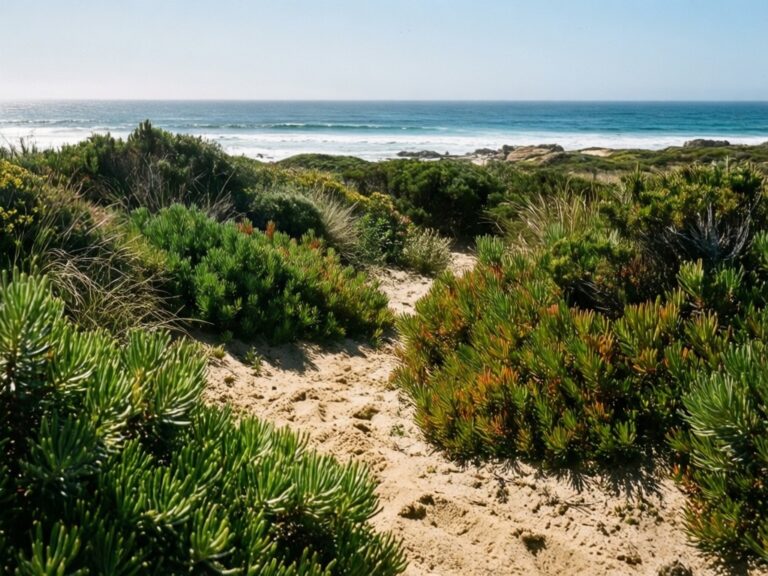
The strength of a garden lies in its ability to endure what we cannot change. Our local landscape is defined by nutrient-poor soils and summers that arrive with a parching heat, yet the species belonging to the Cape Floristic Region have spent millennia learning how to thrive under these exact pressures . When you select plants like Proteas, Leucospermums, Erica, or Buchu, you are choosing life forms that are already accustomed to our winter rainfall patterns and the dry, sandy stretches of the West Coast {{cite:3, 4}}.
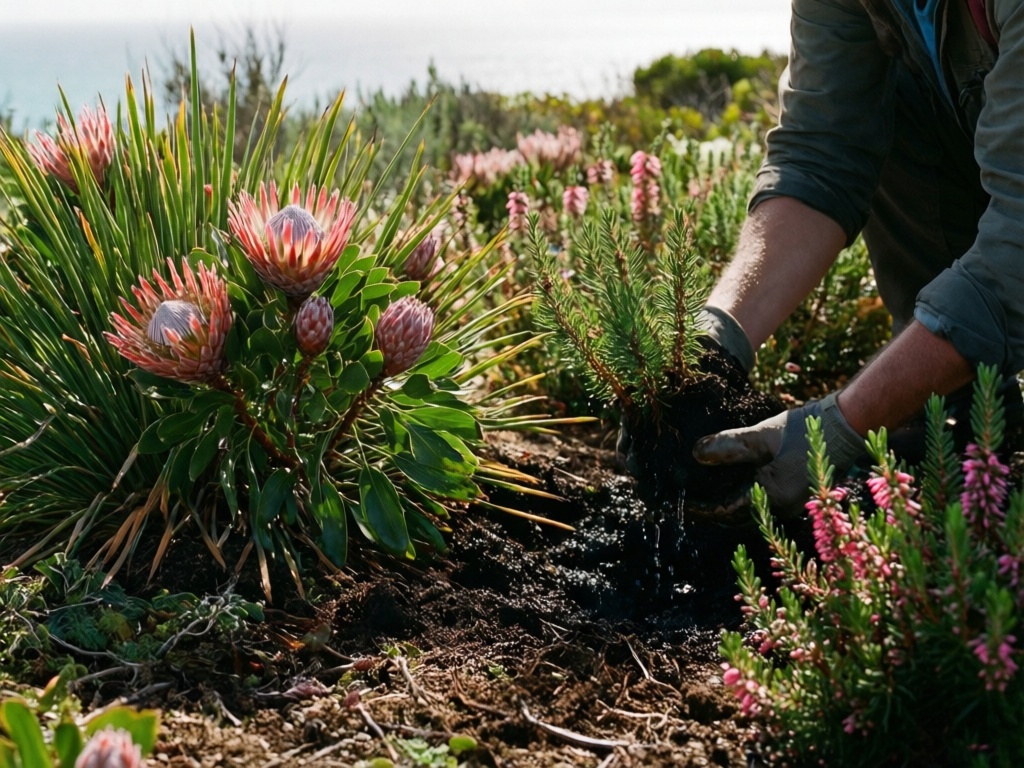
There is a particular beauty in the architectural presence of a Protea or the vibrant, structural bursts of colour found in Pincushions, which can transform a simple garden bed into something much more profound . For those working with smaller spaces or containers, the finer textures of Erica and Buchu offer a way to bring that same resilience into a more intimate setting . These plants do not fight the environment; they settle into it, requiring far less intervention once they have found their footing in our unique soil.
When is the best time to plant?
Success in this kind of gardening depends largely on the timing of your hands in the earth. The most forgiving windows for planting are during the autumn months from March to May, or perhaps in the spring between September and November . Some even prefer to wait for the true rainy season to take hold, starting in the early winter months of May or June .
If you plant too late in a dry spell, or fail to establish a proper watering routine, the plants may never truly settle. Full guidance on watering schedules and feeding is covered in the dedicated section below.
How do you water and feed new plants?
Establishing a new plant in our soil requires a steady hand and a watchful eye during those first critical weeks. For the first fourteen days after they are placed in the ground, provide water every second day to help them settle into their new home . Once that initial period has passed, the routine shifts to watering twice a week for about three months to ensure the roots have found enough depth and stability .
It is equally important to be mindful of what you put into the soil alongside the water. Avoid standard chemical fertilisers, as many common blends contain phosphorus which can be quite damaging to the delicate chemistry that fynbos requires . A slow-release organic fertiliser is a much gentler way to provide nourishment without causing such harm to the plant's natural balance .
How do you plan the garden structure?
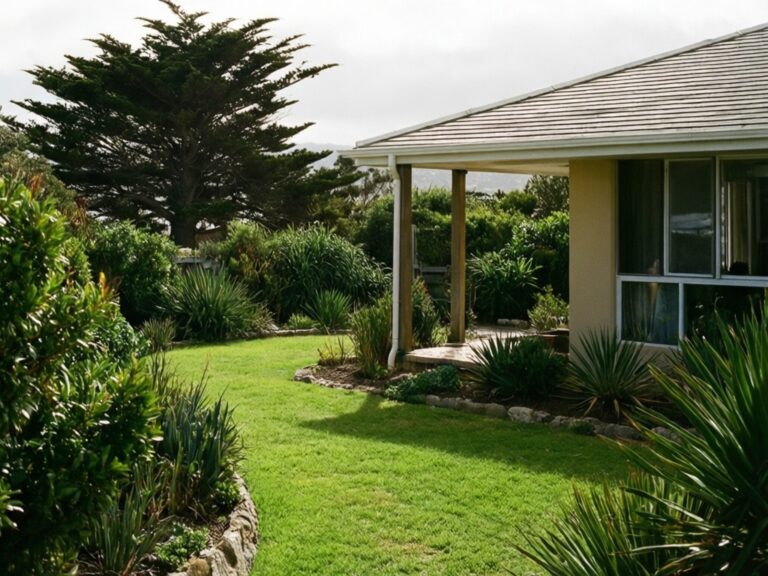
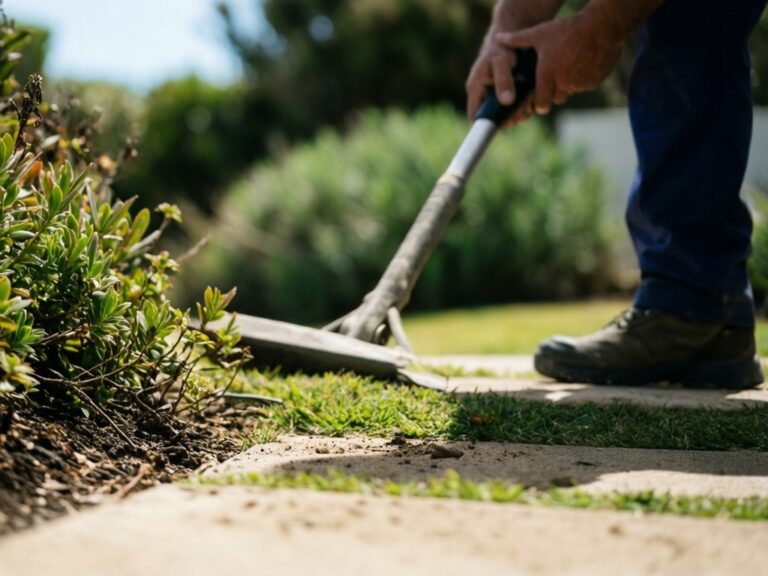
A garden needs a skeleton to hold it together when the winds pick up off the Atlantic. Gardeners often focus so much on the new blooms that they forget the structural bones of the space. Larger trees that cast deep shade may need to be pruned or removed by a qualified arborist or tree-felling contractor to allow light to reach the smaller species below. It is a delicate balance between the architectural strength of a Protea and the fine texture of an Erica.
If you are starting from a blank slate, working with a professional landscaper can help you structure the space correctly from the start. Sourcing stock from a specialist indigenous nursery that grows plants from local genetic material ensures your selections are truly adapted to our coast. There is a quiet difference in how a plant settles when it comes from nursery stock grown specifically for our lowland conditions. Among the options available in the area, DC TREE FELLING provides tree-felling and removal services, BEST Landscaping can assist with initial garden layout, and Starke Ayres Home & Garden Centre in Sunningdale is a locally based option for sourcing plant stock suited to the West Coast.
What does a mature waterwise garden feel like?
As the seasons shift and the autumn rains begin to soften the soil, the garden begins to breathe differently. The plants enter their active growth phase, moving away from their summer dormancy into a period of renewal . There is a subtle change in the air when the heat finally breaks, and the landscape seems to settle into a more purposeful rhythm.
A single Leucospermum bloom against a grey, rainy sky holds all the colour the landscape had been missing.
For the full picture, read How to plan a low water garden for the Cape Town West Coast.
Frequently asked questions
Why do indigenous plants matter in the Cape?
Plants from the Cape Floristic Region have evolved to thrive in nutrient-poor soils, winter rainfall conditions, and dry summers. Choosing species such as Proteas, Leucospermums, Erica, and Buchu means selecting plants already adapted to the West Coast environment, which reduces the need for watering, fertilising, and other ongoing maintenance.
When is the best time to plant a waterwise garden in Cape Town?
The most forgiving planting windows are autumn, from March to May, or spring, between September and November. Some gardeners prefer to wait for the rainy season to establish itself, starting in early winter from May or June.
How do you water and feed new indigenous plants?
Water new plants every second day for the first two weeks after planting, then reduce to twice a week for about three months. Avoid chemical fertilisers that contain phosphorus, as these can damage fynbos. Use a slow-release organic fertiliser instead.
How do you plan the structure of a waterwise garden?
Start with the structural bones of the space. Trees that cast heavy shade may need to be pruned or removed by a qualified arborist or tree-felling contractor before smaller indigenous plants are introduced. A professional landscaper can help with initial layout, and a specialist indigenous nursery is the best source for locally adapted plant stock.
What does a mature waterwise garden feel like as the seasons change?
As the autumn rains arrive, fynbos plants move out of their summer dormancy and enter an active growth phase. The garden renews itself with little intervention, and flowering species such as Leucospermum bring vivid colour back to the landscape.
Source: ferndalenurseries.co.za, wandercapetown.com, capegardencentre.co.za, stodels.com, botanicalsociety.org.za