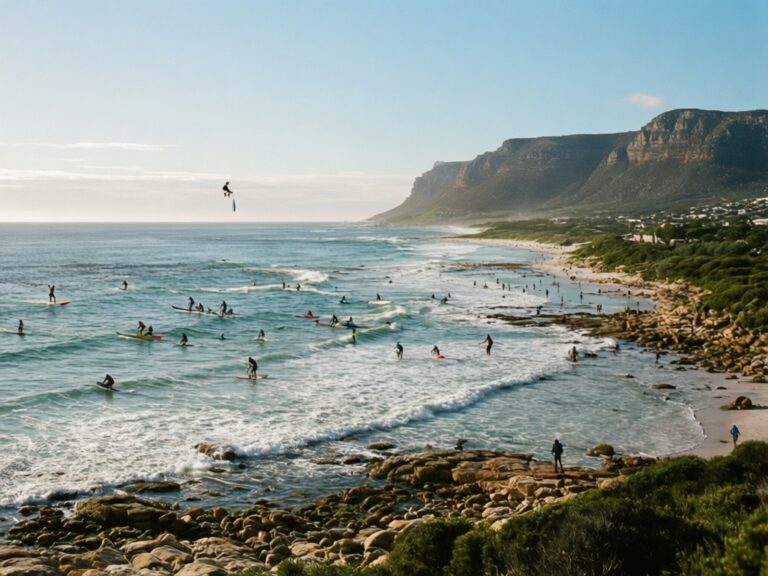
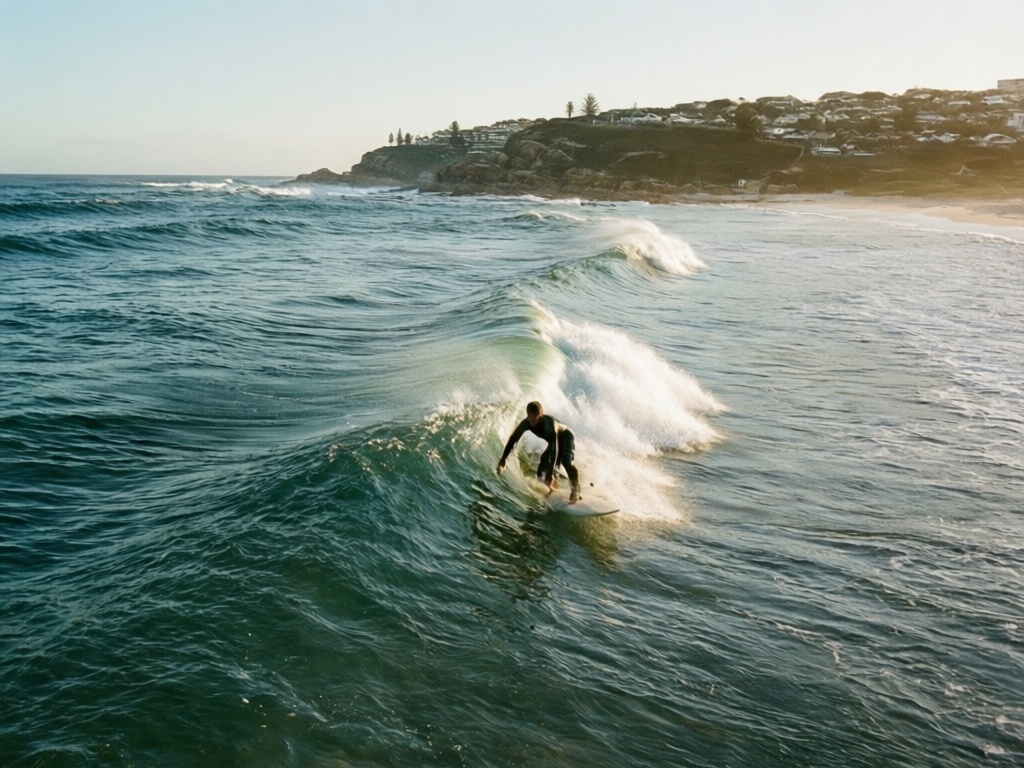
Whether you want to learn to surf, kitesurf, or paddle, this guide helps you navigate the Atlantic waters from Blouberg to Table View. Learn how to find local instructors, understand seasonal conditions, and prepare for the unique elements of our coastline.
Which ocean sports can you learn on the West Coast?
The Atlantic coast offers a rugged playground for those ready to face the swell and the wind. Learning to surf here requires respect for the cold water and the strength of the incoming sets. It is a discipline of timing, reading the breaks, and finding your rhythm amidst the white water.
For those who prefer the power of the wind, kitesurfing and windsurfing are staples of our local shores. These sports demand an understanding of the seasonal South Easter and the way the wind interacts with the coastline. You will need to learn how to read the gusts and manage your gear as the conditions shift throughout the day.
Wing foiling is a newer addition to our waters, blending elements of various disciplines into one fluid motion. It requires a steady hand and a focus on balance as you lift above the surface on the foil. Preparation is key here, especially when learning to navigate the chop that often defines the West Coast.
If you seek something more tranquil, stand up paddleboarding provides a way to move across the water when the wind dies down. It is an excellent way to build core strength and observe the coastal landscape from a different perspective. On calmer days, bodyboarding offers a simpler, direct connection to the energy of each wave.
No matter which discipline you choose, the goal is movement and mastery of the elements. Every sport listed here relies on your ability to prepare for the tide, the temperature, and the wind. Approach the ocean with a plan, and these waters will reward your effort.
Where are the best spots for beginner lessons?
Finding the right spot to start is about more than just finding a wave. You need a place where the conditions are predictable and the environment feels manageable for someone still learning the ropes. Look for stretches of coastline with softer breaks and less intense swell, as these allow you to focus on your technique without fighting heavy sets.
For those starting with surfing or bodyboarding, certain bays offer more sheltered environments than the exposed points. These areas often have sandbars that create gentler white water, which is perfect for practicing your pop up or managing a board in the surf zone. Always check the local wind direction before you head out, as a light offshore breeze can smooth out the surface and make the waves much easier to read.
Kitesurfing and windsurfing require even more specific conditions to ensure safety during your first lessons. You want a location with consistent but not overpowering wind and plenty of space to move without interfering with others. Finding a launch zone with clear visibility and minimal obstacles is essential for beginners who are still learning to manage their lines and gear.
When searching for instructors, look for those with recognised accreditation such as ISA or IKO. These professionals understand how to teach you the fundamentals of ocean safety and how to read the tide and swell. They will also guide you on the importance of local beach bylaws and how to respect the presence of Shark Spotters flags and Blue Flag regulations. Learning from a qualified coach means you are not just learning a sport, but also how to move through our waters with the necessary respect and preparation.
How do wind and tide affect your session?
The wind is the primary driver of everything that happens on our coast. A strong South Easter can turn a manageable session into a struggle against heavy chop and sandblasted eyes. For kite surfers and windsurfers, this wind provides the necessary power, but it also demands constant vigilance regarding gusts and direction changes. Always check the forecast to ensure the wind strength matches your skill level and gear.
The tide acts as the invisible hand shaping every wave and break. A rising tide can change a soft, peeling wave into a heavy, closing shorebreak in a matter of minutes. You must learn to read the movement of the water and plan your session around the tidal cycle. Getting caught in an outgoing tide can pull you far from your launch zone, so always know when the water will turn.
Wind and tide work together to create the specific conditions each sport requires. An offshore breeze might smooth the surface for a paddleboarder, but it can also make paddling against the wind much more exhausting. Conversely, an onshore wind can build larger waves, though it often makes the surface much more turbulent and difficult to navigate. Understanding this relationship is what separates a successful session from one that leaves you drained and unprepared.
Preparation means checking these elements before you even pack your gear. Look at tide charts and wind maps with the same focus you use to check your equipment. Respecting these natural shifts prevents injury and ensures you can stay in the water longer. When you understand the rhythm of the Atlantic, you move with it rather than fighting against it.
What safety systems should you look for on the beach?
Safety on our beaches starts with knowing how to read the visual cues left by local authorities. Look for the presence of Shark Spotters flags, as these provide vital information about recent activity in the water. These flags are your first line of defence, and respecting their meaning is a non negotiable part of beach etiquette.
Pay close attention to Blue Flag signage and local beach bylaws when you arrive at a stretch of coast. These regulations are there to manage the impact of people on the environment and to keep everyone safe from hazards like rip currents or restricted zones. A well regulated beach often has clear markers for launch zones, which helps prevent kite surfers or windsurfers from crossing paths with swimmers.
Always identify the location of lifeguard towers or patrol stations before you head into the surf. Knowing where help is stationed allows you to plan your session within a visible and reachable range. If you see emergency marine procedure signs, take a moment to read them, as they often contain specific instructions for different types of coastal hazards.
True safety also relies on your own ability to recognise ocean signals alongside the official systems. Watch for changes in water colour or sudden gaps in the waves that might indicate a rip current forming. Being aware of the official flags is only half the battle, you must also be prepared to act on what you see in the water itself. Never ignore a warning sign just because you feel fit or capable.
How do you prepare for the Atlantic elements?
Preparation is the difference between a session you enjoy and one that leaves you struggling against the elements. You do not just show up to the Atlantic, you arrive ready for what it is going to throw at you. This starts with your gear and ends with your mindset. Check your equipment for wear and tear, especially your wetsuit seals and any inflatable components on your board or kite. A small leak or a torn seam becomes a major problem once the temperature drops.
Layering up is non negotiable on this coast. The Atlantic can be deceptely cold even on a sunny day, so ensure your thermal protection is sufficient for the season. Always pack an extra layer of clothing in your car for when you exit the water. A windbreaker or a heavy hoodie is essential to prevent the chill from setting in while you dry off. Being underdressed is how hypothermial risks begin.
Hydration and nutrition are often overlooked by those focused only on the waves. The effort required for kite surfing, wing foiling, or even long paddleboard sessions is immense. Bring enough water to keep your focus sharp and avoid cramping in heavy swell. Pack energy dense snacks that you can eat quickly between sets. You cannot perform well if your body is running on empty.
Finally, never leave the shore without a clear plan for the tide and the wind. Know exactly where your launch zone is and when the tide will turn against you. Check your phone or a local chart one last time before you hit the sand. Being prepared means you are not just reacting to the ocean, you are moving with it. Respect the preparation process, because the sea does not give second chances to those who skip it.
Conclusion
Mastering the Atlantic coast requires a constant focus on preparation and respect for the natural environment. This guide covers everything from identifying official safety flags and beach bylaws to managing your gear and layering up against the cold. By understanding the tide, monitoring wind conditions, and following local launch zone regulations, you can move through the water with confidence.
Safety depends on your ability to read both the official signage and the ocean itself. Always check for Shark Spotters flags, identify lifeguard stations, and ensure you have enough thermal protection and hydration for your session. When you arrive prepared and aware of the changing elements, you are ready to make the most of our local waters.