From the Atlantic swells of Bloubergstrand to the rugged trails of Table View, this guide covers essential adventure sports, safety protocols, and preparation requirements for exploring the Cape Town West Coast coastline and mountains.
What are the best watersports in Bloubergstrand?
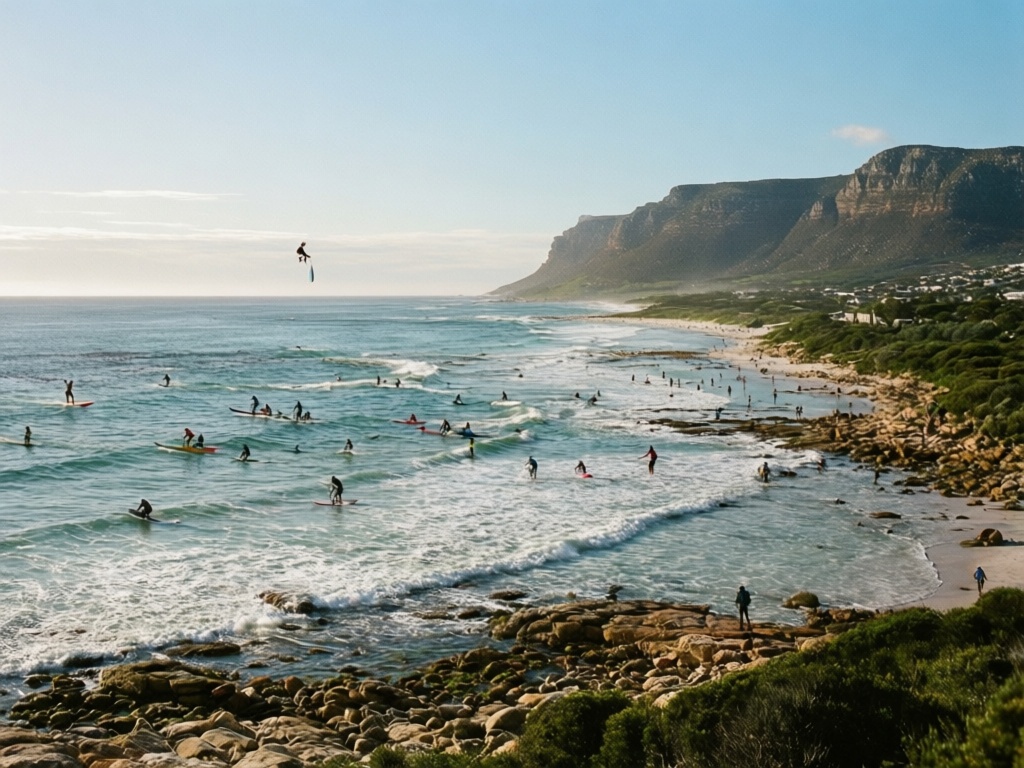
The Atlantic waters along Bloubergstrand offer a specific kind of energy that dictates what you can do on any given day. The wind is the primary driver here, and when the South Easter kicks in, the coastline transforms into a playground for wind-powered movement. Kitesurfing is the heartbeat of this stretch of coast, with riders using the steady thermal winds to dance across the waves. It requires focus and a deep respect for the launch zones and right of way rules to keep the beach safe for everyone.
Surfing is another staple, though it relies heavily on the swell and the tide. On days when the swell is consistent and the wind is light, the breaks provide a challenging rhythm for those with the skill to read the water. You must always check the local conditions before paddling out, as the Atlantic does not offer second chances to the unprepared. Watching the movement of the sets and understanding how the tide affects the break is part of the essential preparation.
For those who prefer a different pace, paddleboarding offers a way to engage with the water when the surface is flat. This is best done during those early morning windows before the wind picks up and turns the bay into a sandblaster. It allows for a steady, rhythmic movement that connects you directly to the coastal environment. Always keep an eye on the weather forecast and ensure you have a plan for the tide turning.
Every session on the water starts with the same fundamentals: checking your gear, assessing the wind, and respecting the sea. Whether you are catching a wave or catching the wind, being ready is what allows you to enjoy the coast without unnecessary risk. Layer up, stay hydrated, and always come prepared for the elements.
How do you stay safe while kitesurfing and swimming?
Safety on the Bloubergstrand coast starts with understanding that the wind and water are moving forces, not static scenery. For kitesurfers, this means strictly adhering to launch zone boundaries and right of way rules. Always yield to riders who are already on a course or crossing your path. A sudden gust or a mistake in judgement can quickly turn a controlled session into a chaotic situation for everyone on the beach.
Preparation is the only way to manage the unpredictability of the South Easter. Check your lines, inspect your kite for any damage, and ensure your harness is secure before you even step onto the sand. Never underestimate the power of a strong wind to drag you into deeper, more dangerous waters. If the conditions feel too heavy or your gear is not up to the task, stay on the shore. The ocean will still be there tomorrow.
Swimming requires an even higher level of vigilance, especially when the tide begins to turn. Always swim within your limits and keep a sharp eye on the flags and local lifeguard instructions. The Atlantic can develop strong currents without much warning, and once you are caught in one, fighting it is often the most dangerous thing you can do. Focus on staying calm and moving parallel to the shore if you feel a pull.
Never swim alone, and always be aware of the presence of other water users like surfers or kiteboarders. Watch the movement of the waves and understand how the swell interacts with the shoreline. Being prepared means knowing your physical limits and respecting the environment's power. Carry enough water, stay hydrated, and never let a lack of preparation lead to an unnecessary rescue.
What permits are needed for hiking and mountain trails?
Heading into the mountains requires more than just a good pair of boots and a steady pace. Depending on where your feet take you, you may need specific permissions to enter certain areas legally and safely. Accessing different trails often means navigating a system of permits that ensures the land is managed and people are accounted for.
If your route takes you into SANParks territory, such as Table Mountain National Park, you must secure the correct hiking permit before you start. This is not just about following the rules, it is about supporting the conservation of these wild spaces. You can arrange these permits through official channels, and they are essential for anyone planning to spend time on the more formal trails within the park boundaries.
For those looking for a different kind of adventure with a Wild Card, this provides much broader access across various national parks. It is a useful tool if you move between different landscapes frequently, as it covers many of the major mountain and nature reserves in the region. Always check the specific requirements for your intended route, as some areas have stricter regulations than others.
Preparation extends to the paperwork just as much as your gear. Checking that your permit is valid and that you understand the rules of the specific trail prevents unnecessary interruptions to your movement. Know where you are going, know what permissions you need, and always respect the boundaries set by the land managers. Having your permits sorted allows you to focus entirely on the terrain and the rhythm of the hike.
How do you prepare for cycling and mountain biking?
Preparing for a ride on the trails starts long before you clip into your pedals. A thorough mechanical check is non negotiable, especially when the terrain gets technical or steep. Check your tyre pressure, inspect your brakes for responsiveness, and ensure your chain is clean and well lubricated. Small mechanical failures on a remote section of trail can quickly turn a productive ride into a long, difficult walk back.
Hydration and nutrition are just as critical as your gear. The Cape weather can shift from intense heat to sudden dampness in minutes, so always carry more water than you think you will need. Pack energy dense snacks to maintain your pace and prevent the heavy fatigue that leads to mistakes. Layering is also essential, as a light windbreaker or extra layer can be the difference between comfort and shivering during a climb.
Trail etiquette and access rules are the foundation of good mountain biking. Always check if the specific trail requires a permit or has seasonal restrictions in place. Respecting singletrack boundaries and yielding to hikers or other riders ensures that access to these spaces remains open for everyone. It is about moving through the landscape with awareness of others and the environment.
Finally, always carry a basic repair kit and a way to navigate. A multi tool, spare tube, and a pump are standard requirements for any serious outing. Know your route and tell someone where you are going, especially if you are heading into more isolated areas. Being prepared means having the tools to fix minor issues and the plan to get home safely when the conditions change.
What is required for recreational boating on the coast?
Taking a boat out on the Atlantic requires more than just a sense of adventure and a sturdy hull. The sea does not care about your plans, so your paperwork must be as solid as your gear. Before you even think about launching, ensure your vessel is properly registered with SAMSA. This registration is the foundation of legal boating, and it ensures your craft is recognised and compliant with national maritime standards.
If you are the one at the helm, you need to hold the correct credentials for the waters you intend to navigate. For those operating larger or more complex vessels, having a Skipper's Licence, also known as a Certificate of Competence, is essential. Beyond personal skill, your boat must also carry a valid Certificate of Fitness. This document confirms that your vessel meets the necessary safety requirements to be out on the water, providing peace of much-needed security for everyone on board.
Safety equipment is not an optional extra, it is a requirement for every launch. Ensure your life jackets are in good condition and accessible, and that you have all the mandatory signaling and flotation devices required by law. Checking these items before you leave the slipway prevents avoidable risks when the wind picks up or the swell increases. A boat that is not properly equipped is a liability to yourself and others.
Finally, respect the rules of the coast and the specific regulations governing your local waters. This includes understanding right of way and staying mindful of maritime boundaries. Proper preparation means having your registration, your certificates, and your safety gear sorted well before the tide turns. When the paperwork is in order, you can focus on the movement and the rhythm of the sea with confidence.
Conclusion
Success on the trails and the water depends entirely on how you prepare before you set off. Proper mechanical checks, valid maritime documentation, and the right safety gear form the foundation of every safe outing. Always respect the local rules, check your permits, and stay mindful of the changing weather and tides.
Preparation is what allows you to focus on the movement and the landscape rather than the risks. By checking your equipment, securing your paperwork, and packing for the actual conditions, you ensure that every adventure remains a sustainable way to engage with our coast and mountains. Coming ready is the only way to move through these wild spaces with confidence.