Finding a landscaper who understands the salt and wind of Blouberg is vital. This guide helps homeowners vet professionals, prepare project briefs, and understand what a proper garden design quote must include to avoid costly mistakes.
How do you vet a landscaper for local conditions?
Finding a landscaper who understands the Bloubergstrand coast requires looking past the glossy portfolio photos. You need someone who knows how the salt spray affects certain species and how our heavy winds impact soil stability. A person who only knows lush, inland gardens will leave you with a yard that struggles after the first summer heatwave.
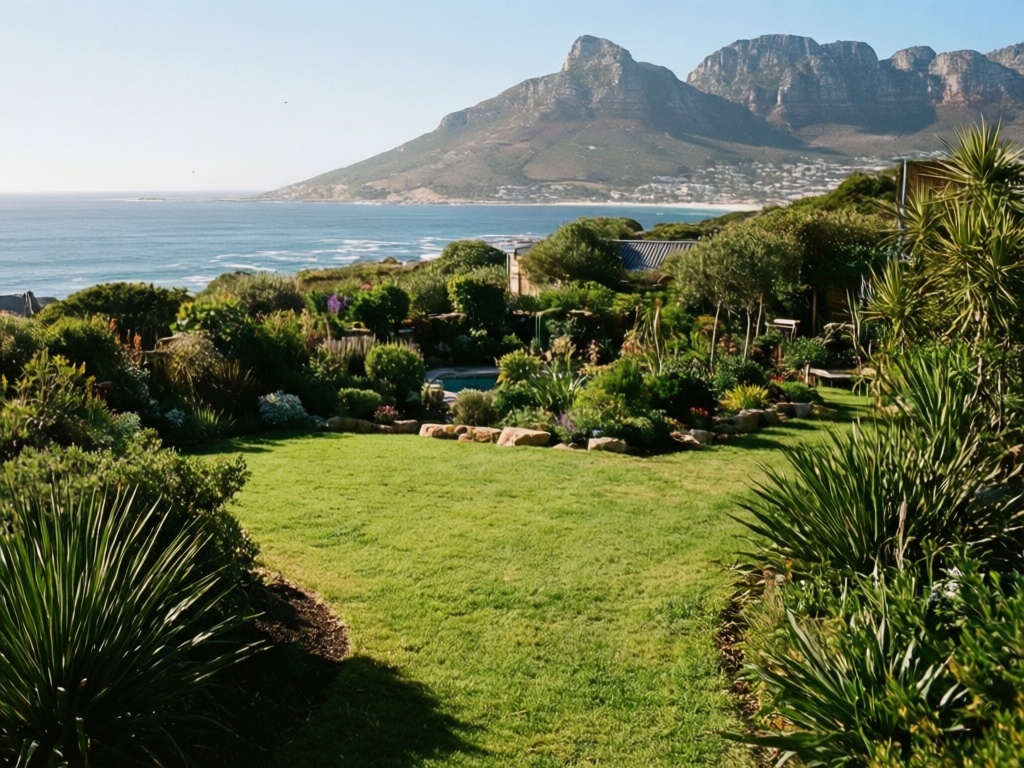
Start by asking about their experience with local soil types and wind resistance. If they suggest high-maintenance plants that cannot handle the Atlantic salt air, they are not the right fit for our area. You should look for professionals who prioritise a waterwise garden for the Cape West Coast because sustainability is the only way to ensure your investment survives.
Check their credentials regarding tree care and invasive species management. If you need work done on larger trees, verify that any contractor you consider is legitimate and follows the National Forests Act and local bylaws. A good contractor will know the rules about pruning and when a permit is required for removal.
Do not settle for a quote that seems too low to cover the actual cost of quality materials. Ask to see work they completed at least two or three seasons ago. This shows you how their planting holds up against our harsh winters and summer droughts. If they cannot show you established, thriving gardens in our neighbourhood, keep looking.
Finally, look for specialists who understand the technical side of garden infrastructure. A professional should be able to discuss borehole registration or greywater systems with confidence, and demonstrate a clear grasp of the local environment. If they dodge questions about irrigation legality or drainage, there is likely a catch in their plan.
What should your project brief include?
A project brief is your first line of defence against a costly misunderstanding. It should not be a vague wish list, but a clear set of requirements that leaves no room for guesswork. You must define exactly what you want to achieve, from the specific types of hardy plants you require to the technical boundaries of any new irrigation system.
Start with your functional needs and environmental constraints. State clearly if you are looking to create a waterwise garden for the Cape West Coast or if you need specific drainage solutions for salt spray areas. Include details about any existing infrastructure, such as boreholes, wellpoints, or greywater systems, that the contractor must integrate into their plan.
Include all legal and regulatory requirements in your document. If your project involves tree work, specify whether you need a professional to handle permits or removals under the National Forests Act. Mention any specific compliance needs for pool safety barriers or the removal of invasive species under the Biodiversity Act. This ensures the contractor knows they are responsible for following local bylaws from the start.
Define your boundaries and budget expectations with plain language. List the materials you expect to be used, such as specific stone types or hardy indigenous species, so there is no substitution later. Detail any limitations on site access or working hours. A well-documented brief forces the contractor to address the hard details upfront, which helps you spot a hollow promise before any work begins.
What must a professional garden design quote cover?
A professional quote must be a detailed map of the work, not just a single number on a page. If a contractor gives you a lump sum without breaking down the costs, they are leaving room to change the price later. You need to see exactly what you are paying for, from the specific quantity of soil conditioners to the labour hours required for planting.
The quote should list every material and its expected quality. It must specify the types of hardy, indigenous plants intended for your waterwise garden for the Cape West Coast to ensure they can withstand our salt spray and wind. Do not accept vague terms like assorted shrubs or local stones. Demand specifics on sizes, quantities, and species so there is no way to swap expensive, durable plants for cheaper, weaker alternatives once the work starts.
Technical infrastructure needs their own clear line items. If the project includes a new greywater system, borehole integration, or wellpoint installation, the quote must detail the components and the method of installation. This clarity prevents unexpected costs when the contractor suddenly claims they need extra piping or specialized valves that were not originally discussed. The same applies to any work involving drainage or irrigation controllers.
Finally, ensure the quote covers all regulatory compliance and site cleanup. If the job involves removing invasive species under the Biodiversity Act or managing trees, the cost of permits and legal disposal must be visible. The document should also state who is responsible for removing garden refuse and debris from your property. If the quote does not explicitly mention the removal of waste, you might find yourself left with a pile of dead branches and old soil on your driveway.
How can you phase a large landscaping project?
Large landscaping projects often fail when you try to do everything at once. Trying to tackle major earthworks, irrigation installation, and new planting in a single go can lead to exhausted budgets and unfinished work. Phasing your project allows you to manage the cash flow and ensures that the foundation is solid before the decorative elements arrive.
Start with the heavy, structural phase first. This includes any significant ground preparation, drainage solutions, or the installation of permanent infrastructure like boreholes, wellpoints, or greywater systems. If you are also dealing with invasive species removal under the Biodiversity Act, do this at the very beginning. It is much harder to plant a waterwise garden for the Cape West Coast if you are still digging trenches or clearing heavy debris from old, unwanted growth.
The second phase should focus on the technical irrigation and soil preparation. Once the ground is stable and the heavy machinery has left, install your irrigation lines and soil conditioners. This stage ensures that when the plants finally arrive, they are going into a prepared environment that can actually support them. It also allows you to test the functionality of new water systems before any expensive greenery is at risk.
The final phase is the planting and finishing work. This is where you introduce your hardy, indigenous species and add decorative elements like stone or mulch. By leaving this for last, you protect your new plants from being trampled by workers or damaged by heavy equipment. Ensure that whichever contractor you have engaged has provided a timeline that respects this order of operations. A phased approach prevents the chaos of having too many moving parts on site at once.
Where can you find local landscaping services?
Finding reliable local services requires looking past the glossy flyers and checking where the real work is being done. Do not rely solely on a random search result or a colourful advertisement on a roadside board. The best way to find someone who knows our specific coastal conditions is to look at the gardens already thriving in your immediate neighbourhood. If you see a well maintained, hardy garden that survives our salt spray and wind, ask the owner who handled the installation and maintenance.
Local directories can serve as a starting point, but use them only to find names, not to make final decisions. Two listings operating in the local area are BEST Landscaping and DC Tree Felling. Readers can investigate these listings alongside other local providers as part of their own due diligence.
Word of mouth remains the most honest tool in your kit. Talk to your neighbours, but do not just listen to their praise. Ask them about the aftercare and whether the contractor showed up when they said they would. A service provider might do a beautiful job on day one, but you need to know if they are still responsive when a pipe leaks or a plant fails. The goal is to find someone whose reputation is built on years of finished jobs, not just a single season of good weather.
Finally, check for local references that involve similar technical work. If you are planning a waterwise garden for the Cape West Coast, ask if they have successfully installed greywater or borehole systems in Blouberg before. A person who only knows ornamental flowers might struggle with the plumbing and regulations required for sustainable water systems. Look for proof of competence in the specific tasks you need completed.
Conclusion
Successful garden work relies on a structured approach that prioritises heavy infrastructure and technical water systems before any planting begins. It is vital to verify the competence of local service providers by looking for proven results in our specific coastal environment. Focus on finding contractors who understand the regulations for irrigation and the necessity of durable, hardy species.
By phasing your project correctly and checking real references, you can avoid the common pitfalls of unfinished work or failed installations. Do not settle for promises when you can find proof in the thriving gardens around you. Stick to the plan, test the systems, and ensure every part of the job is built to last through our seasons.