Article re-cap
- The Western Cape Property Development Forum is calling for increased government intervention following a Constitutional Court ruling.
- Property prices in Cape Town are rising well above those in many other parts of South Africa due to limited developable land and lengthy approval processes.
- Construction costs in the Western Cape are higher than in other regions because of import parity prices on materials such as glass and bricks.
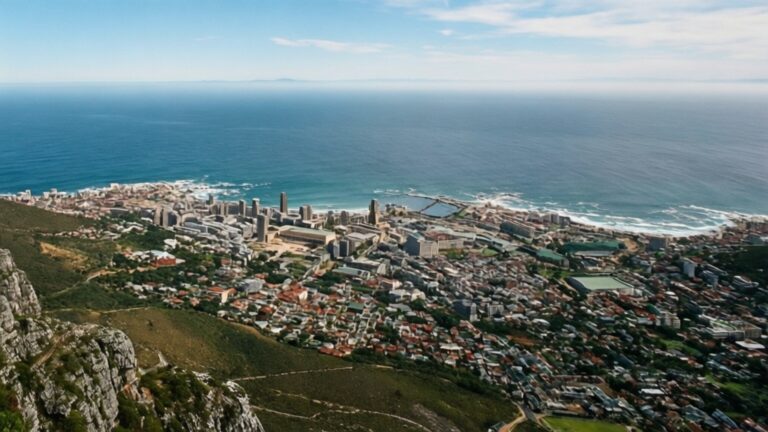
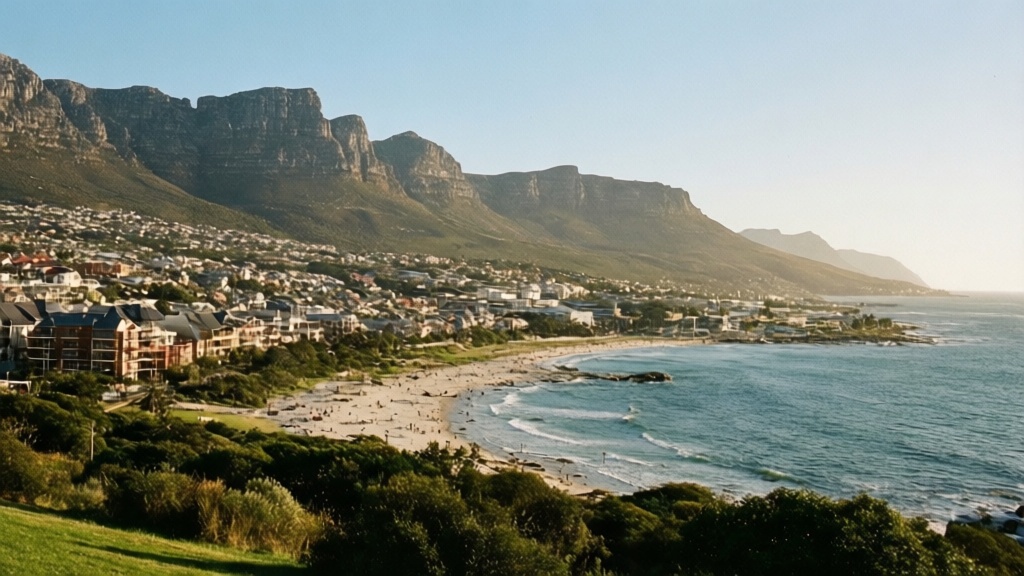
- The Western Cape is a sea-locked region with limited developable land caused by environmental protections.
The Western Cape Property Development Forum has called for increased government intervention following a Constitutional Court ruling requiring the City of Cape Town and provincial government to submit an affordable housing plan within three months.
Deon van Zyl, chairperson of the Western Cape Property Development Forum, said the challenge is driven by a severe shortage of housing supply, limited developable land and rising construction costs.
Van Zyl stated that Cape Town's geography, environmental protections and lengthy development approval processes have contributed to property prices rising well above those in many other parts of South Africa. He noted that the undersupply starts with land availability because the Western Cape is a sea-locked region with limited developable land due to environmental protections.
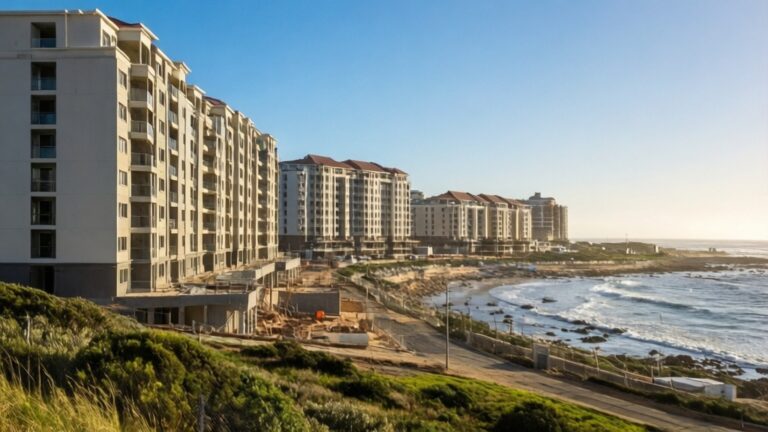
The chairperson said the cost of delivering housing is more expensive than in other parts of the country because of import parity prices on materials like bricks and glass. He added that when demand meets high input costs for land and zoning, property prices increase.
To address the crisis, Van Zyl argued that the government should focus on redeveloping existing sites, releasing underutilised public land and exploring alternative funding models. He suggested that provincial and local authorities must play a more active role in securing land and that the subsidy structure needs to be reviewed because property in the Cape costs 30 to 50 percent more than in other parts of the country.
Van Zyl said national ministries should not sit on land in the Cape without working it. He expressed concern regarding the difficulty officials will need to face in meeting the court's expectations for supplying affordable housing.
This follows earlier local coverage of ConCourt reserves judgment on Tafelberg social housing case.
Frequently asked questions
What has the Constitutional Court ordered the City of Cape Town to do?
The Constitutional Court has ruled that the City of Cape Town and provincial government must submit an affordable housing plan within three months. The Western Cape Property Development Forum is calling for increased government intervention to meet this requirement.
Why are property prices in Cape Town higher than elsewhere in South Africa?
Cape Town's property costs are 30 to 50 percent more than other parts of the country due to several factors: limited developable land because the Western Cape is sea-locked with environmental protections, lengthy development approval processes, and rising construction costs including import parity prices on materials like bricks and glass.
What solutions has the Property Development Forum proposed for the housing shortage?
The forum suggests government should focus on redeveloping existing sites, releasing underutilised public land, and exploring alternative funding models. Provincial and local authorities must play a more active role in securing land, and the subsidy structure needs review to reflect Cape Town's higher property costs.
What specific challenges does the Western Cape face in delivering affordable housing?
The region faces a severe shortage of housing supply, limited developable land due to environmental protections, and rising construction costs. The cost of delivering housing is more expensive than other parts of the country because of import parity prices on materials and the high cost of securing land.
Source: ewn.co.za