

Article re-cap
- Container terminal ship turnaround times at the Port of Cape Town have improved each year from 103 hours in 2023/24, to 83 hours in 2024/25, 74 hours in 2025/26, and 58 hours year-to-date in 2026/27.
- Average vessel waiting times at anchorage fell from 127 hours in 2023/24 to 79 hours in 2025/26.
- Dry bulk volumes declined by 42.8% year on year in 2025/26, driven by favourable local harvests and improved domestic grain availability reducing reliance on imported grain.
- Liquid bulk volumes rose 10.3% and break bulk volumes rose 25.5% year on year in 2025/26.
- Nine of the eleven terminals at the port are now privately operated, with proposals in place for a new multipurpose terminal and a floating dock facility.
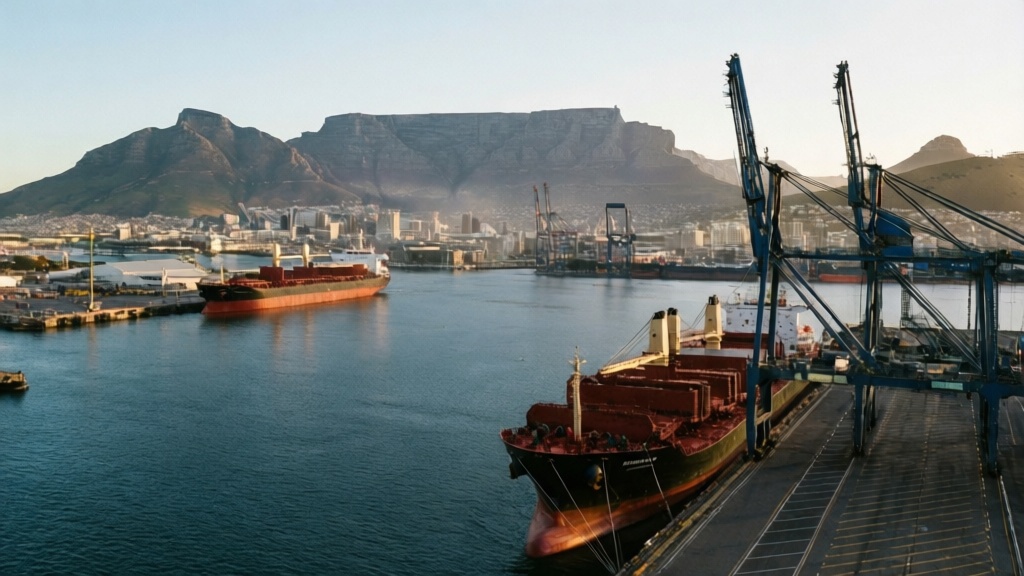
Vessel turnaround times at the Port of Cape Town have decreased from an average of 103 hours in the 2023/24 financial year to 58 hours year-to-date in the current period, according to the Transnet National Ports Authority.
That figure represents the 2026/27 year-to-date average. In the preceding 2024/25 financial year, container terminal ship turnaround times stood at 83 hours, before falling further to 74 hours in 2025/26, continuing a consistent year-on-year improvement from the 103-hour baseline recorded in 2023/24.
Container terminal ship turnaround times decreased from 103 hours in 2023/24 to 83 hours in 2024/25, and fell further to 74 hours in 2025/26. The 2026/27 year-to-date average has continued the trend at 58 hours. Average vessel waiting times at anchorage also declined from 127 hours in 2023/24 to 79 hours in 2025/26.
Liquid Bulk volumes grew by 10.3% year on year in 2025/26, driven by higher petroleum imports and coastwise export activity. Break Bulk volumes rose by 25.5% year on year. Dry Bulk volumes fell by 42.8% year on year, attributed to lower maize and barley imports following an improved local harvest. TNPA attributed the dry bulk decline to favourable local harvests and improved domestic grain availability, which reduced the Western Cape reliance on imported grain.
Nine of the eleven terminals at the Port of Cape Town are now privately operated. Transnet National Ports Authority has put forward proposals for a new Multipurpose Terminal and a floating dock facility to increase ship repair capacity.
The authority attributed the improvement to better terminal handling rates and fewer marine-related delays. The permanent deployment of ten shore tension units has reduced downtime caused by long-wave conditions by 92% since 2023/24. Acting Port Manager Ophelia Shabane said the gains demonstrate the impact of targeted interventions, infrastructure investment and collaboration with terminal operators and industry stakeholders.
Container volumes increased by 6.5% year on year during 2025/26, supported by record deep-sea import and export volumes. Exporters Western Cape chairman Terry Gale said vessels are now almost at the point where they are berthing on arrival.
Gale noted that favourable weather and investment in new equipment helped strengthen the port ability to operate during high winds. He added that the upcoming fruit export season would test whether these gains can be sustained.
A Western Cape government source said the province digital logistics planning platform showed significant improvement following the introduction of new equipment late last year. The source noted that sustaining improvements requires skilled operators, effective weather disruption responses and better coordination across the logistics chain.
These operational gains follow poor performance in the World Bank Container Port Performance Index, which highlighted the impact of weather-related disruptions and bottlenecks on vessel turnaround times.
This follows earlier local coverage of Minister demands urgent Port of Cape Town repairs.
Frequently asked questions
What were the container terminal ship turnaround times at the Port of Cape Town over the past three financial years?
Turnaround times fell from 103 hours in 2023/24 to 83 hours in 2024/25, and further to 74 hours in 2025/26. The 2026/27 year-to-date average stands at 58 hours.
Why did dry bulk volumes fall so sharply at the Port of Cape Town in 2025/26?
TNPA attributed the 42.8% year-on-year decline to favourable local harvests and improved domestic grain availability, which reduced the Western Cape reliance on imported grain, leading to lower maize and barley imports.
What has contributed to the reduction in vessel waiting times at the Port of Cape Town?
TNPA credits improved terminal handling rates, the elimination of marine-related delays, and the permanent deployment of ten shore tension units, which have reduced long-wave-related downtime by 92% since 2023/24.
Source: freightnews.co.za, capetownetc.com, polity.org.za