
Article re-cap
- Dr Ivan Meyer has called for improved efficiency at the Port of Cape Town to prevent agricultural exports from being rerouted during the 2025/26 season.
- Approximately 55,000 tonnes of table grapes were rerouted to Eastern Cape ports due to operational challenges at the Port of Cape Town.
- Rerouting agricultural exports increases logistics and transport costs, which places a severe financial strain on producers and exporters in the Western Cape.
- The Western Cape Minister of Agriculture, Economic Development and Tourism suggested that greater private sector participation could help unlock efficiency gains at the port.
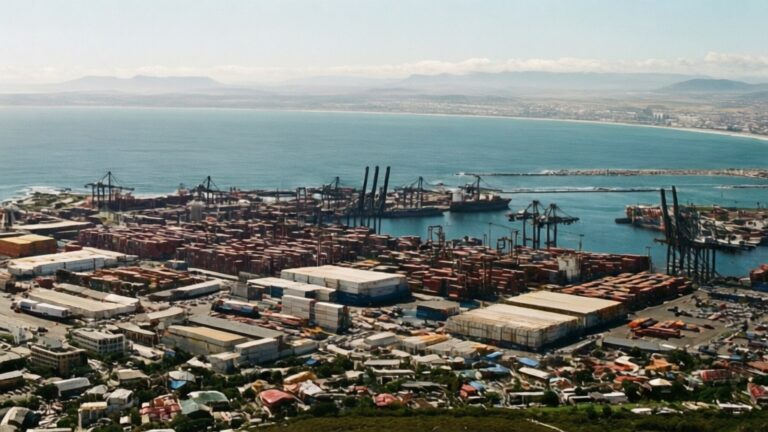
The Western Cape Minister of Agriculture, Economic Development and Tourism, Dr Ivan Meyer, has called for improved efficiency at the Port of May Cape Town to prevent agricultural export rerouting during the 2025/26 season.
Dr Meyer stated that the rerouting of agricultural exports to Eastern Cape ports should be avoided ahead of the upcoming season. This follows recent reports that significant volumes of produce were diverted due to operational challenges at the Port of Cape Town during the previous peak export period.
It is estimated that approximately 55,000 tonnes of table grapes were rerouted, with additional impacts felt by industries producing apples, pears, peaches, plums, apricots, nectarines, and cherries. According to Dr Meyer, such diversions place severe financial strain on producers and exporters because of increased logistics and transport costs.
The Minister said that a non-performing port places an unsustainable financial burden on producers and threatens jobs across the agricultural value chain. He noted that the Western Cape export economy depends on a well-functioning Port of Cape Town and called for improved efficiency, reliability, and coordination.
Organised agricultural bodies, including Hortgro, the South African Table Grape Industry, and the Fresh Produce Exporters’ Forum, have raised concerns regarding the cost implications of rerouting. The Department of Agriculture has been engaging with Transnet and industry stakeholders to address operational shortcomings and delays.
Dr Meyer suggested that greater private sector participation in the operation and management of the port is needed to unlock efficiency gains and investment. He stated that while the department continues to support farmers through the Comprehensive Agricultural Support Program, long-term solutions require fixing the logistics ecosystem.
Frequently asked questions
Why is the Port of Cape Town's efficiency important for Western Cape agriculture?
A well-functioning port is critical because the Western Cape export economy depends on it. Poor port performance forces agricultural producers to reroute exports to Eastern Cape ports, significantly increasing logistics and transport costs and placing financial strain on farmers and exporters across the region.
What agricultural products were affected by the port rerouting in the previous season?
Approximately 55,000 tonnes of table grapes were rerouted, along with significant volumes of apples, pears, peaches, plums, apricots, nectarines, and cherries. These diversions resulted from operational challenges at the Port of Cape Town during the peak export period.
What solutions has Dr Meyer proposed to improve port efficiency?
Dr Meyer has called for improved efficiency, reliability, and coordination at the Port of Cape Town. He has suggested that greater private sector participation in the operation and management of the port is needed to unlock efficiency gains and investment for long-term solutions.
Which agricultural organisations have raised concerns about port rerouting costs?
Hortgro, the South African Table Grape Industry, and the Fresh Produce Exporters' Forum have all raised concerns regarding the cost implications of rerouting agricultural exports due to the Port of Cape Town's operational challenges.
Source: westerncape.gov.za