Article re-cap
- The City of Cape Town reports measurable improvements in water quality and marine life within the Milnerton Lagoon.
- Recent winter rainfall and better estuary conditions have increased dissolved oxygen levels in the lagoon.
- Infrastructure upgrades at the Potsdam Wastewater Treatment Works have achieved two consecutive weeks of 100% compliance with effluent quality parameters.
- The presence of Southern Mullet high up the Diep River indicates improving oxygen levels within the river system.
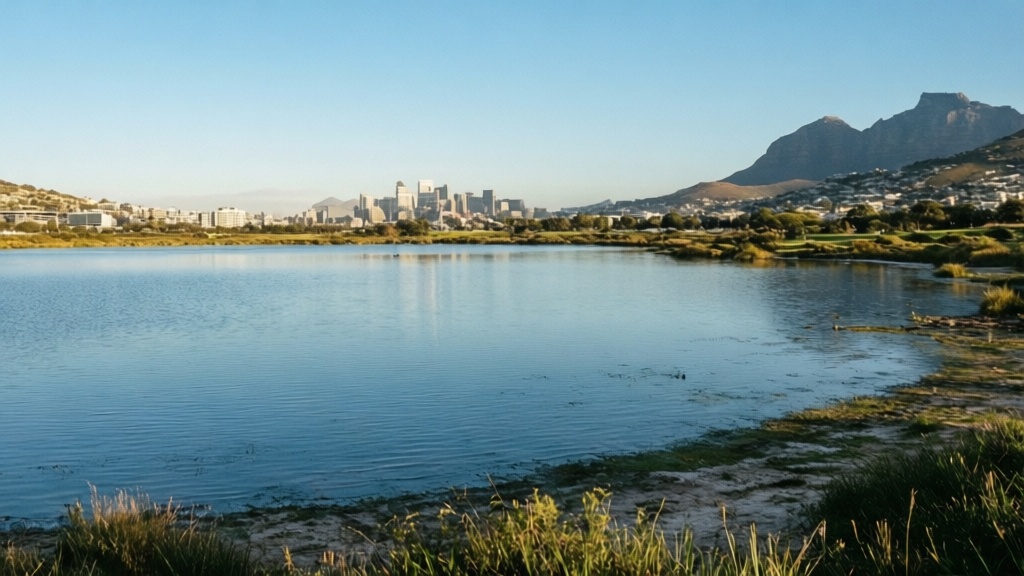
The City of Cape Town says its long term restoration programme for the Milnerton Lagoon is delivering measurable improvements in water quality and marine life.
Recent winter rainfall and improving estuary conditions have increased dissolved oxygen levels, while salinity and sediment conditions within the lagoon have also improved, according to the City.
The presence of a Southern Mullet high up the Diep River was noted as an encouraging sign of better oxygen levels. Zahid Badroodien, the Mayco member for water and sanitation, said the species' presence points to improving water quality and is a positive indication that conditions within the Milnerton Lagoon and river system are changing.
Infrastructure upgrades at the Potsdam Wastewater Treatment Works recently recorded two consecutive weeks of 100% compliance across all measured final effluent quality parameters. Badroodien said sustained compliance is expected once all phases of the plant upgrade have been completed and fully commissioned.
The City is also upgrading several pump stations, including those at Koeberg Road, Du Noon, Phoenix, Table View East and Sanddrift East. All 56 pump stations within the Potsdam catchment are now monitored through a real time telemetry system to allow for quicker fault detection. The Racecourse Pump Station rising main collapsed in June, though emergency repairs were completed within two days and the City said environmental impacts were limited.
More than 31 kilometres of sewer pipelines were cleaned during the 2025/26 financial year, and rehabilitation work is continuing across Milnerton, Century City and Montague Gardens to improve the reliability of ageing sewer infrastructure and reduce the risk of blockages.
For residents in the surrounding area, the improvements include a decline in nuisance odour incidents during 2026 due to better wastewater management. Monitoring since February 2025 shows that the World Health Organisation daily health guideline for hydrogen sulphide has not been exceeded.
However, residents and advocacy groups have raised concerns about the proposed dredging approach. Gregory Nortje, an architect who has lived along the lagoon on Woodbridge Island for three decades, warned that the City's plan to dredge a narrow central channel and deposit sludge along the banks as raised mud berms could dramatically transform the lagoon's appearance and pose a health risk. He cautioned that the sludge banks, likely to consist of sewer-contaminated material, could smell and present a health hazard due to bacteria and sewer solid remnants. Environmental advocacy group Rethink The Stink welcomed the improvements in air quality but questioned the sporadic poor-quality treated effluent discharged from the Potsdam Wastewater Treatment Works between February and May, and raised doubts about whether the proposed dredging would provide lasting ecological benefits.
The next major phase of the restoration programme involves dredging the lagoon, though procurement will only resume once eight lodged appeals against the environmental authorisation decision are concluded. A decision on the eight appeals is expected in August, and if the authorisation is upheld, dredging is anticipated to begin in early 2027.
Frequently asked questions
What signs of improvement has the City reported in the Milnerton Lagoon?
The City says dissolved oxygen levels have increased due to winter rainfall and improving estuary conditions. Water quality markers like salinity and sediment have also improved. The recent presence of a Southern Mullet high up the Diep River indicates better oxygen levels supporting marine life recovery.
What infrastructure upgrades are helping reduce odours in Milnerton?
The Potsdam Wastewater Treatment Works recently achieved two consecutive weeks of 100% compliance with all effluent quality parameters. The City is also upgrading pump stations at Koeberg Road, Du Noon, Phoenix, Table View East and Sanddrift East, and monitoring all 56 stations in the catchment through real-time telemetry for faster fault detection.
When is the dredging expected to begin at Milnerton Lagoon?
Dredging is anticipated to begin in early 2027, but only after eight lodged appeals against the environmental authorisation decision are resolved. A decision on these appeals is expected in August. If the authorisation is upheld, procurement will resume and dredging can proceed.
What concerns have residents raised about the proposed dredging plan?
Local resident Gregory Nortje warned that dredging a narrow central channel and depositing sludge as raised mud berms could dramatically change the lagoon's appearance and pose health risks. He cautioned that sewer-contaminated sludge banks could smell and present hazards from bacteria and sewer solids.
Source: novanews.co.za