A practical guide for motorists in Blouberg, Table View, and the West Coast. Learn how to manage a roadside breakdown safely, secure your vehicle, and arrange reliable towing services across the Cape Town road network.
What is the first step for safety?
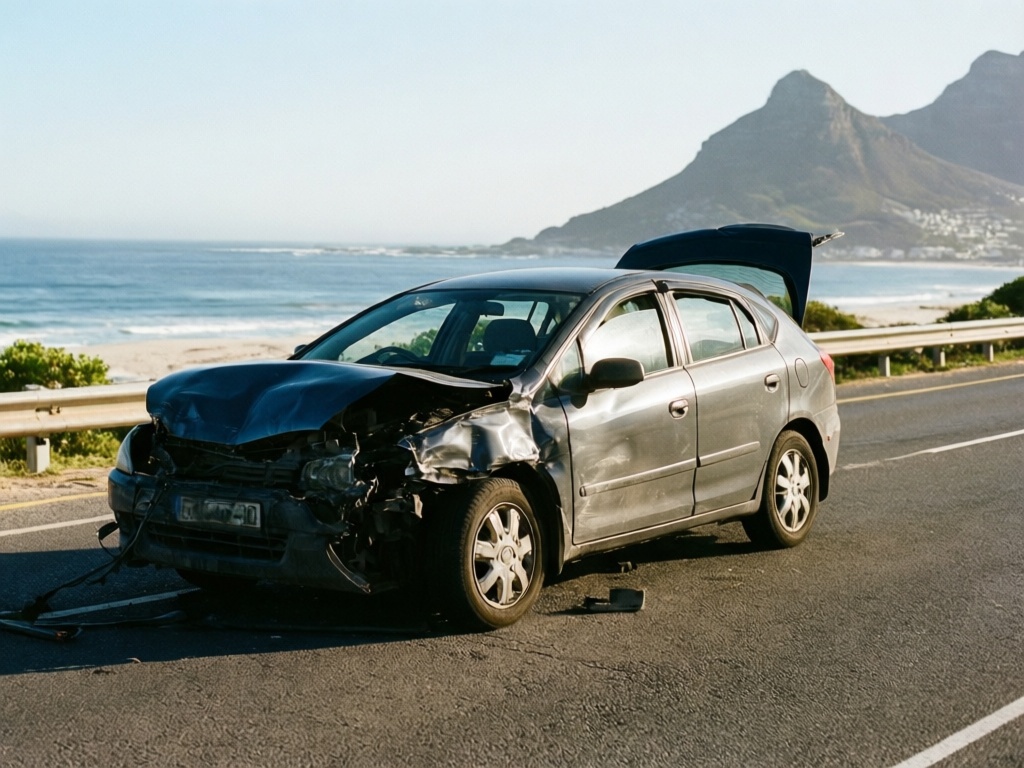
The first step after a vehicle incident is to secure the scene. You must move your car to a safe spot if it is possible to do so without causing further harm. If the car cannot move, turn on your hazard lights immediately. This tells other drivers that something is wrong before they reach you.
Check yourself and your passengers for injuries first. Do not ignore small pains because adrenaline can hide a lot of damage in the moment. Once everyone is stable, look around at the surrounding traffic. You need to ensure no other vehicles are heading straight for your position.
Place your warning triangle well behind the vehicle. It needs to be far enough back so that oncoming drivers have time to react and slow down. On a dark night or in heavy rain, this distance is even more critical. A visible warning prevents a secondary collision which can be much worse than the first.
Keep the road clear of debris if it is safe to step out. Small bits of glass or plastic can cause other tyres to blow. Do not attempt to clean the road if the traffic is still moving too fast. Your priority is staying visible and staying out of the path of moving metal. Safety is about making sure the situation does not grow larger than it already is.
How do you warn other traffic on coastal roads?
Warning other traffic on our coastal roads requires more than just a single signal. The mist and heavy rain common to the West Coast can hide a stationary vehicle until it is too late. You must create a visible buffer between your car and the oncoming flow of traffic.
If you have a warning triangle, place it at a distance that allows for reaction time. On a straight stretch of road, this means setting it well behind the rear of your vehicle. If there is a bend in the road, the triangle must be placed before the driver reaches that curve. This gives them a clear view of the hazard before they are committed to the turn.
Use your hazard lights to provide a constant, rhythmic signal. These lights work best when paired with physical markers like triangles or flares. If you are stuck on a dark stretch near Milnerton or Table View, visibility is your only protection. A car that looks parked but is actually disabled can lead to a sudden, dangerous swerve from another driver.
Keep your movements predictable and avoid standing directly behind or in front of the vehicle. The wind on these roads can be unpredictable and may blow debris or even light equipment toward the road. Stay well off the tarmac and near the verge where you can see approaching headlights. Your goal is to make sure every driver knows exactly where the danger lies before they arrive at your position.
Who should you call for roadside help in Cape Town?
Knowing who to call depends on what has happened to your car and where you are sitting. If a tyre has gone flat or the battery is dead, a local roadside assistance service is your first choice. These operators carry the tools needed for quick fixes like tyre changes or jump starts. They focus on getting you moving again without needing a heavy tow truck.
If the damage is more serious, such as a collision or a mechanical failure that leaves the car undrivable, you need a professional towing service. A proper recovery operator has the right equipment to lift and transport your vehicle safely. You should look for a company that holds the correct permits and registrations for operating in the Cape Town area. This ensures they follow local regulations and can handle the weight of your vehicle without further damage.
When you call, be clear about your exact location and the state of the car. Mention if there is any leaking fluid or if the wheels are locked. If you are on a busy highway or near a bend, tell them so they can prepare for a difficult recovery. A good operator will ask these questions to ensure they bring the right truck for the job.
Avoid calling someone who cannot provide proof of their towing licence or registration. In the confusion of an accident, it is easy to settle for the first number you find. Stick to established services that understand the local roads and the specific challenges of our coastal traffic. A reliable service will arrive with the right gear and enough care to get the job done once.
How do you arrange a tow near me?
Arranging a tow starts with being precise about where you are sitting. Do not rely on vague descriptions like near the big tree or by the petrol station. Use landmarks, street names, or GPS coordinates from your phone to give the operator an exact point. If you are on a major road like the N7 or near the coast, mention any specific exits or nearby intersections that they can use for navigation.
Once you have established your location, describe the condition of the vehicle clearly. Tell them if the car is stuck in a ditch, if it has hit a curb, or if there is visible damage to the undercarriage. If the engine is smoking or fluids are leaking onto the road, this information helps the operator decide which type of truck to send. A flatbed truck is often necessary for cars with significant underside damage, while a standard tow truck might suffice for simple mechanical failures.
Ask about the expected arrival time and the estimated cost before they depart. A professional service will be able to give you a rough idea of the fee based on your distance from their depot. It is also wise to confirm if they can transport the vehicle directly to a specific repair shop or if they will take it to an impound lot. Knowing the destination in advance prevents confusion when the driver arrives at your side.
Keep your phone line clear once the arrangement is made. The operator may need to call you for further directions or to update you on their progress through traffic. If you are in a dangerous position near moving vehicles, stay in a safe spot away from the road while you wait. Let the professional handle the heavy lifting and the technical recovery work.
What to check before the tow truck arrives?
The time spent waiting for a tow truck is not a time to sit idle. You should use these minutes to secure your surroundings and prepare the vehicle for transport. First, check that all loose items in the car are tucked away or removed. Items like tools, bags, or even loose change can slide around during the lift and cause damage to the interior or the truck bed.
Check the vehicle for any fresh leaks of oil, coolant, or brake fluid. If you see a steady drip, note where it is coming from so you can tell the driver immediately. This information helps them decide if they need extra mats or containment gear to prevent a mess on the road. It also tells you if there is a deeper mechanical issue that needs urgent attention at the workshop.
Ensure your important documents are ready and accessible. You will need your driver's licence, vehicle registration papers, and proof of insurance to hand over to the operator or present at the destination. If the car is being taken to an impound lot, having these details organised will make the release process much smoother later on. A bit of preparation now saves a lot of paperwork when you are tired and stressed.
Finally, look around your immediate area for any hazards like low hanging branches or overhead wires. If you are parked under a tree that looks unstable after a heavy wind, move to a safer spot if it is possible to do so without driving the car. Keep your hazard lights on and stay visible to oncoming traffic. The goal is to make the arrival of the truck as simple and safe as possible for everyone involved.
Conclusion
Managing a vehicle breakdown or accident requires clear communication and careful preparation. You must provide exact location details and vehicle condition to the operator to ensure the right equipment arrives. Checking for leaks, securing loose items, and organising your documents helps prevent further complications during the recovery process.
Following these steps makes the towing and roadside assistance process more predictable. Being ready before the truck arrives reduces stress for both you and the driver. A prepared motorist avoids unnecessary delays and ensures a safer transition to the repair shop or impound lot.