
Article re-cap
- An Electrical Certificate of Compliance is a legal requirement under the Occupational Health and Safety Act for all electrical installations.
- A valid certificate must be no older than two years to be used during a property transfer process.
- Any significant change to an electrical setup, such as adding a solar PV system, requires a supplementary certificate of compliance.
- Only a registered Installation Electrician or Master Installation Electrician is legally qualified to issue a valid certificate.
You are sitting at the kitchen table with your conveyancing attorney, staring at a property transfer deadline that is rapidly approaching, only to realise there is no valid electrical paperwork to hand over. An Electrical Certificate of Compliance is not just a piece of paper but a legal requirement under the Occupational Health and Safety Act.
What is an Electrical Certificate of Compliance?
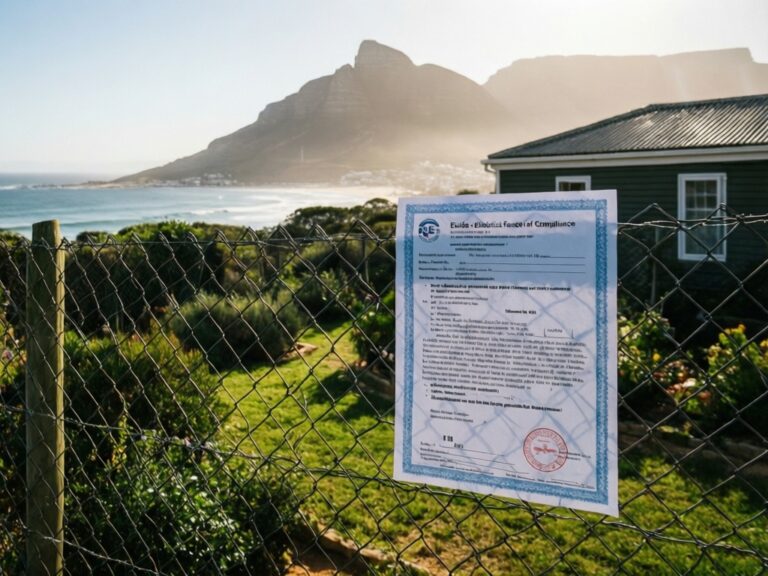
An Electrical Certificate of Compliance is a formal document that confirms an electrical installation has been inspected and tested to meet specific safety standards. It is not merely a recommendation or a courtesy between buyers and sellers, but a legal requirement mandated under the Occupational Health and Safety Act . This regulation ensures that every user or lessor of an electrical installation maintains a valid certificate for that specific setup .
The primary purpose of this document is to verify that your wiring, distribution boards, and connections are safe from hazards like fire or electrocution. No person is permitted to connect any completed or partially completed electrical installation to the electricity supply until a registered professional has performed these mandatory tests . By providing this certificate, you are essentially certifying that the installation complies with the safety protocols required by law.
When is a Certificate of Compliance required?
You will face a mandatory requirement for this document in two specific situations. First, any property sale or transfer requires a valid CoC to be provided before the transaction can conclude [[cite:2]]. This certificate cannot be older than two years if you want it to hold weight during the transfer process [[cite:7]].
Second, any significant change to your existing electrical setup triggers the need for updated documentation. If you have recently added a solar PV system, this counts as an addition that requires a supplementary CoC [[cite:8]]. The inspector will check the entire installation to ensure no part of the existing wiring is hazardous.
Follow these steps to manage your compliance obligations:
- Identify if you are selling a property or performing electrical alterations.
- Check that any recent additions, such as solar PV, have been documented.
- Hire a registered professional to inspect the installation and test all circuits.
- Ensure all necessary repairs are completed before the final inspection occurs.
- Receive the signed certificate from a registered Installation Electrician or Master Installation Electrician.
Who is legally qualified to issue a Certificate?
You cannot simply hand a toolkit to any contractor and expect a legally valid document at the end of the job. To be legally binding, the certificate must be issued by a registered Installation Electrician (IE) or a Master Installation Electrician (MIE) who holds the specific authority to sign off on the installation . This registration ensures that the person inspecting your property has the verified competency required by law to certify that the electrical system is safe for use.
Hiring an unregistered contractor creates significant legal and financial risks for both buyers and sellers. If a registered professional signs a certificate on behalf of someone who lacks the proper credentials, they are committing a criminal offence that can result in their registration being revoked . This makes it vital to verify the status of your electrician before any work begins or any paperwork is finalised.
How does the inspection process work?
The inspection and repair reality
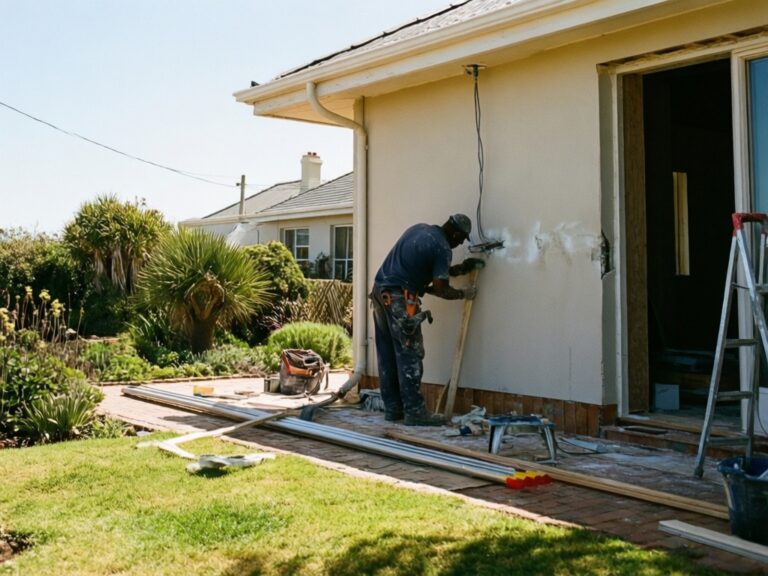
The inspector will run a series of tests on your circuits, earthing, and connections to verify that every part of the installation meets safety regulations [[cite:4]]. This is not just a visual check of your plugs and switches. They are looking for hidden faults in the wiring and ensuring that the grounding system is functional enough to prevent electric shocks or fires.
The biggest risk to your budget is finding non-compliant components during this process. If the professional finds faulty wiring, outdated distribution boards, or unsafe connections, you must pay for these repairs before they can legally issue the certificate. A simple inspection can quickly escalate into an expensive renovation project if your existing infrastructure is neglected.
If you are managing a property transfer in Big Bay, Table View, or Bloubergstrand, you might look for specialists like Bugs and Sparks - Property Transfers and Compliance Certificates or B L ELECTRIC to handle the verification. If your needs involve more complex electrical work or new installations, you should refer to our guide on How to hire a plumber, electrician or gas installer to ensure you are engaging the right level of expertise.
Always verify that your electrician is registered before they begin any work.
Frequently asked questions
When do I need an Electrical Certificate of Compliance in Bloubergstrand?
You require this document during any property sale or transfer, and whenever there are significant changes to your electrical setup. For example, if you install a new solar PV system at your home in the Bloubergstrand or Table View area, you will need updated documentation.
Who is allowed to sign an Electrical Certificate of Compliance?
To be legally binding, the certificate must be issued by a registered Installation Electrician or a Master Installation Electrician. It is vital to verify their registration status, as hiring an unregistered contractor creates significant legal and financial risks for property owners in Cape Town.
What happens if the electrical inspection finds faults?
The inspector will test circuits, earthing, and connections for safety. If they find faulty wiring, outdated distribution boards, or unsafe connections, you must pay for these repairs to be completed before a registered professional can legally issue the certificate.
Is an Electrical Certificate of Compliance just a recommendation?
No, it is not a mere courtesy between buyers and sellers. It is a mandatory legal requirement under the Occupational Health and Safety Act to ensure that wiring, distribution boards, and connections are safe from hazards like fire or electrocution.
Source: labour.gov.za, saflii.org, solar-training.org, gov.za, sapac.co.za