This guide helps West Coast homeowners design resilient gardens that thrive in sandy soil and salt wind. We cover essential considerations for low water planting, managing wind exposure, and knowing when to call in professional landscaping or tree services.
What are the main challenges of West Coast soil and wind?
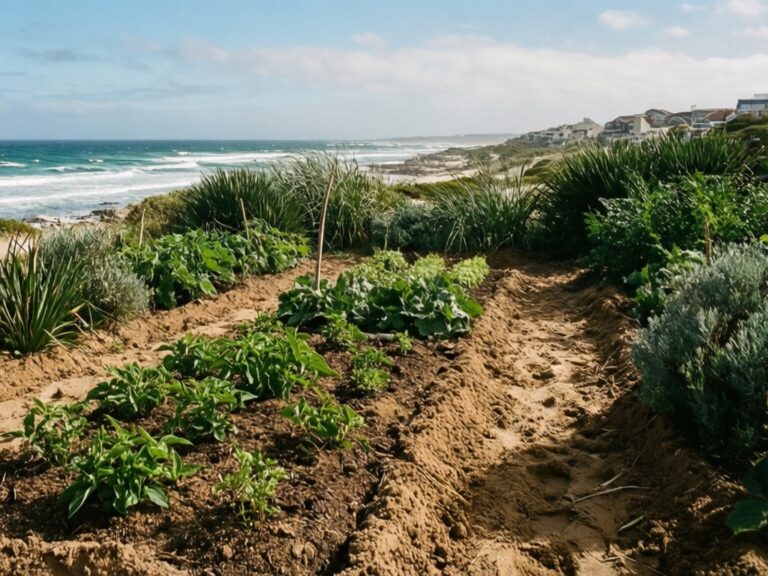
If you are planting around Bloubergstrand, the first thing you must accept is that the elements here do not care about your garden plans. We deal primarily with sandy soil that drains far too quickly and a salt spray that can scorch even the toughest leaves. This sand holds very little nutrition, so what little moisture falls during a winter rain often vanishes before the roots can truly take hold.
Then there is the wind, specifically the southeaster that blows through our streets with regular force. A strong wind does more than just knock over a wobbly trellis or snap a young stem. It physically pulls moisture out of the soil and the leaves, leaving your plants parched even if you have watered them recently. The salt carried on that wind creates a harsh crust on the foliage, which can stunt growth if you are not prepared for it.
You will find that the struggle is constant between keeping the moisture in and keeping the salt out. You cannot fight these conditions with expensive fertilisers alone, as the sand will simply wash them away. Success comes from building resilience through heavy mulching to protect the soil surface and planting hardy windbreaks to break the force of the gale. It is about choosing plants that can stand their ground when the weather turns sour.
Working with these challenges means you must look at your garden as a living system that needs protection. If you try to plant delicate, soft-leaved ornamentals in the open, you will find yourself replanting every season. Focus on the grit and the salt tolerance of your choices, and you might just find something stays green through the heat of a Cape summer.
Which plants thrive in a waterwise Cape garden?
Choosing the right plants means looking past what looks pretty in a nursery window and focusing on what can actually survive a dry January. You want species that have evolved to handle our specific brand of hardship, specifically those with thick, waxy leaves or silver, hairy foliage that helps reflect the sun and trap moisture. Succulents are your best allies here because they store water in their fleshy tissues, making them much more reliable when the rain stops falling for weeks on end.
Proteas and other fynbos varieties are the backbone of a resilient Cape garden, provided you place them where the wind will not batter them too harshly. These plants are built for our nutrient poor soils and can handle the seasonal shifts if you give them a good start with some organic compost. If you pair these with hardy coastal shrubs like Sea Rosemary or certain types of Spekboom, you create a landscape that works with the environment rather than fighting it.
Grasses also play a vital role in a waterwise garden by providing ground cover that helps keep the soil temperature stable. Tough, indigenous grasses can help bind that loose sand together and provide a soft buffer against the salt spray. When you layer these different textures, you build a system that holds onto moisture more effectively than a garden of single, thirsty species.
Always remember that even the hardiest plant needs a bit of help while it is establishing itself in our sandy ground. During those first few seasons, regular watering and a thick layer of mulch are non-negotiable to ensure the roots settle deep enough to find their own way. If you pick plants that belong in this climate, you will spend less time hauling a hose and more time watching your garden hold its own against the southeaster.
How do you manage salt spray and southeaster exposure?
Managing the salt and the wind requires you to think in layers, much like building a wall against a storm. You cannot stop the southeaster from blowing through Bloubergstrand, but you can certainly break its momentum before it reaches your more sensitive plants. Start by establishing a sturdy windbreak of hardy, salt tolerant shrubs or even a structural trellis that can take the brunt of the gale. This creates a calmer pocket of air behind the barrier, where the salt spray settles less heavily on the foliage.
When you are dealing with the salt itself, look for plants with thick, leathery leaves or those covered in fine, silver hairs. These physical traits act as a natural shield, making it harder for the salt crust to penetrate and dehydrate the plant tissue. If you find your leaves are looking scorched or white with salt buildup after a heavy wind, a gentle rinse with fresh water can help wash the crystals away before they do permanent damage. It is a bit of extra work, but it saves you from losing a good plant to chemical burn.
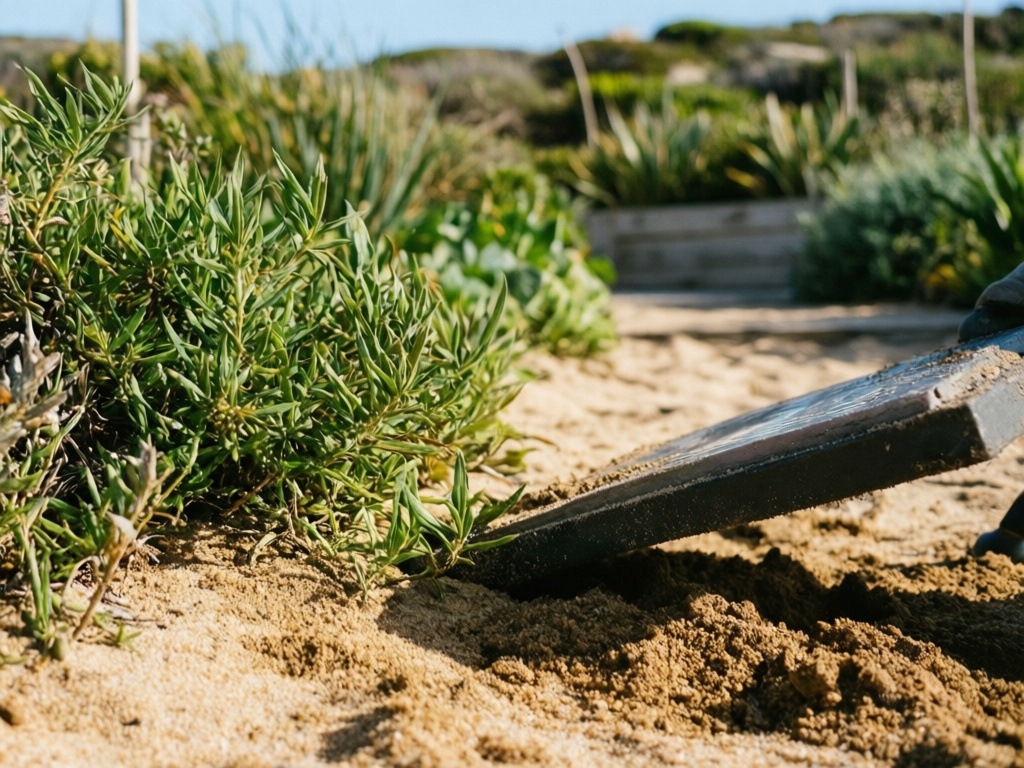
The soil also needs protection from the drying effect of the wind. A thick layer of organic mulch does more than just hold moisture, as it also acts as a heavy blanket that prevents the wind from scouring the surface of your sandy beds. This helps keep the root zones cool and stable when the heat and wind arrive together. If you are planning larger structural changes to your garden layout, such as planting significant new windbreaks, you might consider consulting a professional landscaper to ensure your new greenery is placed for maximum protection.
Do not forget that even the toughest coastal plants need a sheltered start. When planting something new, try to position it on the leeward side of existing structures or larger shrubs. This gives the roots time to establish deep in the sand without being constantly battered by salt and wind. If you work with the natural flow of the wind rather than trying to block it entirely with flimsy barriers, you will build a garden that grows stronger with every season.
When should you hire a professional landscaper or tree specialist?
Most garden work is something you can handle with your own two hands, provided you have the right tools and a bit of patience. Digging small holes for succulents or spreading mulch across a new bed is well within the reach of any homeowner willing to get their hands dirty. However, there are certain tasks where trying to do it yourself can lead to more trouble than it is worth, especially when safety or legalities are involved.
When you are dealing with trees that have grown large or are leaning precariously toward a roof or power line, leave it to the specialists. Felling a tree or pruning heavy limbs requires specific gear and an understanding of weight distribution to avoid property damage or injury. If you find yourself facing a tree that looks unstable after a big storm, contacting a professional like DC TREE FELLING is the sensible route to ensure the job is done without unnecessary risk.
The legal side of gardening also demands a careful eye, particularly when it comes to larger structural changes or removing certain species. If you are planning to clear out invasive alien plants under the Biodiversity Act, or if you need to navigate the rules regarding heritage trees and permits, professional guidance can save you from heavy fines. A skilled landscaper, such as those at BEST Landscaping, understands these local regulations and can help you plan a garden that is both beautiful and legally compliant.
Finally, consider hiring help when the scale of the project exceeds your physical limits or your technical knowledge. If you are designing a complex new irrigation system for a greywater setup or managing significant earthworks to create a new windbreak, an expert eye can prevent costly mistakes in the sandy soil. It is better to pay for expertise upfront than to spend your weekends fixing a poorly installed system that fails during the first summer drought.
What are the rules for managing invasive species and irrigation?
Managing your garden means more than just keeping the weeds at bay, as you must also respect the legal boundaries of what can and cannot grow in our local landscape. Under the Biodiversity Act, certain plants are declared invasive alien species because they spread aggressively and steal water from our native greenery. If you find these invaders taking over your beds, you have a responsibility to clear them out properly to protect the local ecosystem. It is worth doing this work carefully, as leaving roots or seeds behind can lead to a quick and frustrating regrowth.
When you are dealing with water, the rules are just as important as the biology. If you plan to tap into groundwater by registering a borehole or setting up a wellpoint, ensure you follow the local regulations for your area. The same goes for managing greywater systems or any garden irrigation that relies on diverted resources. You want to make sure your system is lawful and efficient, especially when using water in our often dry coastal summers. A well planned system helps you use every drop wisely without running into trouble with local authorities.
Water conservation is the heart of a resilient garden here. When setting up irrigation, focus on methods that support a water wise, indigenous garden by keeping moisture where it belongs: at the roots. Using drip lines or targeted watering reduces evaporation from the wind and prevents waste in our sandy soil. If you are looking for the right supplies to build a sustainable setup, Starke Ayres Home & Garden Centre in West Coast Village can provide the tools needed for efficient irrigation. Working with the natural water needs of your plants ensures your garden survives the heat without draining your resources.
Conclusion
Maintaining a garden on the coast requires working with the wind, the salt, and the local laws rather than fighting against them. Focus on planting hardy, indigenous species that can survive our summers and ensure your irrigation and water systems remain lawful and efficient. By managing invasive species and respecting tree regulations, you build a landscape that is both resilient and sustainable for the long term.
Success comes down to preparation and patience in this sandy soil. Whether you are clearing alien plants or setting up a new greywater system, doing the job right from the start saves effort when the seasons change. Stick to what grows well here, keep your water use wise, and let the garden hold its own against the southeaster.