Article re-cap
- The City of Cape Town has ordered 38 Volvo BZRLE battery-electric buses as part of its MyCiTi service expansion.
- The bus bodies are designed and manufactured locally in Gauteng, South Africa, marking a first for the MyCiTi fleet.
- A pilot research programme conducted in partnership with the University of Cape Town, funded by the City and UEMI, is evaluating battery life, energy use and local climate impacts.
- The full electric fleet is targeted to enter service by 01 July 2027, serving routes connecting Mitchells Plain and Khayelitsha with Wynberg and Claremont.
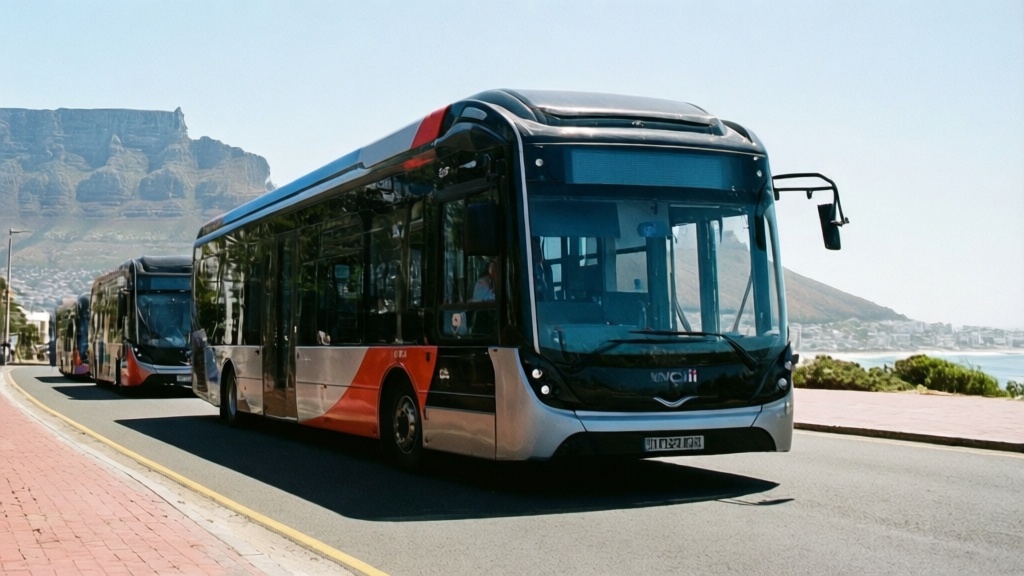
The City of Cape Town has received its first MyCiTi battery-electric bus as part of a plan to acquire 38 low-floor vehicles for service expansion.
The first 12-metre Volvo BZRLE vehicle has arrived, with the full fleet of 38 buses expected during the current calendar year. These buses feature bodies designed and manufactured locally in Gauteng, South Africa.
Councillor Rob Quintas, the City's Mayoral Committee Member for Urban Mobility, said the arrival of the first e-bus marks a pivotal moment in the 16-year history of the service. He noted that international operators have seen operating costs drop by as much as 70% with electric buses.
The prototype bus will be tested on several routes including Hospital Bend, the N2 highway, Camps Bay, Polkadraai Road and Jip de Jager Drive. This research is being conducted in partnership with the University of Cape Town and is funded by the City and UEMI to evaluate battery life, energy use, and local climate impacts.
The electric fleet is intended for the second phase of the MyCiTi service, which will connect Mitchells Plain and Khayelitsha with Wynberg and Claremont. While the full fleet rollout is slated for 2027, the initial e-buses are expected to enter service by 01 July 2027.
The expansion of the bus service into the metro-south east region aims to create a more sustainable and cost-effective public transport network. The data gathered from these operations will help guide future investments in zero-emission transportation for Cape Town residents. Councillor Quintas added that he looks forward to observing the vehicle's performance in the local environment over the coming weeks, particularly given the current volatility of the global energy market.
Frequently asked questions
When will the new electric buses start operating on MyCiTi routes?
The initial electric buses are expected to enter service by 01 July 2027. The full fleet of 38 buses is expected to arrive during the current calendar year, with the complete rollout scheduled for 2027 as part of the second phase expansion.
Which areas of Cape Town will benefit from the MyCiTi phase two expansion?
The second phase of MyCiTi service will connect Mitchells Plain and Khayelitsha with Wynberg and Claremont, creating a more sustainable and cost-effective public transport network in the metro-south east region.
How much could operating costs decrease with these electric buses?
International operators have seen operating costs drop by as much as 70 percent with electric buses, according to Councillor Rob Quintas, the City's Mayoral Committee Member for Urban Mobility.
Where will the prototype electric bus be tested?
The prototype bus will be tested on several routes including Hospital Bend, the N2 highway, Camps Bay, Polkadraai Road and Jip de Jager Drive in partnership with the University of Cape Town to evaluate battery life, energy use, and local climate impacts.
Source: iol.co.za