
Article re-cap
- MyCiTi bus fares increased by up to 45 percent from 1 July 2026 following Council approval, with the monthly pass rising from R1,000 to R1,500.
- The fare increases also apply to the subsidised Dial-a-Ride service used by people with severe mobility impairments.
- The Western Cape Network on Disability, through spokesperson Anthony Ghilino, warned that disabled commuters may be forced to choose between medical trips and social grant collection.
- The City of Cape Town said it remains committed to accessible transport for persons with disabilities and recognises the role Dial-a-Ride plays in promoting mobility and social inclusion.
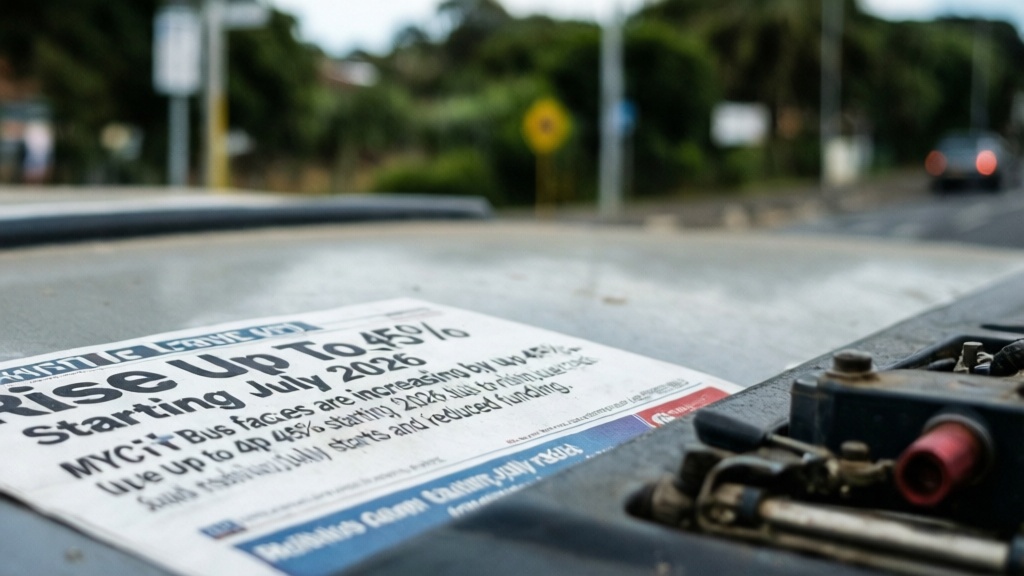
Cape Town commuters will see their MYCiTi bus fares increase by as much as 45 percent from July 1, 2026, due to rising fuel costs, imminent national funding cuts, and increased maintenance expenditure, according to the City of Cape Town. Fares were last increased in 2024 by R10.
The City’s Urban Mobility Directorate announced that the annual fare adjustment, subject to Council approval on June 29, 2026, is necessary to counter escalating operational costs. Officials stated that they have been absorbing sharply rising diesel costs since March, at an estimated R9.1 million per month, in an effort to shield commuters from immediate fare shocks.
Councillor Rob Quintas, Mayoral Committee Member for Urban Mobility, explained that the City has absorbed the costs of exceptional increases in the diesel price since March this year, protecting MYCiTi commuters for four months at a cost of approximately R9.1 million per month. He emphasized that these adjustments are necessary to ensure continuity of service and maintain operational standards.
Councillor Quintas noted that no sector has been unaffected by the rising cost of fuel, attributing the pressure in part to the ongoing Middle East conflict. He added that MyCiTi remains one of the most affordable public transport services in the city, with cheaper off-peak fares applying before 06:45 or after 08:00 on weekday mornings, before 16:15 or after 17:30 on weekday afternoons, and all day on weekends and public holidays.
The fare increases will vary depending on distance, with trips within the 0-20km band rising between 38% and 45%, while longer-distance fares will increase between 32% and 37%. The monthly pass will jump significantly from R1,000 to R1,500, a 50% increase. The new tariff also covers operational costs including maintenance, parts and tyres over the next twelve months. Officials noted that MyCiTi remains one of the most affordable public transport options.
The City stated that while the increases are substantial, fares will continue to be monitored in line with fuel price fluctuations, with possible relief adjustments if conditions improve. The increases came into effect on 1 July 2026 following Council approval. The new tariff structure will take effect from July 1, 2026, pending Council approval at the end of June.
The Western Cape Network on Disability has raised concern that the fare increases, which also apply to the subsidised Dial-a-Ride service for people with severe mobility impairments, place a disproportionate burden on disabled commuters. The network's Anthony Ghilino said many riders now face a choice between affording trips to health facilities and collecting social grants, and that some may no longer be able to reach places of worship or social activities.
Frequently asked questions
When did the MyCiTi fare increases come into effect?
The fare increases came into effect on 1 July 2026 following Council approval on 29 June 2026.
Do the fare increases affect the Dial-a-Ride service for people with disabilities?
Yes, the fare increases apply to the subsidised Dial-a-Ride service for people with severe mobility impairments as well as the broader MyCiTi system.
What concerns has the Western Cape Network on Disability raised?
The network's Anthony Ghilino said many disabled commuters may be forced to choose between travelling to health facilities and collecting social grants, and that some may no longer be able to afford trips to places of worship or social activities.
Why did the City of Cape Town increase MyCiTi fares?
The City cited rising diesel costs, imminent national funding cuts, and increased maintenance expenditure. It had been absorbing rising fuel costs since March 2026 at an estimated R9.1 million per month.
Source: capeargus.co.za, smilefm.co.za, iol.co.za, topauto.co.za, ewn.co.za