Article re-cap
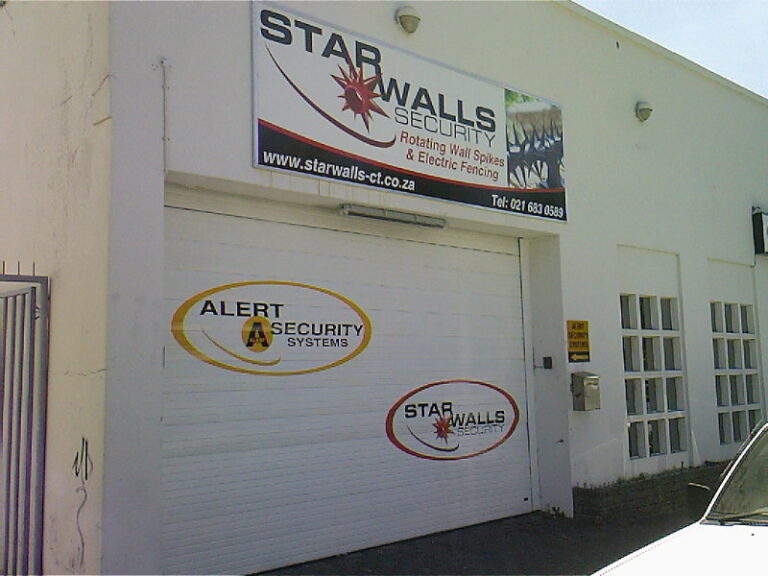
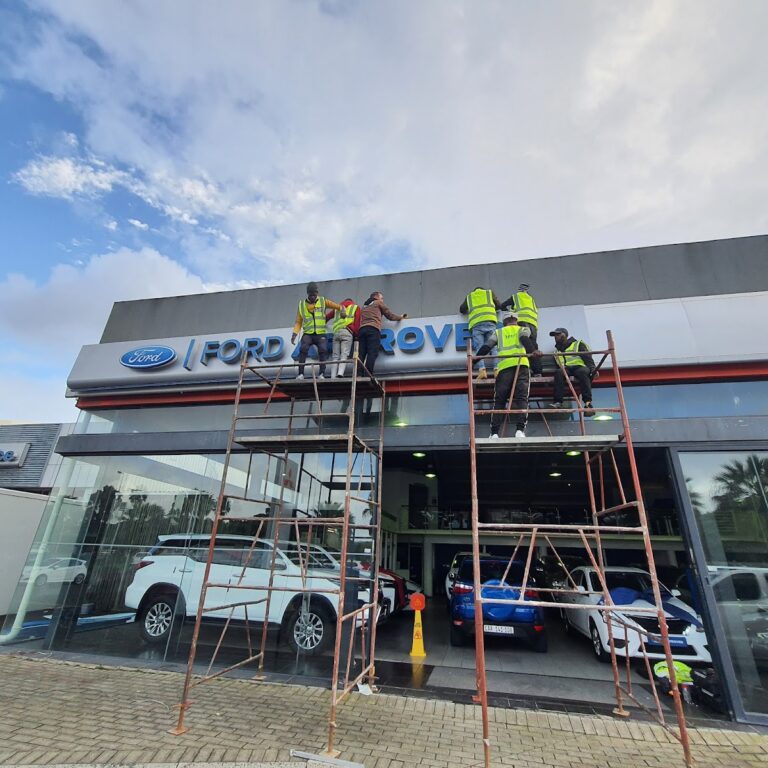
- Fascia signs mounted directly to building frontages are the standard choice for retail shopfronts and are available in illuminated or non-illuminated versions.
- 3D channel letters provide a premium aesthetic and can feature internal LED illumination because they are hollow at the back.
- In coastal areas like Bloubergstrand, you must choose materials that can withstand constant salt spray to prevent peeling or rusting.
- Window graphics using vinyl decals are a cost-effective way to display logos or promotions and can also provide interior privacy.
- Before installing signage, you must confirm that the design complies with local municipal bylaws regarding dimensions and placement to avoid fines.
You stand on a busy pavement in Table View, looking at your finished shopfront, and realise your business is invisible to passing traffic. A storefront without clear, legible signage is merely a wall with a door.
What three factors determine the right sign for your shopfront?
The first thing you must calculate is visibility distance. You need to know exactly how far away a driver or pedestrian needs to be to recognise your brand before they have already passed your entrance. A small, detailed decal might work for someone walking on the pavement, but it will vanish for a motorist travelling at speed on a main road.
Next, you must account for lighting requirements based on your specific location. If your shop is situated on a street with low evening footfall or limited municipal street lighting, your signage cannot rely on daylight alone. You must decide if you need internal LED illumination, such as in 3D channel letters, or if you will require a separate external lighting system to illuminate flat cut letters.
Finally, the mounting surface dictates both the cost and the durability of your choice. The substrate of your building must be able to support the weight of a heavy fascia sign or a tall pylon structure without compromising the integrity of the wall. You also have to consider how the coastal salt spray will interact with the materials you choose for that specific surface.
What are the main types of business signage?
You must understand that each physical format serves a different functional purpose in your street presence. The choice you make will dictate how much light you cast on the pavement at night and how commanding your brand presence is to passing traffic.
The following categories represent the primary options available for commercial installations:
- Fascia signs are mounted directly to the building frontage and serve as the standard choice for retail shopfronts, available in both illuminated and non-illuminated versions.
- 3D or channel letters appear as solid, three-dimensional objects that provide a premium aesthetic. Because these letters are hollow at the back, you can mount LED illumination inside them to ensure excellent nighttime visibility {{cite:4,2}}.
- Lightboxes consist of a shallow cabinet with LED panels positioned behind a vinyl or printed face, allowing the entire surface to glow with even brightness.
- Flat cut letters are simple, two-dimensional shapes. If you require these to be visible after dark, you cannot rely on internal lighting and must instead install a separate external lighting system to illuminate them.
- Pylon signs are tall, freestanding structures built for maximum visibility from long distances, making them better suited for large commercial plots than standard high-street shops.
- Window graphics use vinyl decals applied directly to glass to display logos, hours, or promotions. These are highly flexible and cost-effective options that can also provide privacy for your interior without a heavy installation process {{cite:5,6}}.
How do materials and mounting affect long-term maintenance?
The physical mounting of your signage dictates its lifespan far more than the initial aesthetic appeal. A beautiful design is useless if the substrate cannot handle the wind load of a Cape Town afternoon.
In coastal areas like Bloubergstrand or Sea Point, salt spray is a constant threat to metal components and adhesives. If you choose materials that cannot withstand this corrosive environment, your investment will peel or rust within a year.
You must also consider the structural integrity of the surface where the sign is attached. High-velocity winds can create significant pressure on large-format signs, making the choice of mounting hardware and the strength of the building's fascia critical to preventing much more expensive repairs or accidents. This is the stage at which the wind resistance your building frontage must endure becomes a practical design constraint, influencing both the materials you select and the mounting method your contractor recommends.
What are the trade-offs between signage types?
Every choice in signage involves a compromise between your initial budget and your long-term visibility. 3D channel letters provide high prestige and excellent nighttime visibility because they are hollowed at the back to allow for internal LED illumination. However, this premium look comes with a higher initial deposit and a more complex electrical installation process.
If you require something more budget-friendly, window graphics offer a highly flexible and cost-effective alternative. These vinyl decals are easy to update for seasonal promotions or to display basic information like opening hours without the need for heavy structural work {{cite:5,6}}. They do not, however, provide the same commanding physical presence as a permanent fascia sign.
Balancing cost and installation complexity
Fascia signs remain the standard for retail shopfronts due to their reliability, but you must decide between non-illuminated versions and those with integrated lighting. If you opt for flat cut letters, remember that they cannot be lit from within; you will need to budget for a separate external lighting system to ensure they are visible after dark.
For larger commercial plots where distance is the primary concern, pylon signs offer maximum visibility from far away. While these structures are effective, they are much more substantial than standard high-street options. When you are ready to move from planning to production, local signage specialists in the corridor can manage the physical manufacturing and installation requirements.
What legal requirements apply before installation?
The physical installation of your signage is only half of the process. Before any contractor begins drilling into your masonry or mounting brackets, you must confirm that your chosen design complies with local municipal bylaws. Commercial signage in Cape Town is governed by municipal regulations, and the specific rules that apply to your property will depend on your street type, zoning classification, and the nature of the sign you intend to install.
Rather than relying on general assumptions about what is permitted, you should contact the City of Cape Town directly or engage a registered signage contractor who is familiar with the applicable requirements for your area. A contractor working regularly in suburbs such as Table View, Bloubergstrand, Milnerton, or Parklands will be able to advise you on the correct approval process before any fabrication begins.
Treating bylaw verification as a mandatory step in your project timeline, alongside your electrical and structural planning, will protect your investment and prevent complications after installation.
Frequently asked questions
What should I consider when choosing signage for a shop in Table View?
You must calculate visibility distance to ensure motorists and pedestrians can recognise your brand. You also need to account for lighting requirements based on your street's evening footfall, and ensure the mounting surface can support the sign weight and withstand local wind loads.
How do 3D channel letters differ from flat cut letters?
3D channel letters are solid, three-dimensional objects that allow for internal LED illumination due to their hollow backs. In contrast, flat cut letters are two-dimensional shapes that require a separate external lighting system if you want them to be visible after dark.
Are there specific challenges with signage in Bloubergstrand?
Businesses in coastal areas like Bloubergstrand must account for salt spray, which can corrode metal components and adhesives. It is essential to select durable materials that can resist this corrosive environment to prevent your signage from peeling or rusting within a year.
What are the benefits of using window graphics?
Window graphics are highly flexible and cost-effective vinyl decals applied directly to glass. They are ideal for displaying opening hours or seasonal promotions without heavy installation, and they can also serve to provide privacy for your shop's interior.
What legal risks are involved with business signage installation?
You must ensure all signs comply with municipal bylaws regarding size, projection, and placement. If a sign obstructs walkways or exceeds height restrictions, the municipality can issue fines or order the removal of the structure at your own expense.
Source: signarchitects.co.uk, echobrandgeeks.com, signetsigns.co.uk, matlyds.com, signfreaks.com, printscene.com