Article re-cap
- Wind damage is the primary driver of roof repairs in the Western Cape, where average speeds can exceed 60km/h for nearly fifty days every year.
- Water entering a roof during a storm rarely travels in a straight line; it often enters at a high point and moves along timber or concrete before dripping far from the actual breach.
- Using surface sealants like silicone to plug visible cracks can be dangerous because it may trap moisture against the roof structure, accelerating rot and corrosion.
- Homeowners living within 5km of the coast in areas such as Table View or Milnerton face increased risks from salt air causing corrosion on unprotected metal roofing.
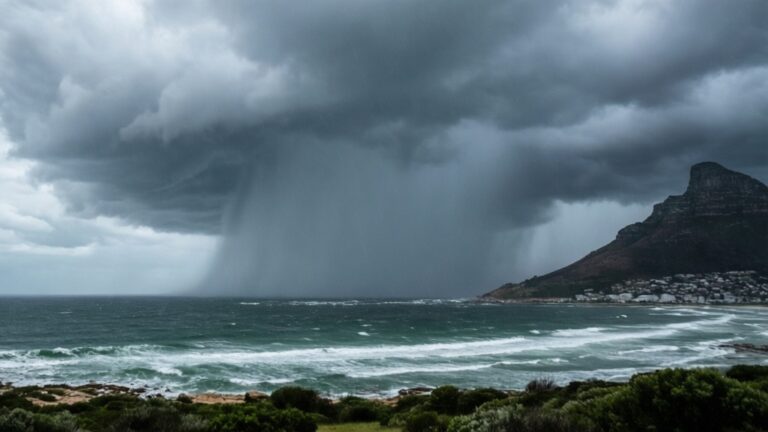
A dark damp patch blooms on your lounge ceiling during a South Easter. It is not just rain-the wind has found a way in. In the Western Cape, wind damage drives most roof repairs, and water rarely travels straight; it enters high, crawls along timber, and drips far from the actual breach.
Why the Cape wind drives roof damage
In the Western Cape, wind damage is the primary driver of roof repairs . We experience speeds exceeding 60km/h on average for nearly fifty days every year . This pressure does more than just push water; it physically moves your roof structure.
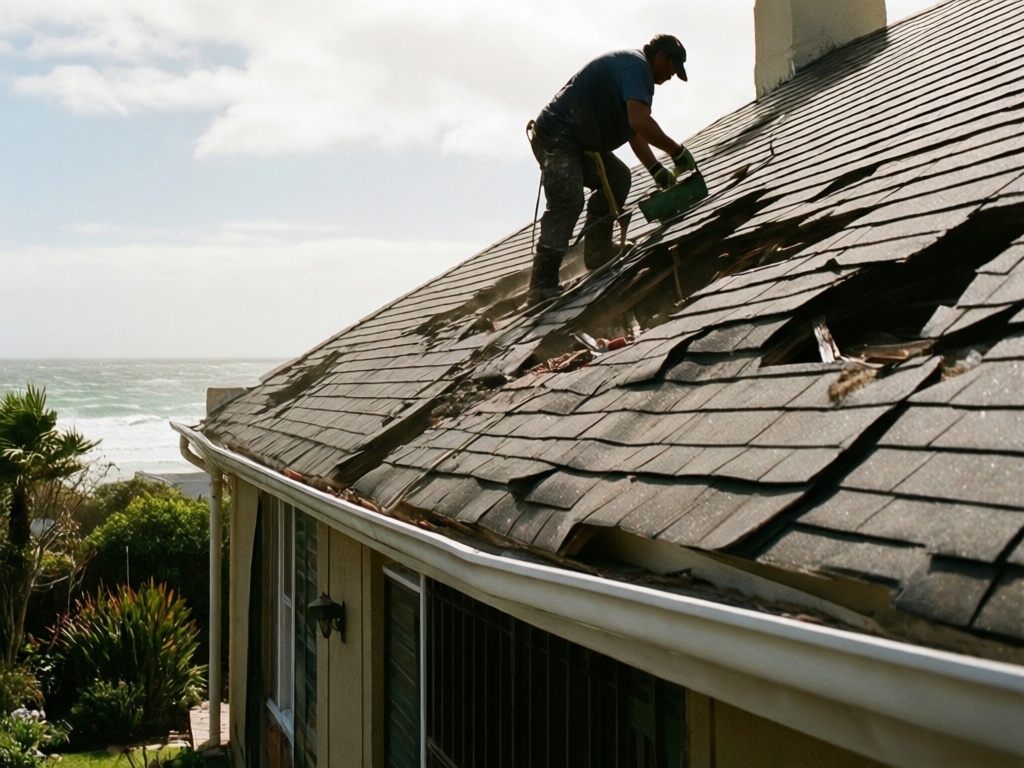
The force acts on every connection point. It dislodges tiles, loosens ridge capping, and shifts screws in IBR or corrugated sheeting . Over time, these small movements create gaps that the next storm will exploit.
How water hides the real entry point
Finding the source of a leak is rarely a matter of looking directly at the wet spot. Water does not follow a straight path from the sky to your floor. It finds any available route through a crack or a loose tile and then begins to move.
The liquid can enter at a high point on your roof and travel along timber rafters or concrete slabs for quite some time . By the time you see a drip in your lounge, the actual breach might be metres away. This makes a simple visual inspection of the ceiling almost useless for finding the true entry point.
If you only focus on where the water emerges, you are chasing shadows. You might patch a spot that looks problematic while the real gap remains wide open elsewhere in the roof structure.
Quick fix or real repair: which trap will you fall into?
The illusion of a fix
A tube of silicone can provide a temporary sense of relief. It stops the drip for a few weeks, but it does not address why the water is there in the first place.
When you smear sealant over a gap, you are often just masking the symptoms. You might think you have solved the leak, but you have actually created a new set of problems. The difference between these two approaches is clear:
- The quick fix relies on surface-level sealants to plug visible cracks or gaps.
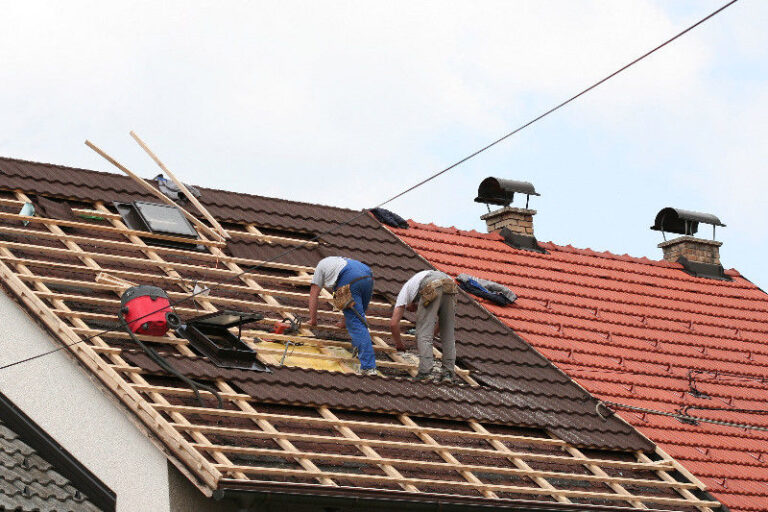
- The real repair addresses structural failures like slipped tiles, loose ridge capping, or degraded flashing.
Smacking sealant over everything is a dangerous habit for any homeowner. It can trap moisture against your roof structure and hide the true extent of the damage .
The cost of hidden moisture
Water does not stay where it enters. It finds paths along timber rafters or concrete slabs, often emerging metres away from the original breach . If you only patch the spot where the ceiling is damp, you are ignoring the entry point.
Trapped moisture is even worse than a visible leak. By sealing a crack without fixing the underlying cause, you allow water to sit against your roof materials. This accelerates rot in timber and corrosion in metal sheets. Eventually, the professional repair becomes much harder and significantly more expensive because the damage has spread beneath the surface .
What thermal fatigue and coastal corrosion add to the problem
The impact of temperature swings
Cape Town roofs endure massive temperature shifts. You see them move from 40°C summer heat to 7°C winter lows .
This constant expansion and contraction creates a cycle of fatigue. Over time, the movement wears down mortar joints and loosens metal sheets.
The threat of salt air
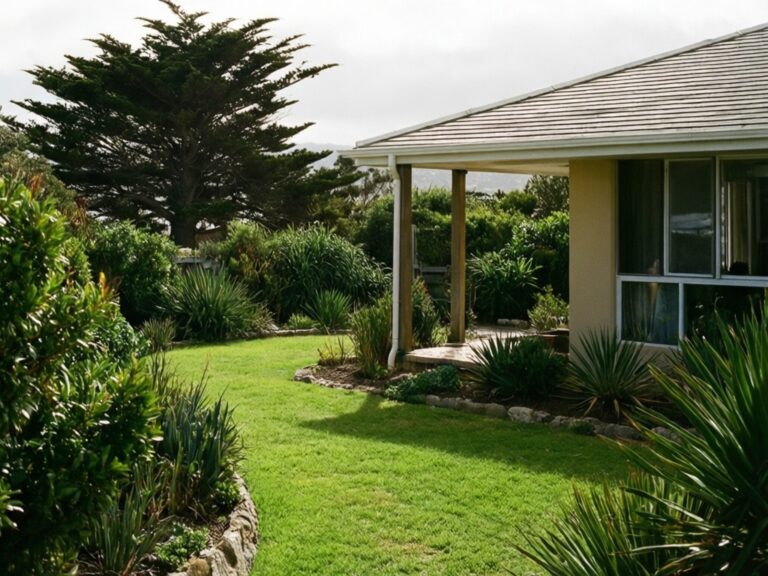
If you live within 5km of the coast in places like Milnerton or Table View, corrosion is your silent enemy. The salt air eats through unprotected metal.
Steel roof sheets must meet specific coating standards to survive this environment. Look for minimums such as AZ 150 or Z275 . If your sheets are already rusting, a simple patch will not save them.
When to call a specialist and which service to trust
Knowing when to call a professional is straightforward; choosing between contractors is less so. The businesses listed below are a representative sample of waterproofing and roofing contractors operating across the Blouberg, Milnerton, Table View, Melkbosstrand and broader northern corridor. Each operates across the full range of common problems described in this guide, including persistent leak detection, flat-roof waterproofing, IBR sheet corrosion, damp migration through walls, and general roof maintenance. Homeowners are encouraged to contact several of them, describe the specific symptoms, and compare assessments before committing to any repair.
- DMH Waterproofing (Durbanville)
- Seans Waterproofing (Durbanville)
- Coastal Painting and Waterproofing (Melkbosstrand)
- Aqua Dampproof (Melkbosstrand)
- Urban Eco Projects (Table View)
- Shean Painters (Table View)
- Duarte Africa Painting (Melkbosstrand)
- Bee Painters & Waterproofers CC (Table View)
- DAMPPROOFPRO (Table View)
- HBC waterproofing
- SHIELD WATERPROOFING & ROOFING (PTY) LTD (Milnerton)
- Southern Waterproofing (Sunningdale)
Before you commit, check your gutters and storm readiness
Before you commit to a major repair, check your How to protect a coastal home from salt, wind and damp strategy. A roof repair is often wasted if the water has nowhere to go once it enters the system.
Ensure your gutters are clear of debris so water can actually reach the downpipes. Blocked gutters cause water to back up under the eaves, forcing moisture into the fascia boards and eventually rotting the very structure you are trying to save.
Do not wait for the first heavy storm to check your tiles. By then, the timber is already rotting.
Frequently asked questions
Why does wind cause so much damage to roofs in Cape Town?
In the Western Cape, wind pressure does more than just push water into gaps; it physically moves the roof structure. This force can dislodge tiles, loosen ridge capping, and shift screws in IBR or corrugated sheeting, creating new entry points for future storms.
Why is it difficult to find the source of a roof leak?
Finding a leak is difficult because water does not follow a straight path from the sky to your floor. It can enter through a crack or loose tile at a high point and travel along timber rafters or concrete slabs, meaning the drip in your lounge might be metres away from the actual breach.
Is using silicone sealant a good way to fix a roof leak?
A tube of silicone may provide temporary relief, but it is often just masking symptoms. Relying on quick fixes can trap moisture against your roof materials, which accelerates timber rot and metal corrosion, eventually making professional repairs much more expensive.
How does the coastal environment affect roofing in the West Coast area?
If you live near the coast in places like Milnerton or Table View, salt air acts as a silent enemy by eating through unprotected metal. To survive this environment, steel roof sheets should meet specific coating standards, such as AZ 150 or Z275, to prevent corrosion.
Source: kwelanga.com, scotchscoreholdings.co.za, sealtekcape.co.za, coastal-painting-waterproofing.co.za, wilcotecapetown.co.za, resource.capetown.gov.za, contractors.capetown