Article re-cap
- South African law gives you the right to select your own panel beater rather than being forced to use an insurer's preferred provider.
- If you choose a workshop outside of the insurer's approved list, you must sign a disclaimer accepting responsibility for the quality of work and any potential complications.
- You should verify that your chosen repairer is SAMBRA accredited, as this is the industry standard recognised by major insurers for safety and quality.
- Insurers cannot unreasonably refuse your chosen workshop provided that the shop meets their required standards.
- If a dispute with your insurer cannot be resolved through negotiations, you can escalate the matter to the Ombudsman for Short-Term Insurance.
An insurance assessor notes your dented wing and cracked bumper, then directs you to a workshop you have never used. You have more choice in this moment than you realise. South African law now gives you the right to select your own panel beater, but the process comes with specific steps you must follow to protect your claim.
Your right to choose a panel beater
The freedom to select your repairer is a standard part of modern South African insurance, but it is not an unconditional right. Insurers are no longer permitted to dictate that you use one specific panel beater or auto body shop [[1]]. This means the choice rests with you, provided you are willing to manage the administrative consequences of that decision.
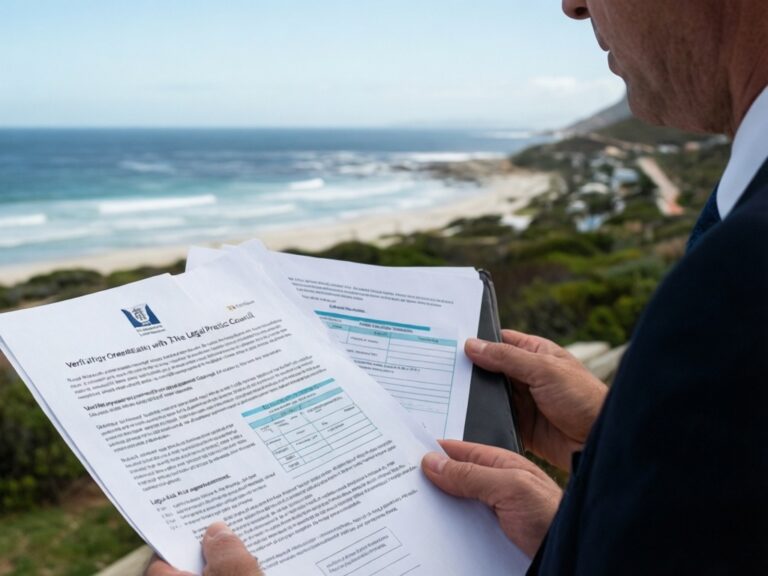
If you decide to bypass the insurer's approved list in favour of a local specialist, you must be prepared for the paperwork. This flexibility is granted only once you have signed a disclaimer and formally accepted responsibility for the quality of work and any potential complications arising from using an unapproved provider [[2]]. You are essentially taking on the risk that the insurer might dispute certain costs or parts of the repair process.
The insurer cannot unreasonably refuse your chosen workshop if you ensure they meet their required standards [[4]]. If you feel a specific shop is being unfairly rejected, do not rely on verbal promises. You should call or write directly to your insurance company's claims manager to document and explain your reasons for selecting that particular provider [[3]].
How to select and confirm your workshop
The paperwork does not stop once the assessor leaves your driveway. To ensure the repair meets both safety standards and insurance requirements, you must follow a specific sequence of verification.
You should manage the following steps in this order:
- Read the damage report carefully. The insurer will receive a document detailing every dented panel and estimated cost, so you must check it to ensure no secondary damage was missed [[5]].
- Verify the workshop accreditation. Check that the shop is SAMBRA accredited, as this is the industry standard recognised by major insurers for quality and safety [[7]].
- Contact your claims manager. If you prefer a specific specialist in Table View or Milnerton, write or call your insurer directly to explain why you have chosen them [[3]].
- Confirm the approval conditions. Ensure your chosen repairer meets the necessary standards so that the insurer cannot unreasonably refuse the claim [[4]].
If you choose a shop that is not on the insurer's approved list, be prepared to sign a disclaimer. This document confirms you are accepting full responsibility for the quality of the work and any complications that might arise from using an unapproved provider [[2]].
Benefits and risks of choosing an unapproved shop
Choosing an unapproved shop offers the benefit of familiarity and trust, especially if you have used a local specialist for years. There is a certain peace of mind in handing your keys to a mechanic you already know and respect.
The administrative trade-off
However, the downside is the administrative burden of the disclaimer and the risk that the insurer may dispute certain parts of the repair cost. You must be prepared to accept full responsibility for the quality of the work if you move away from the insurer's preferred network [[2]].
It is worth remembering that a collision can impact more than just the visible bodywork. After a heavy impact, drivers should have their battery, tyres and other components inspected at a qualified specialist to ensure the vehicle remains roadworthy under the National Road Traffic Act [[6]].
What to do if a dispute arises
Disagreements with an insurer often feel like a dead end, but there is a formal path forward when negotiations fail. If you find that your insurer is refusing to recognise your chosen workshop without valid reason, or if they are disputing the quality of the repairs, you do not have to accept their final word as the only outcome.
You can escalate the matter to the Ombudsman for Short-Term Insurance [[8]]. This office exists specifically to handle complaints regarding how insurance companies manage claims and service standards. It provides a structured way to challenge decisions without the immediate need for expensive legal representation.
The process relies heavily on the evidence you have gathered during the repair period. If the Ombudsman investigates your complaint and rules in your favour, the outcome is not merely a suggestion. Provided that you accept the decision made by the Ombudsman, the insurance provider is legally bound to comply with the ruling [[8]].
After workshop selection
The logistics of leaving your vehicle at a workshop require immediate attention to avoid being stranded without transport. You must confirm whether your policy includes a rental car benefit or if you are responsible for arranging your own temporary mobility. If the repair timeline is uncertain, contact your insurer before the car enters the workshop to establish exactly what coverage applies to your situation.
Once the vehicle is in the care of the panel beater, your focus must shift to the paperwork that protects your claim. Do not rely on digital notifications or verbal promises from the workshop staff. You need a physical or downloaded copy of the damage report and every signed disclaimer you have provided to the insurer [[2]].
Organise these documents into a single dedicated folder so they are ready if a dispute arises with the claims manager or the Ombudsman [[8]]. Having the original assessment and your proof of workshop choice in one place ensures you can respond quickly to any queries regarding the repair's progress or cost. Your next priority is to verify that the completed work meets all safety requirements before the vehicle leaves the shop.
For the full picture, read How to find a car mechanic in Table View and Parklands.
Frequently asked questions
Can I choose my own panel beater for my insurance claim?
Yes, South African law allows you to select your own repairer. However, if you bypass the insurer's approved list, you may need to sign a disclaimer accepting responsibility for the work quality and potential cost disputes. It is important to ensure the shop meets all necessary insurer standards.
What should I check before selecting a repair shop in the West Coast area?
You should first read your damage report carefully to ensure no secondary damage was missed. Crucially, you must verify that the workshop is SAMBRA accredited. If you prefer a specialist in areas like Table View or Milnerton, contact your claims manager directly to explain your choice.
What are the risks of using an unapproved panel beater?
The main risks involve the administrative burden of signing disclaimers and the possibility that your insurer might dispute certain repair costs or parts. By choosing an unapproved provider, you are essentially taking on the risk regarding the quality of work and any resulting complications.
What can I do if my insurance company refuses to recognise my chosen workshop?
If your insurer refuses your choice without a valid reason, you can escalate the complaint to the Ombudsman for Short-Term Insurance. This office provides a structured way to challenge decisions. If the Ombudsman rules in your favour and you accept the decision, the insurer is legally bound to comply.
What paperwork should I keep during the car repair process?
You should maintain a dedicated folder containing a physical or downloaded copy of the damage report and every signed disclaimer provided to your insurer. Having these documents organised is essential if you need to respond to queries from a claims manager or the Ombudsman.
Source: ballitoautobody.co.za, racers.co.za, justmoney.co.za, hjbosch-sons.co.za, prime.co.za, personal.nedbank.co.za, sambra.biz, pineapple.co.za