Article re-cap
- Evie passed all performance tests and 38 Volvo BZRLE 12-metre battery-electric buses are now approved for manufacture.
- The first batch of buses is expected before the end of this year, with remaining deliveries scheduled by the end of March 2027.
- The fleet will serve more than 1.4 million residents across 30 Cape Flats neighbourhoods, including Mitchells Plain, Khayelitsha, Wynberg and Claremont.
- Electric buses reduce diesel price exposure, with the City aiming to deliver more stable and affordable fares for commuters.
- The buses feature locally manufactured bodies and will be fully assembled in South Africa, supporting local jobs and economic growth.
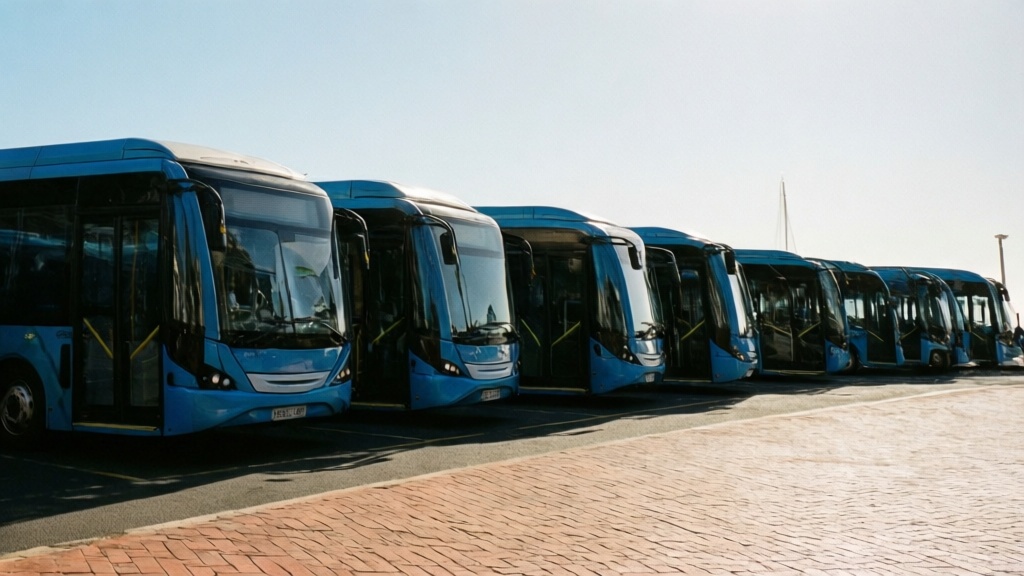
The City of Cape Town has approved the manufacture of 38 battery-electric buses following the successful road testing of its first electric vehicle, known as Evie.
The City of Cape Town announced that the first batch of these vehicles is expected before the end of the year. The remaining deliveries of the 38 Volvo BZRLE 12-metre battery-electric buses are scheduled to be completed by the end of March 2027.
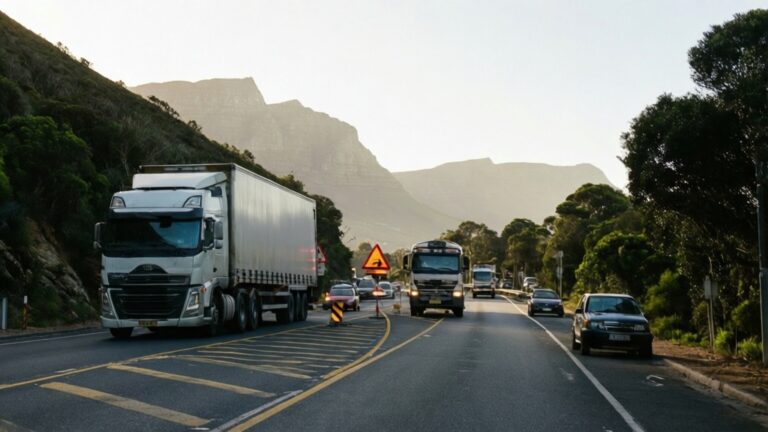
The electric bus, named Evie, underwent testing on various routes including the N2 highway, Polkadraai Road, Jip de Jager Drive, and steep climbs such as Hospital Bend. According to Mayoral Committee Member for Urban Mobility Councillor Rob Quintas, the trials demonstrated that the buses could handle diverse road conditions, including frequent stops in Camps Bay.
The new fleet is expected to support the Cape Flats expansion project, which aims to serve 1.4 million residents across 30 neighbourhoods, including Mitchells Plain, Khayelitsha, Wynberg and Claremont. The City has committed R7.1 billion towards this broader infrastructure programme.
Mayor Geordin Hill-Lewis said the electric buses will make the fleet less susceptible to diesel price changes, which should lead to more stable and affordable fares for commuters. He noted that these are the first electric buses with locally manufactured bodies and will be fully assembled in South Africa to support jobs and economic growth.
The transition to electric transport aims to create a more cost-effective and sustainable public transport system. Councillor Quintas said the buses will undergo further testing upon arrival and drivers will receive specialised training before the vehicles enter service.
MyCiTi continues to record strong passenger growth, with annual ridership having climbed 68% since 2021 to approximately 23 million passenger trips, according to the City's announcement; projections indicate that figure could rise to around 30 million once the Cape Flats routes are fully operational.
This follows earlier local coverage of First MyCiTi Electric Bus Arrives in Cape Town.
Frequently asked questions
How many electric buses has Cape Town approved and when will they arrive?
The City of Cape Town has approved the manufacture of 38 battery-electric Volvo BZRLE 12-metre buses. The first batch is expected before the end of 2024, with remaining deliveries scheduled to be completed by the end of March 2027.
What benefits will the electric buses bring to commuters in Cape Town?
Electric buses will make the fleet less susceptible to diesel price changes, leading to more stable and affordable fares for commuters. The transition aims to create a more cost-effective and sustainable public transport system overall.
Where did the first electric bus Evie undergo testing?
Evie was tested on various routes including the N2 highway, Polkadraai Road, Jip de Jager Drive, and steep climbs such as Hospital Bend. It also demonstrated capability with frequent stops in Camps Bay during the trials.
How will the electric buses support Cape Town's expansion plans?
The new 38-bus fleet is expected to support the Cape Flats expansion project, which aims to serve 1.4 million residents across 30 neighbourhoods including Mitchells Plain, Khayelitsha, Wynberg and Claremont.
What economic benefits are expected from this electric bus programme?
These are the first electric buses with locally manufactured bodies and will be fully assembled in South Africa. This supports local job creation and economic growth while the transition aims to create a more cost-effective public transport system.
Source: capetownetc.com