
Article re-cap
- Cape Town dam levels reached 78 percent on 13 July following heavy rains in May.
- The combined storage of the six Cape Town dams increased by 21.5 percentage points between 4 and 18 May.
- July rainfall in the region was approximately 9 mm, which is roughly a tenth of the long run average of 88 mm.
- The South African Weather Service predicts below normal rainfall for the southwestern Cape through the second half of winter.
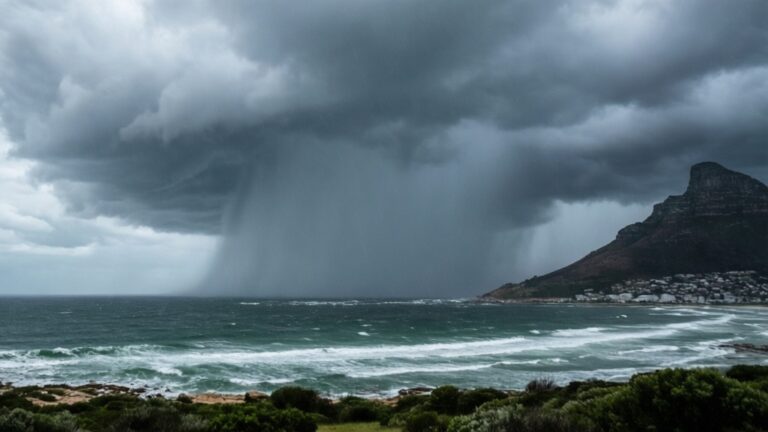
Cape Town's dam levels reached 78 percent on 13 July following heavy May rains, even as the region faces a significantly dry July.
The combined storage of Cape Town's six dams climbed from 47.9 to 69.4 percent between 4 and 18 May. This increase of 21.5 percentage points occurred after cut-off lows stalled over the mountains and delivered a season's worth of rain in a few days.
Rainfall in July has been roughly a tenth of the long-run average, with approximately 9 mm recorded against a normal 88 mm. The seven-day outlook remains dry, and the current dam level of 78 percent is lower than the 82 percent recorded during the same week last year.
A strong El Niño is running in the Pacific, with the Niño 3.4 patch measuring about 2.1C above average on 20 July. While forecasters expect the event to strengthen by spring, reports suggest the link between El Niño and Cape Town's winter rainfall is weak.
The South African Weather Service Seasonal Climate Watch predicts below-normal rainfall for the southwestern Cape through the second half of winter and above-normal temperatures almost everywhere. Higher temperatures may increase evaporation from dams and soil.
Farmers in the Swartland and Overberg face challenges as dryland grain relies on winter rain. A wet May followed by a warm, dry midwinter can make it difficult to carry crops through to harvest.
This follows earlier local coverage of Cape Town water supply rises to 77.63 per cent.
Frequently asked questions
Why did Cape Town's dam levels jump from 47.9 to 69.4 percent in May?
Cut-off lows stalled over the mountains and delivered a season's worth of rain in just a few days during May, causing the combined storage of Cape Town's six dams to rise by 21.5 percentage points.
How dry is July compared to normal rainfall patterns?
Rainfall in July has been roughly a tenth of the long-run average, with approximately 9 mm recorded against a normal 88 mm. The seven-day outlook remains dry with no significant relief expected.
What challenges do farmers in the Swartland and Overberg face this winter?
Dryland grain farmers rely on winter rain. After the wet May, a warm, dry midwinter makes it difficult to carry crops through to harvest, threatening their growing season.
How does El Niño affect Cape Town's winter rainfall outlook?
Although a strong El Niño is running in the Pacific, forecasters report the link between El Niño and Cape Town's winter rainfall is weak. The South African Weather Service predicts below-normal rainfall for the southwestern Cape through the second half of winter.
Source: capetowndamlevels.co.za