Article re-cap
- A legitimate pest control service must employ a Pest Control Operator holding a valid P-Number from the Department of Agriculture, Forestry and the Fisheries.
- All pesticides used by professionals in South Africa must comply with the Fertilizers, Farm Feeds, Agricultural Remedies and Stock Remedies Act of 1947.
- Standard home treatments for pests like ants, cockroaches, or spiders typically cost between R850 and R1,500.
- Professional pest control services should provide a minimum guarantee of three to six months, including follow-up treatments at no extra cost if needed.
- Homeowners generally need to vacate their property for two to four hours following a pest control treatment.
You find ants on your kitchen counter mid-summer. You call a number from a flyer. Two weeks later, they're back, larger and angrier. The problem was never the spray-it was who held it.
Why registration matters more than price
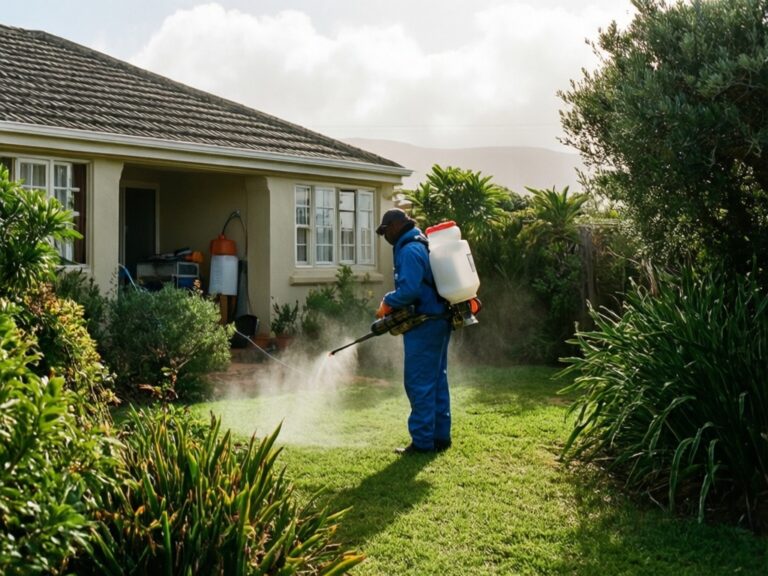
Finding a pest control service is not about finding someone with a sprayer. It is about finding someone with a license. In South Africa, the law is specific. You must look for a registered business employing a Pest Control Operator (PCO) who holds a valid P-Number from the Department of Agriculture, Forestry and a Fisheries (DAFF) . This is not bureaucracy for its own sake. It ensures the person handling toxins knows how to use them without poisoning your family or your soil.
Check the chemicals too. Every pesticide used must comply with the Fertilizers, Farm Feeds, Agricultural Remedies and Stock Remedies Act of 1947 . If a provider cannot tell you which registered products they are using, they are not professionals; they are just amateurs with expensive bottles.
What does a real guarantee look like?
A single spray is rarely a solution. It is merely a pause in the cycle. If you are dealing with common household pests like ants, cockroaches, or spiders, expect to pay between R850 and R1,500 for a standard home treatment .
Managing the lifecycle
A real professional does not just aim to kill what you see today. They look at the environment that allowed them to arrive in the first place. This is why a legitimate service should provide a minimum 3 to 6 month guarantee, with follow-up treatments scheduled at no extra cost if the problem persists .
Some homeowners prefer a single intervention to clear a current issue. Others find more value in maintenance plans. These involve quarterly or bi-annual visits designed to catch new activity before populations can establish themselves .
These recurring plans are harder to manage but often prove cheaper than the cost of reacting to a full-blown infestation later. It is about prevention rather than just response.
When should you book-and how long will you need to leave?
The heat does the work for the pests. In Cape Town, the warmth from October through March drives activity to its peak . This is when you will see the most movement in your kitchen or garden.
Plan for a gap in your day. You generally need to stay out of your house or office for 2 to 4 hours after a treatment . If you are dealing with heavy infestations, that window can stretch much longer depending on the intensity of the chemicals used .
Before they arrive at your door, verify the P-Number
A low price is often a warning sign. When a quote looks too good to be true, it usually means the provider is cutting corners on the things that matter. They might be using unregistered chemicals that do not meet the standards of the Fertilizers, Farm Feeds, Agricultural Remedies and Stock Remedies Act . These low-grade products often fail after the first heavy rain or a change in humidity.
The savings disappear when you realise you are paying for a service that does not work. A cheap quote can also hide a lack of proper registration. You might end up with someone who has no accountability when the treatment fails or causes damage to your property.
Do not wait until they have already started spraying your skirting boards. Verify the P-Number before they arrive at your door in Table View or Bloubergstrand. A professional will have no problem providing their credentials. If they hesitate, do not let them in.
Frequently asked questions
How can I tell if a pest control company in Cape Town is legitimate?
You should verify that the business is registered and employs an operator with a valid P-Number from the Department of Agriculture, Forestry and the Fisheries. A professional will be able to provide these credentials easily; you should check this before they arrive at your home in areas like Bloubergstrand or Table View.
What is the typical cost for a residential pest treatment?
For common household pests such as spiders, cockroaches, or ants, you can expect to pay between R850 and R1,500 for a standard home treatment. Be cautious of quotes that seem too low, as they may indicate the use of unregistered chemicals or a lack of proper professional registration.
How long do I need to stay out of my house after pest control is applied?
You generally need to stay out of your house or office for two to four hours after a treatment has been completed. However, if you are dealing with heavy infestations, this window might be longer depending on the intensity of the chemicals used by the service provider.
When is the best time to treat for pests in the Western Cape?
In Cape Town, pest activity peaks during the warmer months from October through March. Because the heat drives increased movement in kitchens and gardens, it is a critical time to plan for treatments or consider maintenance plans to catch new activity before populations establish themselves.
What should I look for in a pest control guarantee?
A real professional service should offer a minimum three to six month guarantee. This should include scheduled follow-up treatments at no additional cost if the pest problem persists, ensuring that the service addresses the lifecycle of the pests rather than just providing a single spray.
Source: verm-tech.co.za, sapca.org.za, getpestcontrol.co.za, verm-x.co.za, pestmanagers.co.za, tenderbulletins.co.za