
Article re-cap
- The exhibition features around 150 exhibitors, with nearly half from China.
- Bilateral trade between China and South Africa reached 53.58 billion U.S. dollars in 2025, with China remaining South Africa's largest trading partner for 17 consecutive years.
- China's zero-tariff policy for 53 African countries, including South Africa, took effect on 1 May, covering cotton, textile raw materials, and related products.
- First-time exhibitor Zhejiang Huida Textile and Garment Co. reached preliminary cooperation agreements with three South African companies on the opening morning.
- SAFLEC Executive Director Nerisha Jairaj welcomed the zero-tariff policy, describing it as an opportunity for smaller African exporters to access the Chinese market.
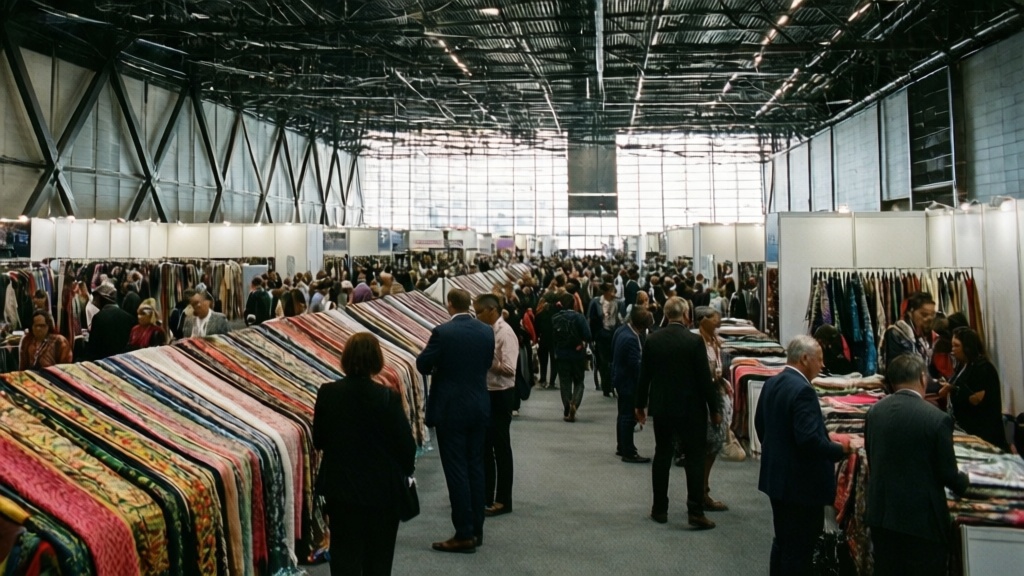
The China Premium Textile South Africa and Allfashion Sourcing 2026 exhibition opened on Tuesday at the Cape Town International Convention Centre to expand bilateral industry cooperation.
The annual event runs from Tuesday to Thursday, serving as a sourcing platform for the textile, apparel, footwear, and fashion industries. The programme features around 150 exhibitors, with nearly half originating from China, alongside fashion shows, thematic forums, and panel discussions.
Chinese Consul-General in Cape Town Ren Faqiang stated that bilateral trade reached 53.58 billion U.S. dollars in 2025. He noted that China has remained South Africa's largest trading partner for 17 consecutive years and said the textile industry is a key sector for market connectivity.
Ren Faqiang reported that a zero-tariff policy for 53 African countries, including South Africa, took effect on May 1. This policy covers South African-grown cotton and textile raw materials, which Ren said will substantially cut export costs for South African textile and garment manufacturers.
Local entrepreneur Ziev Shani, who runs a company providing private-label manufacturing services for South African businesses, expressed belief in the prospects for Chinese and South African companies to work together. Hangzhou Golden Shell Import and Export Co., Ltd. participated in the event for the fourth time, with General Manager Chen Fangli stating the company has established a business in Cape Town and is exploring a factory in Durban.
First-time exhibitor Zhejiang Huida Textile and Garment Co., Ltd. also reported a promising start. Wang Lihong, General Manager of the company, told Xinhua that she spent the morning of the opening day meeting potential clients and reached preliminary cooperation agreements with three South African companies, strengthening her confidence in expanding into both the South African and broader African markets. Wang noted that Chinese textile manufacturers have moved beyond competing solely on low prices, with competitiveness now coming from reliable product quality and continuous innovation.
The South African Footwear and Leather Export Council (SAFLEC) hosted a collective industry pavilion at the exhibition. SAFLEC Executive Director Nerisha Jairaj said China supplies footwear and leather components to more than 50 African countries including South Africa, while South African companies can offer Chinese consumers niche and limited-edition products, making the two sides highly complementary. On the zero-tariff policy, Jairaj said it would create new opportunities for smaller African exporters to enter the Chinese market. "When the major producer and exporter to the rest of the world opens up its doors and says you can bring your products in duty-free... that enables smaller countries and smaller suppliers like us to enter the market," she said.
Frequently asked questions
What is the China Premium Textile South Africa and Allfashion Sourcing 2026 exhibition?
An annual three-day sourcing platform held at the Cape Town International Convention Centre featuring around 150 exhibitors, nearly half from China. The event includes fashion shows, thematic forums, and panel discussions for the textile, apparel, footwear, and fashion industries.
How does China's new zero-tariff policy affect South African textile manufacturers?
The zero-tariff policy, effective from May 1, covers South African-grown cotton and textile raw materials exported to China. According to the Chinese Consul-General, this policy will substantially cut export costs for South African textile and garment manufacturers.
What business opportunities are Chinese and South African companies exploring together?
Chinese companies like Hangzhou Golden Shell are establishing operations in Cape Town and exploring factories in Durban. First-time exhibitor Zhejiang Huida reached preliminary cooperation agreements with three South African companies during the opening day, with both sides recognizing complementary strengths in product quality and niche market offerings.
Why is South Africa strategically important to China's textile industry?
China has been South Africa's largest trading partner for 17 consecutive years, with bilateral trade reaching 53.58 billion U.S. dollars in 2025. The textile industry is identified as a key sector for market connectivity between the two countries.
Source: english.news.cn