
Article re-cap
- Engineer Gareth Ramsay warns that the Cape Town rail network will fail to meet metropolitan growth targets by 2050.
- The National Rail Master Plan aims for two million daily trips by 2052, but the metro population is projected to reach 10 million by 2050.
- The proposed Capetrain Express seeks to provide an express overlay that integrates with the existing Metrorail network at strategic transfer stations.
- Lower income households in Cape Town spend approximately 43 percent of their monthly income, which is under R22 000, on transport costs.
Engineer Gareth Ramsay warns that Cape Town's rail network will not keep pace with metropolitan growth by 2050, even if national rebuilding plans are fully delivered.
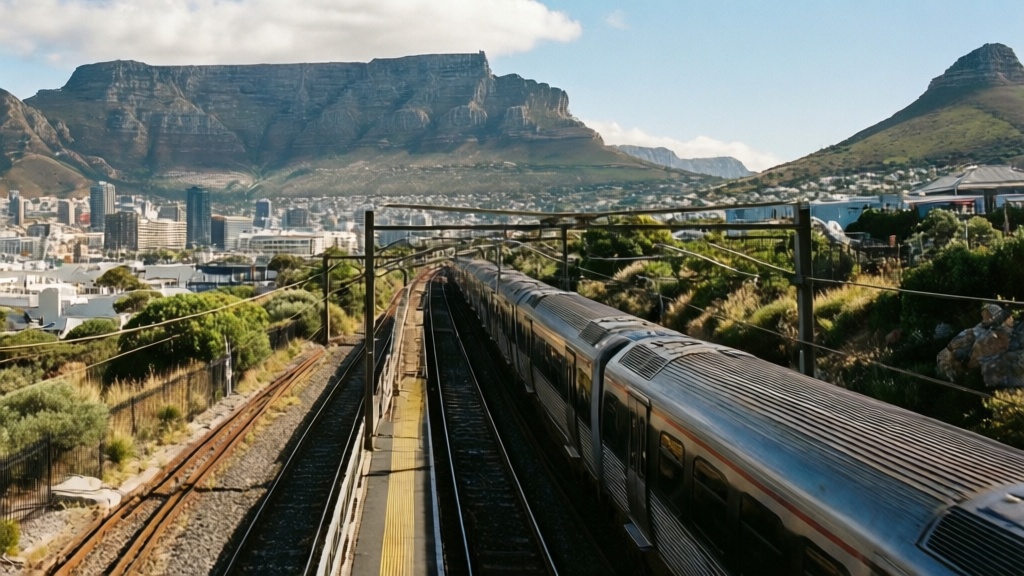
Ramsay, the engineer behind the proposed Capetrain Express, argues that the existing network was designed to move people in a pizza slice pattern to and from the CBD rather than across the city. He suggests an express overlay is needed to complement and integrate with the Metrorail network at strategic transfer stations.
The National Rail Master Plan published in April 2026 aims to increase daily ridership to approximately two million trips per day by 2052. However, Ramsay notes that the metro population is projected to reach around 10 million by 2050, meaning passenger rail capacity would only have slightly more than doubled while the population quadrupled.
The proposed project, sometimes called the Cape Town Skytrain, seeks to revolutionise urban mobility. Ramsay described it as an economic and social project, noting that about 76% of Cape Town households earn under R22 000 a month and lower income households spend close to 43% of that on transport.
The lack of efficient cross city transit impacts residents who travel an average of more than 21 km one way to work. Ramsay stated that the primary factor for individuals moving from private vehicles to public transport is whether a route provides a faster and more convenient destination arrival.
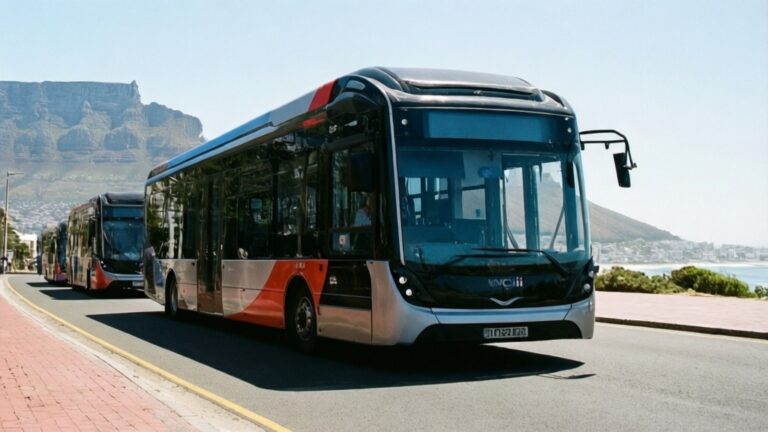
Current programmes like MyCiti only assist once commuters are already inside certain regions or business districts. Ramsay noted that city densification policies will increase pressure on transport because added residents cannot be moved by road alone.
Frequently asked questions
Why does engineer Gareth Ramsay say the current Metrorail network is inadequate for Cape Town's future?
Ramsay argues the existing network was designed to move people in a pizza slice pattern to and from the CBD rather than across the city. Even if national rebuilding plans succeed, the rail capacity will only slightly more than double while the metro population is projected to quadruple to 10 million by 2050.
What is the Capetrain Express and why is it needed?
The proposed Capetrain Express, also called the Cape Town Skytrain, is an express overlay system designed to complement and integrate with the existing Metrorail network at strategic transfer stations. It aims to provide faster cross-city transit to revolutionise urban mobility across the metropolitan area.
How does transport cost affect lower-income households in Cape Town?
Approximately 76% of Cape Town households earn under R22 000 a month, and lower-income households spend close to 43% of their income on transport. Many residents travel more than 21 km one way to work, making efficient cross-city transit critical to household budgets.
What factor does Ramsay identify as most important for moving people from private vehicles to public transport?
Ramsay states that the primary factor for individuals switching from private vehicles to public transport is whether a route provides faster and more convenient destination arrival. Current programmes like MyCiti only assist once commuters are already inside certain regions or business districts.
Source: cbn.co.za