Article re-cap
- The Paradigm is a 135 metre mixed use skyscraper currently under construction in the Cape Town CBD.
- The project features 240 residences and incorporates advanced sustainable technology including a water recycling system.
- Construction crews archived three 18th century wells from a Dutch East India outpost using laser recording techniques.
- A blockchain ledger is used within the building to track kilowatt hours and allow residents to trade surplus solar power.
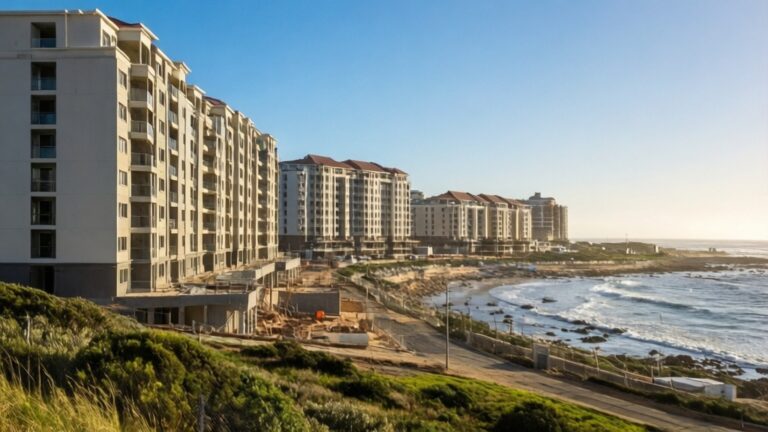
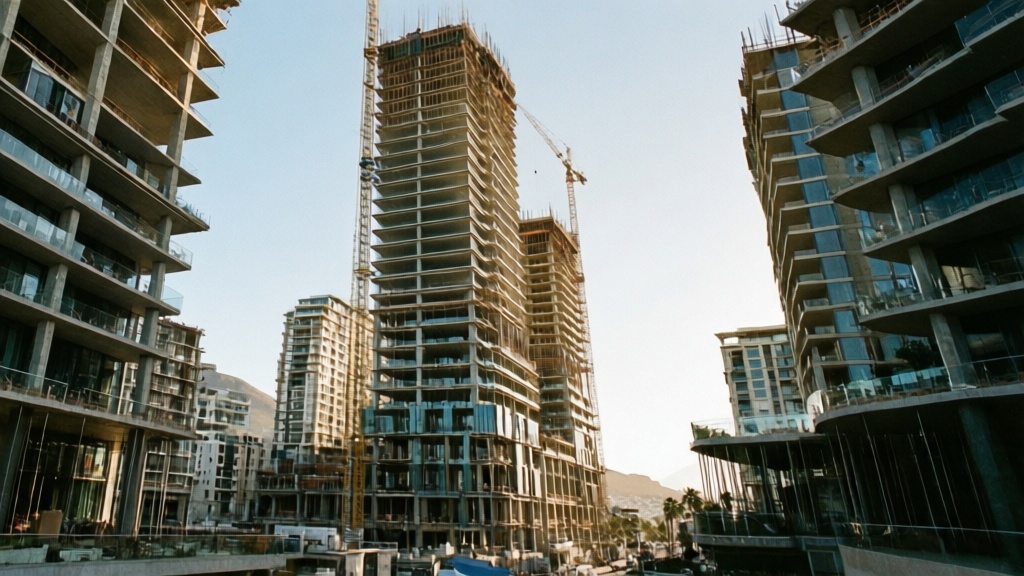
A 135-metre mixed-use skyscraper known as The Paradigm is currently under construction in the Cape Town CBD, featuring 240 residences and advanced sustainable technology.
The project, which cost R1 billion, involves a 1,850 square metre footprint situated between heritage walls and a sloping site. Construction crews previously spent two years working underground, during which they removed and archived three 18th-century wells from a Dutch-East-India outpost using laser recording.
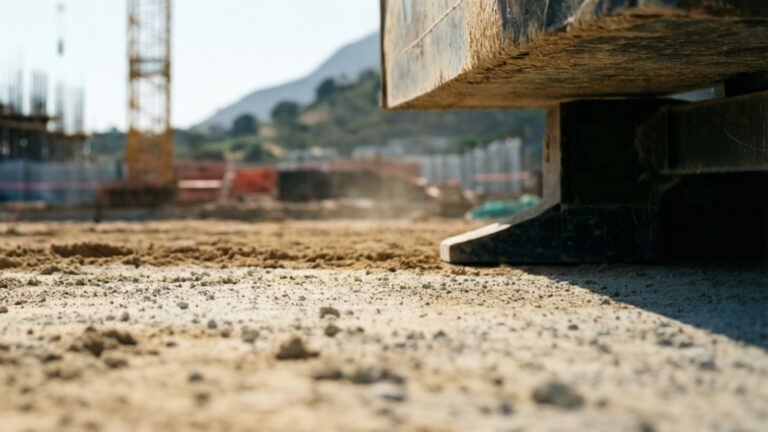
Engineers used a stepped concrete raft pinned by 20 m rock anchors to manage the northwest tilting bedrock. To protect historic Bree Street facades, micro-piles and stainless-steel needles were used to prevent settlement during underpinning works.
The tower incorporates smart mechanical systems, including three mechanical attics on floors 10, 20, and 30 that house modular heat-pumps and lithium-iron-phosphate batteries. These batteries are sized for 90 minutes of full-building autonomy, allowing the scheme to switch from grid to island mode in under 300 milliseconds.
Sustainability features include a water recycling system that polishes 65 kilolitres of water daily for irrigation and toilet flushing, which is expected to save 42 percent of annual demand. The building also uses a blockchain ledger to track kilowatt-hours, allowing residents to trade surplus solar power.
Logistics at the site involve a custom lane-closure plan informed by a year of drone and loop-detector data. Concrete trucks arrive at 03:00 on alternate Tuesdays, with a drone tracker used to reduce off-load times from twelve minutes to seven minutes.
Frequently asked questions
What makes The Paradigm's sustainable design different from typical Cape Town buildings?
The Paradigm uses lithium-iron-phosphate batteries sized for 90 minutes of full-building autonomy, allowing it to switch from grid to island mode in under 300 milliseconds. A water recycling system polishes 65 kilolitres daily for irrigation and toilets, saving 42 percent of annual water demand. Residents can also trade surplus solar power using a blockchain ledger.
How did construction crews preserve the heritage features on the Bloubergstrand CBD site?
Over two years of underground work, crews removed and archived three 18th-century wells from a Dutch-East-India outpost using laser recording. To protect historic Bree Street facades, micro-piles and stainless-steel needles were used during underpinning to prevent settlement damage during construction.
What engineering challenges did The Paradigm's construction team face with the site?
The 1,850 square metre footprint sits between heritage walls on a sloping site with northwest-tilting bedrock. Engineers used a stepped concrete raft pinned by 20 metre rock anchors to manage the ground movement. The site's constraints required specialized techniques to support a 135-metre structure safely.
How does The Paradigm manage construction logistics in the busy Cape Town CBD?
A custom lane-closure plan was developed using a year of drone and loop-detector data. Concrete trucks arrive at 03:00 on alternate Tuesdays to minimize traffic disruption. Drone tracking was implemented to reduce off-load times from twelve minutes to seven minutes per delivery.
Source: capetown.today