Article re-cap
- Table Bay Nature Reserve covers seven distinct parts including Rietvlei Wetlands, Milnerton Lagoon, and the Diep River area.
- Spring migrant wader arrivals can reach 10,000 birds, making it the peak time to visit.
- The Old Friends Hide overlooks seasonal pans; the Sunset Hide overlooks the southern deep water lake.
- Weekday opening hours are 07:30 to 17:30; weekend hours are 09:00 to 17:00; adult entrance fee is R16.
- Table Bay Nature Reserve covers seven distinct parts including Rietvlei Wetlands, Milnerton Lagoon, and the Diep River area.
- Spring migrant wader arrivals can reach 10,000 birds, making it the peak time to visit.
- The Old Friends Hide overlooks seasonal pans; the Sunset Hide overlooks the southern deep water lake.
- Weekday opening hours are 07:30 to 17:30; weekend hours are 09:00 to 17:00; adult entrance fee is R16.
A Great White Pelican breaks the mist on the southern deep water lake at dawn. Finding it and the dozens of other species hidden across this reserve means knowing which habitat to visit and when, not just showing up at the gate.
How the reserve breaks into seven distinct habitats
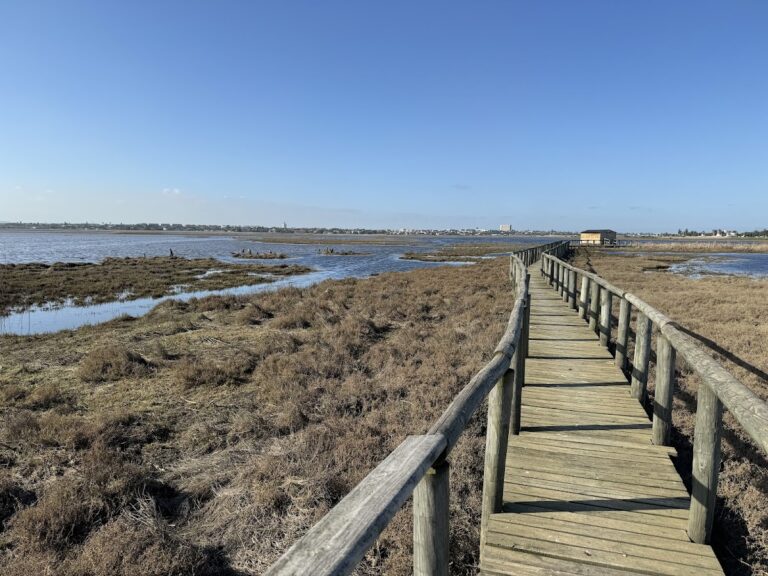
The Table Bay Nature Reserve is not a single, uniform patch of land. It is a complex system of seven distinct parts. These include the Rietvlei Wetlands, Milnerton Lagoon, Milnerton Beach, Milnerton Racecourse, Zoarvlei Wetlands, and the Diep River area.
Each section functions as a separate ecological unit. The importance of this system is reflected in its ranking; Rietvlei has been identified as the sixth most important coastal wetland in South Africa for waterbirds.
Which hide to use for which birds
Effective birdwatching requires matching your position to a specific ecological niche. If you look in the wrong place, you will find only empty reeds.
The reserve provides two primary structures for observation. The Old Friends Hide overlooks the seasonal pans, which offer a different vantage point than the permanent deep water. For those seeking views of the southern deep water lake, the Sunset Hide is the necessary location.
If your goal is to find more elusive species, you must move away from these open water structures. The Giant Kingfisher is restricted to the riverine habitat upstream where the Diep River enters the Rietvlei wetlands. This area contains dense reed beds that also serve as one of the better locations for finding the Marsh Owl.
When to visit for spring migrants, year-round residents, and threatened species
The seasonal rhythm of the reserve dictates what you will see during a visit. The site is designated as an Important Bird Area (IBA) because it serves as a critical stopover for migratory species.
Spring arrival marks the most significant biological event in the reserve. During this period, migrant waders arrive in massive numbers, with populations sometimes reaching 10,000 birds.
Resident and threatened species
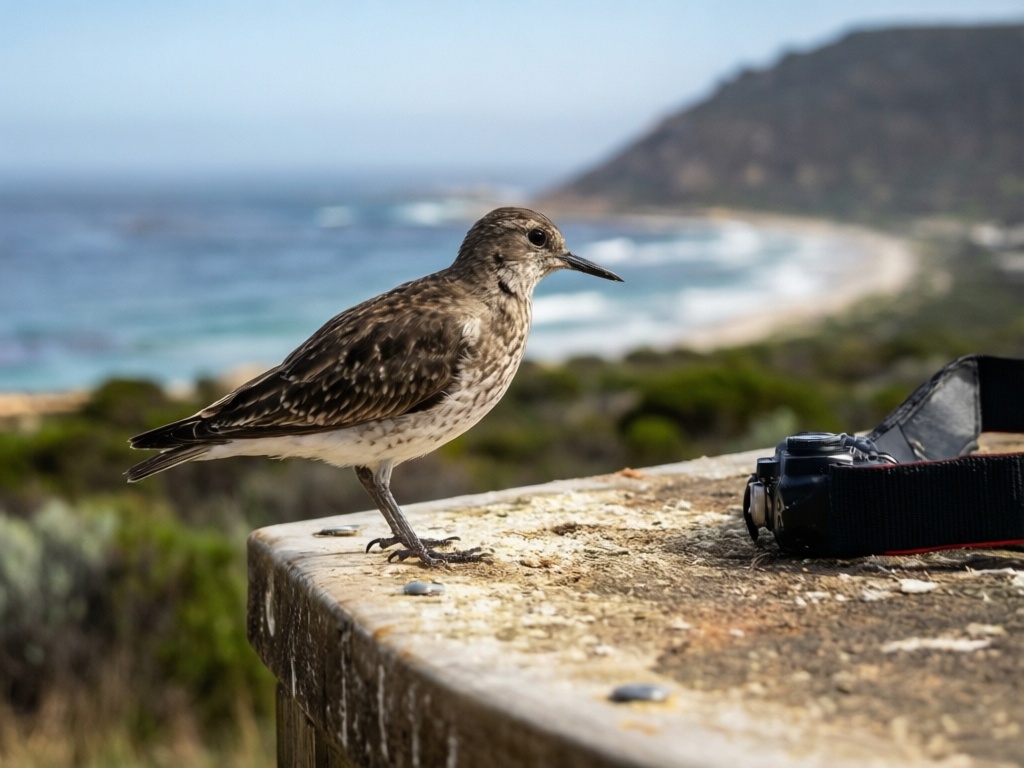
Other species do not rely on these seasonal migrations and remain present throughout the year. You can regularly observe year-round residents such as the Red-knobbed Coot, Common Moorhen, and Little Grebe.
The reserve also provides a vital habitat for several threatened species. This includes the Greater Flamingo, Lesser Flamingo, and Great White Pelican.
Opening hours and entrance fees
Access to the reserve is governed by a fixed schedule maintained by the City of Cape Town. On weekdays, the gates open at 07:30 and close at 17:30, while weekend hours are slightly later, beginning at 09:00 and ending at 17:00.
The cost of entry is a flat rate of R16 for adults. Because these operating hours are set by municipal management, these hours are fixed and do not vary by season. Planning your arrival around these specific windows ensures you have enough daylight to navigate the hides and observe the habitats before the gates close.
The reserve entrance is at the southern end of Greyling Street, Milnerton. You can contact the reserve by telephone on 021 444 0315 or by email at [email protected].
For the full picture on the wider network, read the Guide to Cape Town West Coast nature reserves. Success in birding comes from respecting the boundaries of each habitat; the birds do not move to suit your schedule, so you must move to suit theirs.
Frequently asked questions
Where is the entrance to Table Bay Nature Reserve?
The reserve entrance is at the southern end of Greyling Street, Milnerton.
What are the opening hours?
On weekdays the gates are open from 07:30 to 17:30. On weekends and public holidays the hours are 09:00 to 17:00.
How much does it cost to enter?
The adult entrance fee is R16.
When is the best time to visit for birdwatching?
Spring is the peak season, when migrant waders arrive and congregations can reach 10,000 birds. Year-round residents such as Red-knobbed Coot, Common Moorhen, and Greater Flamingo are present throughout the year.
How do I contact the reserve?
You can call 021 444 0315 or email [email protected].
Which hides are available?
The Old Friends Hide overlooks the seasonal pans and the Sunset Hide overlooks the southern deep water lake.
Frequently asked questions
Where is the entrance to Table Bay Nature Reserve?
The reserve entrance is at the southern end of Greyling Street, Milnerton.
What are the opening hours?
On weekdays the gates are open from 07:30 to 17:30. On weekends the hours are 09:00 to 17:00.
How much does it cost to enter?
The adult entrance fee is R16.
When is the best time to visit for birdwatching?
Spring is the peak season, when migrant waders arrive and congregations can reach 10,000 birds. Year-round residents such as Red-knobbed Coot, Common Moorhen, and Greater Flamingo are present throughout the year.
How do I contact the reserve?
You can call 021 444 0315 or email [email protected].
Which hides are available?
The Old Friends Hide overlooks the seasonal pans and the Sunset Hide overlooks the southern deep water lake.
Source: birdlife.org.za, sa-venues.com, capebirdclub.org.za, birda.org