Article re-cap
- Dozens of anti-immigration protesters marched through the Cape Town CBD in heavy rain, with organisers insisting the message mattered more than the turnout.
- The march began outside St George's Cathedral, which distanced itself from the event, and proceeded along Long Street, Loop Street and Barrack Street before ending at Parliament.
- The memorandum demanded an immediate freeze on all foreign visa and permit processing and a full audit of permits, with a 14-day deadline for a government response.
- A Long Street worker, Mpho Mapai, who has lived in Cape Town for 33 years, was targeted by protesters over his appearance but said he supported the march.
- March and March has announced weekly protests for the next six months, and Cape Town leader Charlie Roux said she was glad migrants were leaving the country.
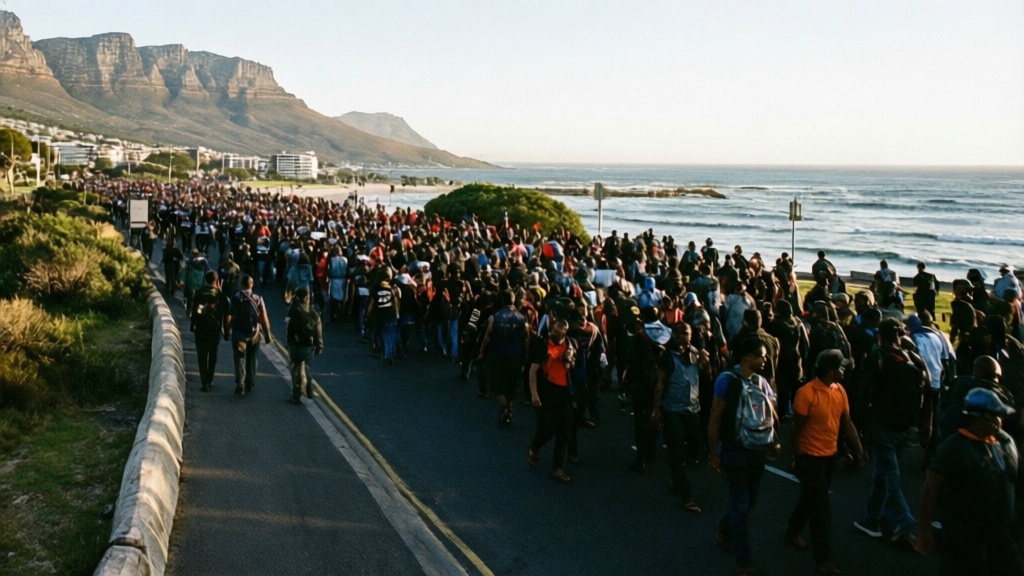
Members of March and March, Operation Dudula, and LACO marched through the Cape Town CBD on Thursday to demand stronger immigration enforcement from the Department of Home Affairs.
Turnout was sparse, with dozens of protesters making their way through the CBD in pouring rain under heavy police guard. LACO spokesperson Alvaro Singh said: "The numbers are not so huge, but the numbers are not the issue because it is the message that is carrying forth."
The group gathered outside St George's Cathedral before marching up Long Street. St George's Cathedral had issued a statement the previous day clarifying that it had "not authorised, endorsed, organised, or granted permission for this event".
The demonstrators marched up Long Street and looped back onto Loop Street, where a brief standoff with police over marching lines occurred, before proceeding to the Department of Home Affairs on Barrack Street to hand over a memorandum. The final stop was the gates of Parliament, where protesters sought a response to a memorandum they say was submitted two weeks earlier and had not been addressed. The crowd dispersed at around 14:00.
Although smaller than previous demonstrations, organisers said the turnout did not reflect the level of support for their campaign. A Home Affairs official accepted and signed the memorandum on behalf of the department.
March and March Cape Town leader Charlie Roux stated that the campaign targets all undocumented foreign nationals regardless of race or nationality. Roux said the group intended to dispel misconceptions that they were only targeting black African nationals from countries such as Zimbabwe and Nigeria.
We are coming for every undocumented foreigner who is in the country illegally. It does not matter the colour of their skin,
Organisers also urged the Department of Home Affairs to intensify efforts to identify and deport undocumented individuals. Roux noted that the march focused on Long Street because she claimed, without providing evidence, that "the clubs, the restaurants... it's only foreign, mostly foreign nationals working on them".
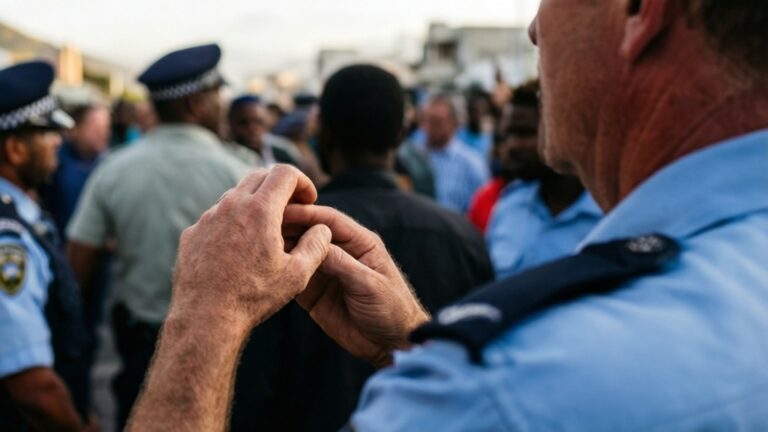
The groups argued that undocumented migrants contribute to crime, unemployment and pressure on public services, though these claims remain contested. Dozens of SAPS vehicles, including a Nyala and a water cannon truck, were present throughout the march. Some businesses on Long Street temporarily closed their doors. As the group moved through the streets, protesters pointed at people they perceived to be foreign and told them to go home. One Long Street shop worker, Mpho Mapai, who has lived in Cape Town for 33 years, described being targeted by protesters who pointed at him and asked when he was going home, and said someone had asked to check his ID in the lead-up to the national protests on 30 June. Despite being targeted over his complexion, Mapai supported the anti-immigrant protests, saying: "The march is good. It's going to have good results, and I know some people get offended, but it's not supposed to be [offensive]. It's about South Africans making sure that they get what they deserve." Singh defended protesters targeting bystanders, claiming the marchers were "retaliating" to provocation.
When asked about migrants leaving South Africa ahead of and since the 30 June protests, Roux said: "I'm glad. I wish they could leave more in numbers, in bigger numbers." March and March and its national leader Jacinta Ngobese-Zuma have announced weekly protests for the next six months.
The groups argued that undocumented migrants contribute to crime, unemployment, and pressure on public services, though these claims remain contested. The South African Police Service maintained a presence during the protest as some businesses temporarily closed their doors. The government has consistently maintained that immigration enforcement must take place within the law and has warned against vigilantism and xenophobic intimidation.
This follows earlier local coverage of Cape Town protest demands removal of undocumented nationals.
Frequently asked questions
What groups organized the Cape Town CBD march on Thursday?
March and March, Operation Dudula, and LACO organized the march through the Cape Town CBD. The groups walked along Long Street before visiting the Department of Home Affairs and Parliament to hand over a memorandum demanding stronger immigration enforcement.
What specific demands did the marchers include in their memorandum?
The memorandum requested a full digital audit of business permits, work permits, trading permits, and asylum documents issued in recent years. The groups demanded immediate cancellation of all permits obtained through bribery or fake documents and called for intensified efforts to identify and deport undocumented individuals.
What did March and March leader Charlie Roux say about the march's focus?
Roux stated the campaign targets all undocumented foreign nationals regardless of race or nationality. She emphasized the group intended to dispel misconceptions that they were only targeting black African nationals from specific countries like Zimbabwe and Nigeria.
Why did March and March choose Long Street for the march route?
Roux claimed Long Street is taken over by foreign nationals running businesses, making it significant for the march route. The demonstrators walked along this street before proceeding to the Department of Home Affairs and Parliament.
Source: iol.co.za, news24.com