Article re-cap
- The City of Cape Town has approved two massive hyperscale data centres that will draw approximately 174 megawatts once they are fully operational.
- The approved 174MW load represents nearly half of the current installed data centre capacity on the African continent.
- Large scale data centres can use up to 19 million litres of water per day for cooling purposes.
- Meeting the projected electricity load from these facilities will require increased generation, transmission, and storage capacity in the region.
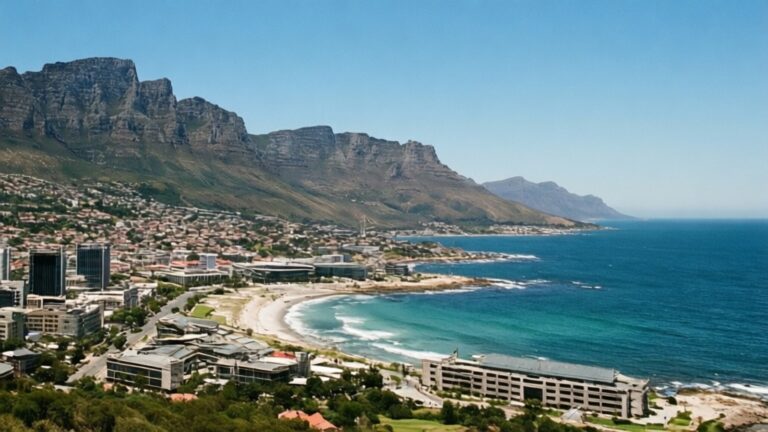
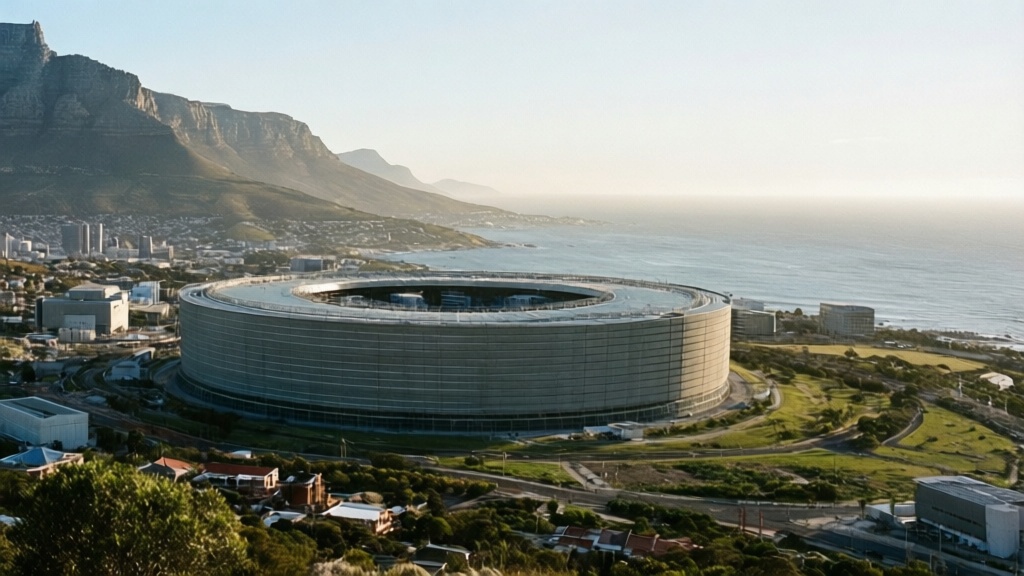
The City of Cape Town has approved two hyperscale data centres that will draw approximately 174 megawatts once fully operational.
The approval for the pair of facilities places them among the largest new individual grid loads to reach an African electricity system, according to a report by iAfrica.
Neither the developers nor the tenant hyperscalers were disclosed in the announcement. The 174MW approval represents close to half of the current installed data-centre capacity on the continent.
The scale of the project highlights how Africa's expansion into artificial intelligence is increasingly becoming an energy sector challenge. Large data centres can use up to 19 million litres of water per day for cooling, which is equivalent to the daily use of a town of 10,000 to 50,000 people.
For the Cape Town region, the approval brings renewed focus to electricity reliability and water scarcity concerns. Meeting the projected load will require increased generation, transmission, and storage capacity.
Frequently asked questions
How much power will the two new data centres use in Cape Town?
The two hyperscale data centres approved by the City of Cape Town will draw approximately 174 megawatts once fully operational. This represents close to half of the current installed data-centre capacity on the entire African continent.
What are the water implications of these data centres for the region?
Large data centres can use up to 19 million litres of water per day for cooling purposes, equivalent to the daily water consumption of a town of 10,000 to 50,000 people. This raises concerns for Cape Town's water scarcity challenges.
Why is this data centre approval significant for Africa's technology sector?
The approval highlights how Africa's expansion into artificial intelligence is becoming an energy sector challenge. The 174MW draw places these facilities among the largest new individual grid loads to reach an African electricity system.
What infrastructure upgrades will be needed to support these data centres?
Meeting the projected 174MW load will require increased generation, transmission, and storage capacity on the City's electricity network, placing renewed focus on infrastructure reliability.
Source: iafrica.com