
Article re-cap
- In South Africa, an electrician must be registered with the Department of Employment and Labour to ensure their work is legal.
- A valid Wireman's Licence is required for an electrician to issue a Certificate of Compliance (COC) that proves an installation is safe.
- An installation electrician is the appropriate professional for most standard home repairs, inspections, and new circuits.
- Always request a written quote that clearly separates the cost of materials from the labour charge to avoid unexpected costs.
- A Certificate of Compliance is generally valid for two years, but it becomes invalid for specific parts of an installation if you add new circuits or equipment.
You are standing by the distribution board, staring at a new plug point or freshly installed light fitting, wondering if you can flip the switch without disaster. Before anyone touches your wires, you need to confirm they are legally allowed to sign off on the work.
Why registration matters for electrical work
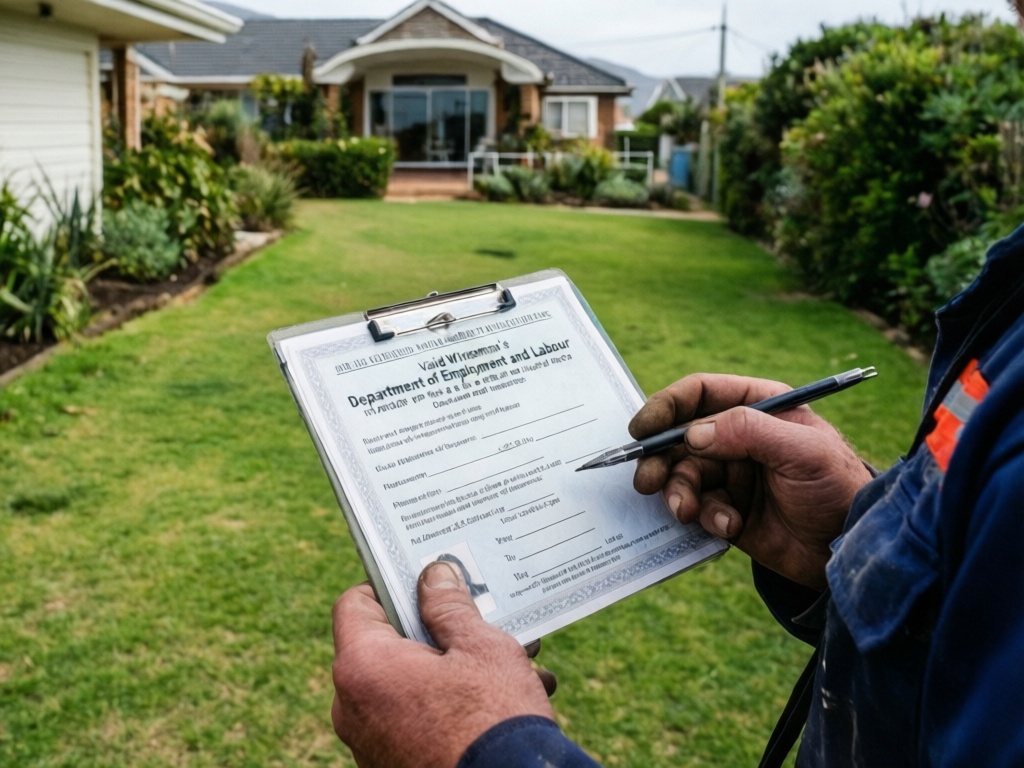
Before anyone touches your wires, you need to confirm they are legally allowed to sign off on the work. In South Africa, an electrician must be registered with the Department of Employment and Labour. This is not just a suggestion; it is what makes their work legal.
You are specifically looking for someone who holds a valid Wireman's Licence. This licence is what gives them the authority to issue a Certificate of Compliance, or COC, which is that vital piece of paper proving the installation is safe and meets regulation. A handyman might be great at fixing a light fitting, but they cannot provide this certificate.
There are different levels of registration, so do not get confused by the titles. You might see an electrical tester for single phase, an installation electrician, or a master installation electrician. For most home repairs or new circuits, you want an installation electrician, as they are authorised to inspect and certify most standard installations, excluding more specialised setups.
If you are doing something brand new, like adding a circuit, that work must be certified before it is even energised or used.
What levels of electrician registration exist?
Understanding the different registration levels
The titles you see on a business card can be a bit confusing, so it helps to know what they actually mean for your home. There are three main categories of registered persons when someone registers with the Department of Labour.
First, you might come across an electrical tester for single phase. These professionals have a more limited scope than the others. You are generally looking for an installation electrician, as they are registered to handle the verification, testing, and inspection of most standard electrical installations [[cite:3]].
Then there is the master installation electrician, which represents the highest level of registration in this group. For your typical house repairs or adding a new light fitting, an installation electrician is exactly who you need to ensure the work is legally certified and safe.
What happens if you hire someone without credentials?
Checking these credentials helps you avoid the nightmare of an invalid COC. If a handyman does the work but cannot issue a legitimate certificate, your insurance might refuse a claim if a fire occurs, and you will certainly run into trouble when trying to sell your house.
It is worth a quick phone call to confirm their licensing, their service area, and whether they can handle emergencies. When you get that quote, make sure it is in writing and that the cost of materials is listed separately from the labour.
What to confirm before hiring and what to ask for in writing?
A quick phone call can save you a massive headache later on. Before you agree to anything, ask them directly if they are registered with the Department of Employment and Labour. You also want to be sure they can actually issue a Certificate of Compliance for your specific job, so check that they hold a valid Wireman's Licence. It is worth asking about their service area too, just so you do not find out halfway through the job that they do not cover your part of Blouberg.
While you have them on the line, ask if they handle emergency call-outs. Knowing whether they can show up when a circuit trips at midnight is useful for peace of mind. Once you move past the initial chat, make sure everything is documented. Always request a written quote that clearly separates the cost of materials from the labour charge. This prevents any nasty surprises when the final invoice arrives and makes it much easier to track what you are actually paying for.
How long is a Certificate of Compliance valid?
A Certificate of Compliance is generally valid for two years. However, that clock resets the moment you change something significant in your home's setup. If you decide to add a new circuit, replace your distribution board, or even install a pool pump, your old certificate no longer covers those parts of the installation.
It is worth keeping a digital folder with every certificate and written quote you receive. Having these files ready on your phone or laptop makes life much easier when the transfer papers arrive for a property sale.
For the full picture, read How to hire a plumber, electrician or gas installer.
Frequently asked questions
How can I tell if an electrician is legally qualified to work on my home?
You should confirm that the electrician is registered with the Department of Employment and $text{Labour}$ and holds a valid Wireman's Licence. This licence allows them to legally issue a Certificate of Compliance, which is essential for proving your electrical installation meets all safety regulations.
What is the difference between an installation electrician and other registration levels?
There are different levels including electrical testers for single phase, installation electricians, and master installation electricians. For most standard residential repairs or adding new light fittings in areas like Bloubergstrand, an installation electrician is the correct professional to handle verification, testing, and inspection.
What are the risks of hiring a handyman instead of a registered electrician?
While a handyman might fix a light fitting, they cannot issue a Certificate of Compliance. Without a legitimate COC, your insurance provider might refuse a claim if an electrical fire occurs, and you may face significant legal or financial complications when trying to sell your property.
Does a Certificate of Compliance stay valid forever?
A Certificate of Compliance is generally valid for two years. However, the validity resets for specific parts of your installation if you make significant changes, such as adding a new circuit, replacing a distribution board, or installing a pool pump in your home.
What should I ask an electrician before they arrive at my house?
You should call to confirm they are registered with the Department of Employment and Labour and can issue a COC. It is also wise to check if they cover your specific area in Blouberg, if they handle emergency call-outs, and to request a written quote separating labour and materials.
Source: electrical-compliance-certificate.co.za, greenbuildingafrica.co.za, tdmi.co.za, fonster.co.za, electricianelectricians.co.za, abacassolution.co.za