Article re-cap
- Three radiological contamination incidents occurred at Koeberg Nuclear Power Station during maintenance work on Unit 2 between 30 June and 7 July, triggered by power interruptions affecting ventilation systems.
- The Ministry of Electricity and Energy and officials sought to allay public fears, stating no radioactive material escaped into the environment and that affected workers did not require medical treatment.
- SAFCEI has raised concerns about insufficient monitoring within the containment walls and opposes the 20-year licence extension for Unit 2 that the National Nuclear Regulator approved in November last year.
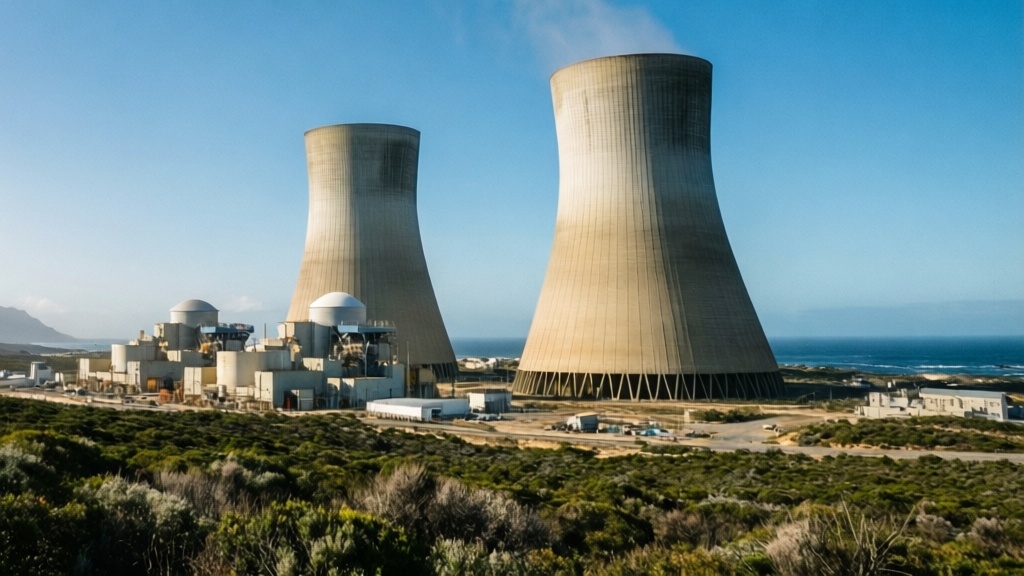
The Southern African Faith Communities' Environment Institute has expressed safety concerns regarding the Koeberg Nuclear Power Station following three recent radiological contamination incidents.
Three contamination incidents occurred during maintenance work on Unit 2 of the facility between 30 June and 7 July. Authorities stated that power interruptions triggered the incidents, which affected ventilation systems and caused elevated airborne contamination inside the reactor building.
Officials insisted there was no threat to surrounding communities because no radioactive material escaped into the environment. Workers involved were exposed to low levels of radiation that did not require medical treatment, according to the report.
The Ministry of Electricity and Energy sought to allay public fears following the incidents, emphasising that the contamination remained contained within Unit 2's reactor building and that surrounding communities faced no risk. The National Nuclear Regulator, which approved a 20-year licence extension for Unit 2 in November last year, is investigating the recent incidents at the facility.
SAFCEI has repeatedly flagged reservations about the nuclear reactor and raised concerns regarding monitoring capabilities. The group argued that the licence extension, approved in November last year, should not have been granted.
There isn't sufficient monitoring within the containment walls, which means when an incident happens, it's very difficult for them to detect it. We feel that Unit 2 should never have been given its licence extension, the group said.
This follows earlier local coverage of Three Koeberg contamination events contained at plant.
Frequently asked questions
What caused the three contamination incidents at Koeberg Unit 2?
Power interruptions triggered the incidents between 30 June and 7 July. These interruptions affected ventilation systems in the reactor building, which caused elevated airborne contamination inside Unit 2 during maintenance work.
Did any radioactive material escape into the environment?
No. Authorities confirmed that no radioactive material escaped into the environment. The contamination remained contained within Unit 2's reactor building, and surrounding communities faced no risk.
Why is SAFCEI concerned about Koeberg's licence extension?
SAFCEI argues that Unit 2 should not have been granted its 20-year licence extension, approved in November last year. The group says there is insufficient monitoring within the containment walls, making it very difficult to detect incidents when they occur.
What happened to workers exposed during the contamination incidents?
Workers involved were exposed to low levels of radiation that did not require medical treatment, according to the official report.
Source: ewn.co.za