Article re-cap
- Furniture retailers in Blouberg and Table View are often located along main routes like Blaauwberg Road or near local shopping hubs.
- When buying mattresses, it is vital to check that they meet SABS flammability standards for safety.
- The Consumer Protection Act allows customers to demand a repair, replacement, or refund if furniture arrives with defects.
- Premium furniture retailers often provide more substantial construction, such as solid timber frames, which better withstand the coastal salt air.
Finding durable furniture on the West Coast requires looking past the showroom lights. This guide helps residents of Blouberg, Table View, and surrounding suburbs locate retailers for beds, seating, and home essentials that suit different budgets and room requirements.
Where to find furniture shops in Table View and Blouberg?
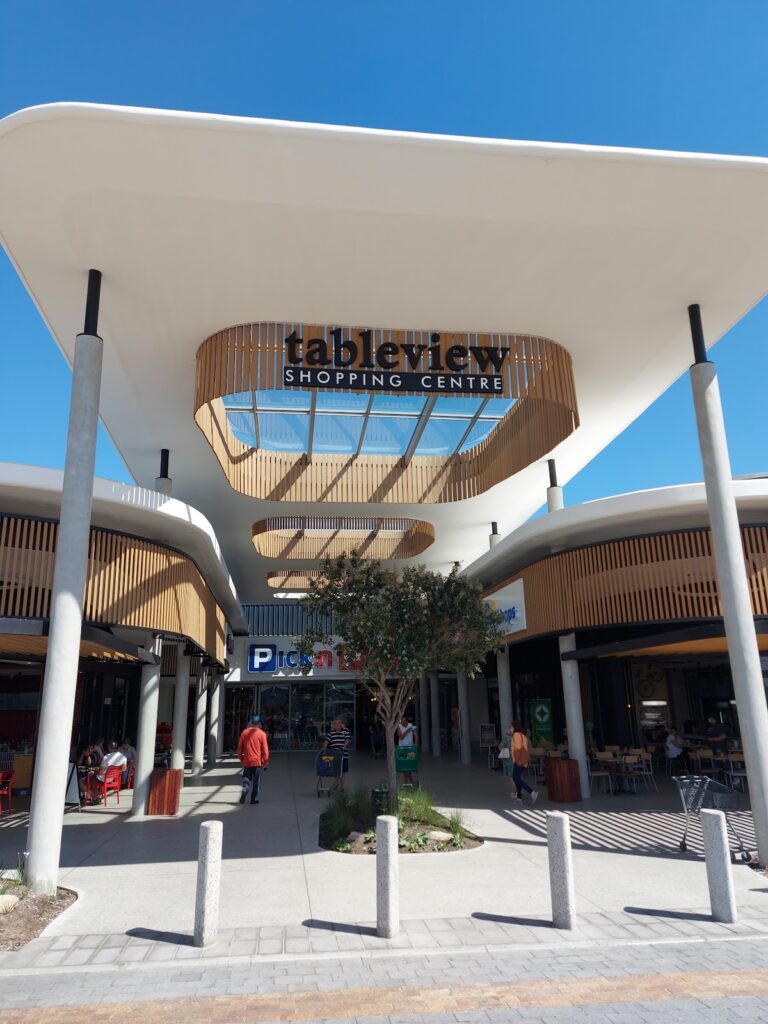
Finding furniture that holds up in the Blouberg and Table View area requires looking beyond the glossy showroom windows. Most of your options sit along the main arterial routes like Blaauwberg Road or near the shopping hubs in Table View. These stores offer a range of styles from modern builds to more traditional pieces. You will find established retailers alongside smaller local shops that focus on specific items like mattresses or wooden dining sets.
The larger showrooms often carry a wide variety of stock, but they can be harder to navigate when you are looking for something specific. Smaller outlets in the area might have less display space, yet they often provide more direct contact with people who know their inventory well. It is worth driving the main strips to see what sits on the floor before you commit to a delivery. A piece might look good in a photo, but you need to feel the weight of the timber and check the stability of the joints.
If you are hunting for specific items like bedding or mattresses, certain specialty shops around Table View focus solely on sleep comfort. These stores often carry products that meet SABS flammability standards, which is a vital check for any new purchase. When visiting these shops, ask about the durability of the materials and how they handle the salt air common to our coast. A shop that can tell you exactly how a frame is constructed is worth more than one that only talks about the fabric colour.
For those looking at second hand or trade goods, keep an eye on the registered dealers operating in the Blouberg area. These traders must follow specific registration laws under the Second Hand Goods Act. Checking these local sources can lead to finding solid, older furniture that simply needs a bit of care to last another decade. Always look for the substance behind the sale.
How do I choose between budget and premium retailers?
Choosing between a budget retailer and a premium showroom is a matter of looking at the bones of the piece. Budget stores often provide quick solutions for immediate needs like a guest bed or a simple coffee table. These items are frequently made from engineered woods or lighter materials that serve well in low use environments. They work if you do not expect them to withstand heavy daily wear or the moisture of a coastal home.
Premium retailers generally focus on more substantial construction and higher grade finishes. You will often find solid timber frames and denser fabrics that can handle the salt air and frequent cleaning better than cheaper alternatives. The initial cost is higher, but the goal is to buy something once rather than replacing it every few years. A heavy dining table with well made joints stays stable long after a budget version has begun to wobble.
When you look at a budget option, check the hardware and the edges carefully. Cheap laminate can peel away from the moisture in the air if the seals are not tight. Look for how the pieces connect, as flimsy cam locks or thin screws are signs of a short lifespan. If a piece feels light and hollow, it is likely built for the photo rather than for use.
Premium options allow you to ask more technical questions about materials and standards. You can verify if mattresses meet SABS flammability requirements or if the wood has been treated for durability. It is worth paying the extra for a piece where the salesperson knows the weight of the frame and the density of the foam. The best way to decide is to test the stability yourself. If it holds firm under pressure, it is usually worth the investment.
What should I check regarding mattress and bedding standards?
A mattress is a large purchase that stays in your home for years, so you must look past the softness of the surface. The most critical check involves looking for SABS flammability standards. These regulations ensure the materials used in the padding and covers are tested to resist ignition. A mattress without these clear safety markers is a risk you should not take in a family home.
Check the labels for density and construction details rather than just trusting a salesperson's word. High quality foam or spring units should have information regarding their durability and resistance to sagging. If a shop cannot provide documentation on how the mattress meets national safety requirements, it is better to look elsewhere. You want a product that has been tested against fire risks and structural failure.
Bedding materials like sheets and protectors also need scrutiny for longevity. Look for fabrics that can withstand frequent washing without thinning or losing their shape. In our coastal climate, moisture can settle into fibres, so choosing breathable, high quality cotton or treated blends helps prevent mould. Avoid thin, overly processed fabrics that feel smooth but lack the weight of a durable weave.
When you are finished with an old mattress, do not simply leave it on the kerb. Look for local recycling routes or responsible disposal methods that handle the foam and metal components properly. A good retailer will often advise on how to manage the end of a product's life. Proper disposal keeps our community clean and ensures that heavy materials do not end up in places they do not belong.
What are my rights if furniture arrives defective?
If a piece of furniture arrives with a crack, a broken leg, or a failed seam, you have clear legal protections under the Consumer Protection Act. You are not stuck with a defective item just because it has been delivered to your home. The law allows for remedies when goods fail to meet the standard of quality and safety that a reasonable person would expect.
Your first step is to inspect everything immediately upon delivery. Do not wait a week to find a hidden flaw in a dining table or a tear in a sofa. If you find a defect, notify the retailer right away. You have the right to demand that the supplier repair the item, replace it with an identical functional version, or provide a full refund of the purchase price.
If the retailer refuses to honour these rights or ignores your claim, you can escalate the matter. The Consumer Goods and Services Ombud is the body designed to handle these disputes. They act as a mediator to resolve complaints regarding defective products without the need for expensive legal battles. It is a practical way to ensure that what you paid for actually meets the promised standard.
Keep all your paperwork, including delivery notes, invoices, and photographs of the damage. A clear record of when the item arrived and how it looked is your best tool in a dispute. If the defect is structural or relates to safety, such as failing flammability standards on a mattress, you should be even more firm in your demand for a resolution. A piece of furniture that is not fit for purpose is simply a waste of your money.
How does the Consumer Protection Act apply to my purchase?
The Consumer Protection Act acts as your shield when a transaction goes wrong. It applies to almost every purchase of furniture or bedding made from a supplier in South Africa. The law ensures that the goods you buy are of good quality, in good working order, and free of any defects. If a sofa is sold with a hidden structural flaw, the Act provides the framework for your remedy.
One key area involves the disclosure of information in credit agreements. If you are using lay-by or a credit facility to purchase your furniture, the retailer must follow strict rules. Every agreement must clearly disclose the cost of credit, the interest rate, and any additional fees involved. You should be able to see exactly what you are paying for before you sign anything. A transparent contract prevents surprises when the final payment is due.
The Act also covers your rights regarding the way goods are advertised and sold. If a shop promises a specific type of durable wood or a particular foam density, they must deliver that exact standard. You have the right to receive goods that match the description provided at the point of sale. If the item arrives and does not meet those promised specifications, it is a breach of your consumer rights.
Understanding these protections helps you avoid being pressured into bad deals. It is about ensuring that the value you pay for is the value you actually receive in your home. When you know the rules regarding repairs, replacements, and refunds, you can shop with more confidence. A well informed buyer is much harder to cheat than one who relies only on a salesperson's smile.
Conclusion
Buying furniture and bedding requires a careful eye for quality and an understanding of your legal protections. You can rely on the Consumer Protection Act to secure repairs, replacements, or refunds when goods arrive defective or fail to meet promised standards. Always check your credit agreements for transparency and ensure all items meet safety requirements like flammability standards.
Checking your items at delivery and keeping clear records of your purchase is the best way to protect your investment. Whether you are using lay-by or paying upfront, knowing your rights helps you avoid wasting money on things that will not last. A solid purchase is built on honest information and a thorough inspection before the transaction is finished.
Frequently asked questions
Where can I find furniture shops in the Blouberg and Table View area?
Most furniture options are located along main arterial routes like Blaauwableg Road or near major shopping hubs in Table View. You will find a mix of large showrooms with wide stock varieties and smaller local shops that specialise in specific items like mattresses or wooden dining sets.
What should I look for when buying a mattress in Cape Town?
You should look beyond surface softness and check for SABS flammability standards to ensure safety. It is also important to verify the density of the foam or spring units and choose breathable materials, like high quality cotton, to help prevent mould in our coastal climate.
What are my rights if my new furniture arrives damaged?
Under the Consumer Protection Act, you have the right to a repair, replacement, or full refund if goods are defective. You should inspect all items immediately upon delivery and notify the retailer right away; if they refuse to help, you can contact the Consumer Goods and Services Ombud.
Is it better to buy budget or premium furniture for a coastal home?
Premium retailers focus on substantial construction, such as solid timber frames and dense fabrics, which handle salt air and frequent cleaning better. Budget options often use engineered woods that may peel or fail due to moisture in the air, making them less suitable for heavy daily wear.