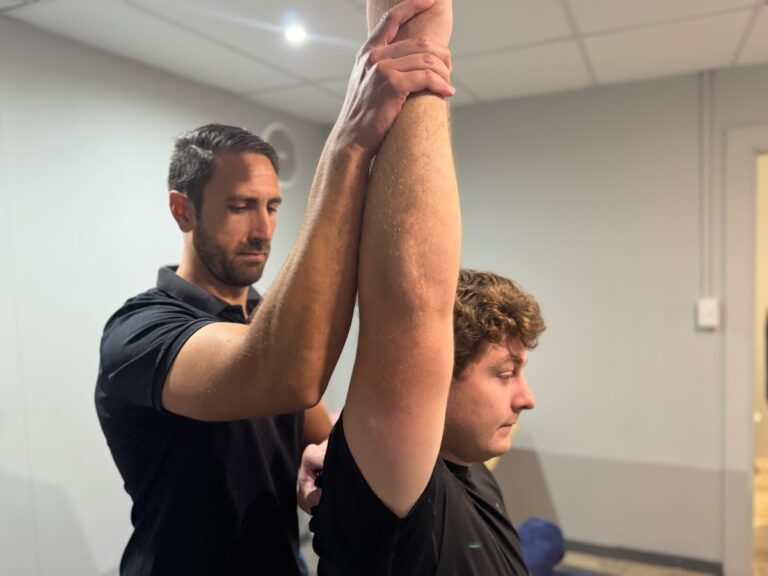

Finding the right physical therapy shouldn't involve driving all the way into the City Bowl. This guide helps you navigate your options for chiropractors and physiotherapists across the Blouberg, Table View, and West Coast corridor to save you time and unnecessary travel.
What is the difference between a physiotherapist and a chiropractor?
It is easy to feel a bit lost when you are trying to figure out which specialist to book for a nagging ache or a sudden injury. You might see a physiotherapist, a chiropractor, and even a biokineticist all listed in the same area, and it can feel like a lot of guesswork. While they all work towards helping you move better and live with less pain, their actual methods and focus areas are quite different.
A physiotherapist generally focuses on restoring movement and function after an injury or surgery. They use a mix of manual therapy, specific exercises, and sometimes even modalities like ultrasound to help your muscles and joints recover. Their approach is often very much about the long term rehabilitation process, helping you get back to your normal daily routine without that constant stiffness.
Chiropractors tend to focus more specifically on the relationship between your structure, particularly the spine, and your nervous system. You will often hear them mentioned in the context of spinal adjustments or manipulations to improve alignment and reduce nerve interference. If you are looking for someone to address specific spinal tension or joint mobility through targeted adjustments, a clinic like Durbanville Chiropractic and Homeopathic Clinic might be your first stop.
Then you have biokineticists, who sit in a slightly different space by focusing heavily on movement science and exercise prescription. They are experts at using physical activity to correct muscular imbalances and prevent future injuries from happening in the first place. If you are working through a specific rehabilitation programme, specialists like Cape Kinetics or Kim Decina Biokineticist can help you build that strength and stability. It is really about finding which professional matches the specific way your body is struggling right now so you do not waste time on the wrong appointment.
Where can I find practitioners near Table View and Blouberg?
Finding a specialist close to home is all about avoiding that unnecessary loop around the Blouberg area when you are already feeling stiff or sore. If you are living in Table View, you might start by looking at Pain Blouberg, which is right in the heart of the suburb and focuses on targeted relief. It is much easier to manage an appointment when you do not have to factor in heavy traffic on Table Beach Road.
For those of you closer to Sunningdale or Parklands, there are several great options that fit neatly into a morning errand run. Cape Kinetics in Sunningdale is a very convenient choice for movement science and exercise based rehab. You can also find Kim Decina Biokineticist in Parklands, which is perfect if you want to avoid driving all the way into the city. If your needs take you slightly further towards Melkbosstrand, Nicolas Danieli Biokineticist is another local professional worth checking out.
If you do not mind a short drive into Durbanville, there is a wider variety of multidisciplinary care available there. You could visit the Durbanville Chiropractic and Homeopathic Clinic for spinal adjustments, or perhaps see Dr Steven Peter at Durbanville Health and Spine. The Durbanville Natural Health Centre also offers a good range of support if you prefer a more holistic approach. Even Nadus Nieuwoudt Biokineticist is located right in that area, making it easy to group your appointments together.
Sometimes you might find yourself needing to head towards Edgemead or even further into the city for specific care. Edgemead Chiropractic and Wellness Clinic is a solid option if you are already running errands in that direction. If you happen to be working near Sea Point or Green Point, you could look at Ashleigh Gillis Biokineticist at Bio Point or The Back Doctor. It is always best to check which one sits on your regular route so you can get the treatment you need without letting your whole afternoon slip away.
How do I check if a practitioner is properly registered?
Before you book that first session, it is worth taking two minutes to make sure the person treating you is properly registered. You do not want to find out after your appointment that they are not officially recognised by the necessary boards. It is a small bit of admin that gives you peace of mind, so do not skip it just because you are in a rush.
If you are seeing a physiotherapist or a chiropractor, you should check their status with the Health Professions Council of South Africa, which is known as the HPCSA. Their online portal allows you to search for a practitioner by name to confirm they are currently registered and in good standing. It is a quick search that ensures they have the legal authority to practice and provide the care you are paying for.
For biokineticists, the process is slightly different because they fall under the Allied Health Professions Council of South Africa, or the AHPCSA. You can use their registry to verify that the professional is officially recognised and meeting all their professional requirements. Checking this online saves you from any awkwardness later on, especially when it comes to your medical aid claims.
A good way to keep things simple is to look for their registration number on their practice stationery or website. Most professionals are very happy to provide this information because they know it is standard practice. If you ever feel unsure, just ask them directly during your first consultation. It is much better to spend a moment verifying the details now than to deal with the headache of an invalid claim from your medical scheme later.
What should I ask before booking my first appointment?
Once you have verified that the practitioner is registered, you need to sort out the practical side of things before you actually sit in the waiting room. The first thing to ask about is their BHF practice number. You will need this specific number if you want them to submit claims directly to your medical scheme on your behalf. It is much easier to have the paperwork handled at the source than to spend your Sunday evening trying to figure out why a claim was rejected.
You should also clarify how they handle payments and what their cancellation policy looks like. Some clinics require payment upfront, while others are happy to process it after the session. Ask them if they accept your specific medical aid or if you will need to pay the full amount and claim back yourself. Knowing this ahead of time prevents any unpleasant surprises when you are standing at the reception desk with your card in hand.
It is also worth asking if they offer any specialised services that might be relevant to your injury, such as dry needling or specific rehabilitation equipment. If you have a particular way you like to manage your recovery, seeing if their expertise aligns with your needs can save you from booking several appointments that do not quite hit the mark. A quick question about their approach to treatment helps ensure the first visit is actually productive.
Finally, check if they have any specific requirements for your first appointment, such as wearing certain clothing or bringing previous medical reports. There is nothing worse than arriving prepared only to realise you cannot perform the necessary movements because of what you are wearing. Getting these small details sorted in one quick phone call means you can just show up, get the treatment, and get on with your day.
How can I manage medical aid claims for these sessions?
Managing your medical aid claims is all about having the right paperwork ready before you even leave your house. If your practitioner has a valid BHF practice number, they can often submit the claim directly to your medical scheme for you. This is the smoothest way to handle it because it removes the need for you to track every single session and wait for reimbursements. It keeps your bank account predictable and saves you from that frustrating moment when a claim shows up as unpaid on your monthly statement.
If the clinic does not submit directly, you will likely be paying the practitioner upfront and then claiming the money back yourself. In this case, you must ensure you receive a proper tax invoice after every session. This invoice needs to clearly show the practitioner's name, their professional registration number, the date of service, and the specific BHF practice number. Without these exact details, your medical scheme will almost certainly reject the claim, which means you are stuck with the full cost and an extra bit of admin to fix.
It is also a good idea to check your medical aid benefits before you commit to a long course of treatment. Some plans have specific limits on how many physiotherapy or chiropractic sessions you can have per year, while others might only cover certain types of rehabilitation. A quick call to your scheme or a look at your online portal can tell you if you are about to hit a cap. Knowing your remaining balance prevents any shock when the bills start arriving at the end of the month.
Keep a simple folder or a digital scan of every invoice and proof of payment in one place. If there is ever a dispute with your medical aid, having that paper trail ready makes the resolution much faster. You do not want to be hunting through old emails or calling clinics for duplicate receipts when you are trying to settle your monthly budget. Get the paperwork sorted as soon as the session ends so you can move on with your day.
Conclusion
Setting up your rehabilitation treatment correctly starts with verifying that your practitioner is properly registered and has a valid BHF practice number. Once you have confirmed their credentials, you can manage the financial side by checking your medical aid limits and ensuring all invoices contain the necessary details for successful claims.
Taking these small steps to organise your paperwork and ask the right questions upfront prevents unnecessary admin headaches later. It ensures that when you finally sit down for your session, you can focus entirely on your recovery rather than worrying about rejected claims or unexpected costs.