
Article re-cap
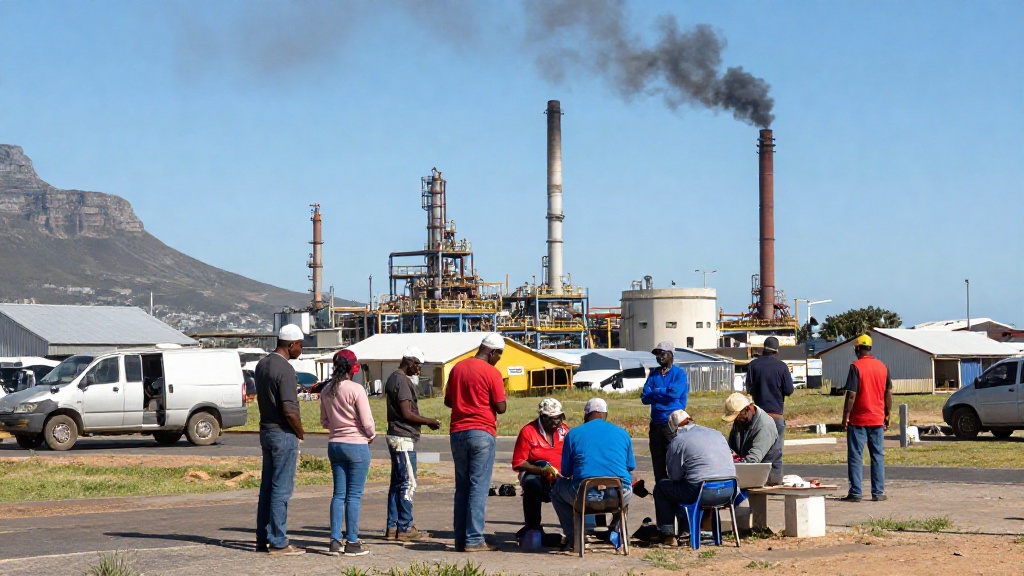
- Residents near the Astron Energy refinery in Bloubergstrand reported headaches, burning eyes and throat irritation following a large flare on June 13th.
- A significant flare was observed across parts of Cape Town’s Blouberg area, including Table View, Parklands, Milnerton and as far as Melkbosstrand.
- Astron Energy explained that the flare was caused by an upset in a process unit.
Residents near the Astron Energy refinery in Bloubergstrand reported headaches, burning eyes and throat irritation following a large flare on June 13th. The incident prompted calls for improved communication from the company.
What Happened During the Refinery Flare?
A significant flare was observed across parts of Cape Town’s Blouberg area, including Table View, Parklands, Milnerton and as far as Melkbosstrand. According to the report, residents described a strong paraffin-like smell accompanying the event.
Symptoms Reported by Residents
Several individuals reported experiencing symptoms such as burning eyes, headaches, and throat irritation. Some residents recalled previous unusual activity at the refinery, including memories of the 2020 explosion and fire.
Astron Energy’s Explanation
Astron Energy explained that the flare was caused by an upset in a process unit. They stated safety systems were activated, leading to the controlled burning off of gases through the flare system.
The company confirmed that the flare is part of standard safety procedures to protect equipment during operational disruptions and emergencies. Astron added that it can result in noise and odours.
Ongoing Community Concerns
Longstanding concerns regarding air quality, odours, noise levels, and potential health effects from the refinery have been repeatedly raised by residents.
Frequently asked questions
What exactly did Astron Energy do that caused the flare?
The flare occurred due to an upset in a process unit at the Astron Energy refinery. This disruption triggered the activation of safety systems, resulting in the controlled burning off of gases through the flare system as part of standard operational procedures.
Which areas were affected by the flare and its associated smells?
The flare was visible across a wide area including Bloubergstrand, Table View, Parklands, Milnerton and extended as far as Melkbosstrand. Residents reported a strong paraffin-like smell accompanying the event, raising concerns about air quality in these communities.
Why do refineries use flares like this?
Refineries utilise flares as part of standard safety procedures to protect equipment during operational disruptions and emergencies. The controlled burning off of gases prevents damage to machinery and safeguards against potentially hazardous situations, though it can result in noise and odours.
Were there any previous incidents at the refinery that residents are concerned about?
Yes, some residents recalled previous unusual activity at the refinery, including memories of the 2020 explosion and fire. This history has fuelled ongoing concerns regarding potential health effects from the facility’s operations.
What symptoms did people report experiencing?
Residents reported a range of symptoms including burning eyes, headaches, and throat irritation following the flare event. These symptoms highlight the potential impact of refinery activity on local residents' health and wellbeing.
Are there ongoing concerns about the refinery’s impact?
Longstanding concerns regarding air quality, odours, noise levels, and potential health effects from the refinery have been repeatedly raised by residents in Bloubergstrand and surrounding areas, demonstrating a persistent issue.
Source: ewn.co.za